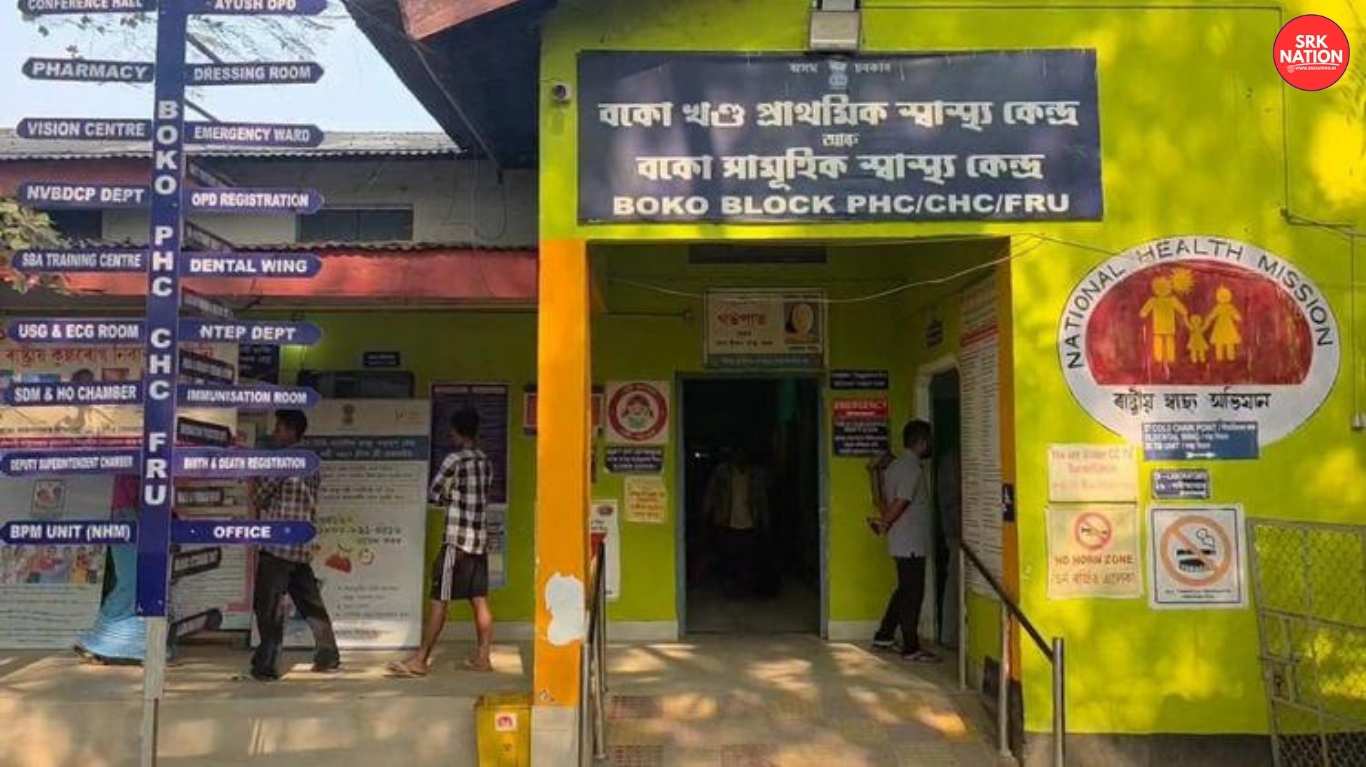






In a dramatic escalation of political tensions in Assam, Congress MP Rakibul Hussain has leveled serious allegations against Chief Minister Himanta Biswa Sarma, accusing him of using his recent visit to Golakganj in Dhubri district to revive a dormant syndicate network. The accusation, made during a press interaction and later amplified through social media, has triggered a wave of political reactions, media scrutiny, and public debate across the state.
Background: The Syndicate Allegation
Rakibul Hussain, a seasoned politician and Member of Parliament from Dhubri, claimed that CM Himanta’s visit to Golakganj was not merely a developmental or political outreach but a covert attempt to re-establish a syndicate system that allegedly controls illegal trade and transport operations in the region. According to Hussain, this network had been dismantled during previous Congress regimes but is now being reactivated under the current BJP-led government.
He stated, “The Chief Minister’s presence in Golakganj was not incidental. It was a calculated move to breathe life into a syndicate that thrives on corruption, manipulation, and exploitation of local resources.”
Political Context and Recent Events
The timing of the allegation coincides with heightened political activity in Assam, especially in the run-up to the bypolls in Samaguri, where Hussain’s son, Tanzil Hussain, is contesting. The region has witnessed a series of confrontations, including a violent attack on Rakibul Hussain and his security personnel in Nagaon district, which he also attributed to political vendetta orchestrated by the ruling party.
The incident, which occurred in Rupahihat, involved masked assailants who ambushed Hussain and his son while they were en route to a party meeting. The attack was caught on video and circulated widely, leading to public outrage and demands for accountability. Assam Police later identified ten suspects in connection with the assault, but Hussain maintained that the attack was politically motivated.
Alleged Syndicate Operations in Dhubri
Dhubri district, located in western Assam, has long been a strategic region due to its proximity to the Bangladesh border and its role in cross-border trade. Syndicate operations in the area have historically involved control over transportation routes, smuggling of goods, and manipulation of permits and licenses.
Hussain alleged that the syndicate network includes local contractors, transport operators, and political intermediaries who benefit from monopolistic control over logistics and trade. He claimed that CM Himanta’s visit was aimed at consolidating these interests under a new political umbrella, thereby ensuring loyalty and financial support for the BJP.
CM Himanta’s Response
Chief Minister Himanta Biswa Sarma has denied the allegations, calling them baseless and politically motivated. In a public statement, he said, “Rakibul Hussain is trying to divert attention from his own controversies. My visit to Golakganj was part of a broader developmental agenda, and I categorically reject any insinuation of syndicate revival.”
Sarma also pointed to the ongoing investigation into Hussain’s alleged misuse of ministerial powers during the Congress regime, particularly in job allocations. He directed the police to probe how Hussain could have influenced employment decisions and whether any irregularities occurred.
Public Reaction and Media Coverage
The allegations have sparked intense debate across Assam, with media outlets dissecting the claims and counterclaims. Public opinion remains divided, with some viewing Hussain’s statements as a courageous stand against corruption, while others see it as a strategic move to gain sympathy ahead of elections.
Local residents in Dhubri have expressed concerns about the resurgence of syndicate activities, citing increased checkpoints, inflated transport costs, and reduced transparency in trade operations. Traders and transporters have reported pressure from intermediaries demanding unofficial payments, which they believe signals a return to syndicate-style governance.
Comparative Analysis of Political Visits and Syndicate Activity
| Political Leader | Region Visited | Alleged Syndicate Activity | Public Reaction | Official Response |
|---|---|---|---|---|
| Himanta Biswa Sarma | Golakganj, Dhubri | Alleged revival of transport syndicate | Mixed: concern and skepticism | Denial, developmental justification |
| Rakibul Hussain | Samaguri, Nagaon | Alleged misuse of ministerial powers | Sympathy post-attack | Investigation ordered |
Timeline of Key Events
| Date | Event |
|---|---|
| Feb 20, 2025 | Rakibul Hussain attacked in Rupahihat |
| Feb 21, 2025 | CM Himanta announces identification of suspects |
| Feb 22, 2025 | Rakibul Hussain alleges syndicate revival in Golakganj |
| Feb 23, 2025 | CM Himanta denies allegations, calls for probe into Hussain’s past |
| Feb 24, 2025 | Public protests in Dhubri over rising transport costs |
Implications for Assam’s Political Landscape
The controversy has broader implications for Assam’s political dynamics. It highlights the persistent issue of syndicate control in border districts and the role of political patronage in sustaining such networks. It also underscores the fragility of law and order in regions where political rivalries often escalate into violence.
For the Congress party, Hussain’s allegations serve as a rallying point to question the BJP’s governance model. For the BJP, the challenge lies in dispelling the narrative of corruption and reinforcing its developmental credentials.
Legal and Administrative Developments
Following the allegations, civil society groups have called for an independent inquiry into syndicate operations in Dhubri. Legal experts have suggested that the state government should appoint a special task force to investigate the claims and ensure transparency in transport and trade regulation.
The Assam Police, under directives from the CM, has intensified surveillance in Dhubri and surrounding areas. Checkpoints have been re-evaluated, and transport permits are being scrutinized to detect anomalies.
Conclusion
Rakibul Hussain’s explosive allegation against CM Himanta Biswa Sarma has reignited concerns about syndicate politics in Assam. While the truth behind the claims remains to be established, the incident has exposed deep fissures in the state’s political fabric and raised urgent questions about governance, accountability, and public trust.
As investigations unfold and political narratives evolve, the people of Assam await clarity and justice. Whether this controversy leads to meaningful reform or remains a footnote in electoral strategy will depend on the actions of both the government and opposition in the coming weeks.
Disclaimer: This article is based on publicly available information and political statements. The views expressed are those of the individuals involved and do not reflect any endorsement or verification by the publisher. Readers are advised to follow official channels for updates and legal outcomes.