








Health authorities in Bangladesh are grappling with a massive measles epidemic that has surged past 80,000 reported cases, placing immense pressure on the national healthcare infrastructure. The crisis, which has intensified throughout the current year, has resulted in at least 610 confirmed deaths, according to recent reports from regional health monitoring agencies.
Context and Historical Trends
Measles remains a highly contagious viral disease that poses a significant threat to public health, particularly in regions with gaps in routine immunization coverage. While Bangladesh had previously made notable strides in reducing childhood mortality through vaccination programs, the recent spike indicates a resurgence that experts attribute to disrupted healthcare delivery and declining vaccine uptake.
The Human Toll and Economic Burden
The human cost of the outbreak continues to mount, with recent reports confirming additional pediatric fatalities in districts such as Sylhet. Families are struggling not only with the emotional trauma of losing children but also with the mounting financial burden of medical care.
Reports indicate that treatment costs have become a significant barrier for many low-income households. As families seek care in both public and private facilities, the out-of-pocket expenses for medications and hospital stays are pushing many into further economic instability.
Systemic Challenges in Healthcare Delivery
Public health experts point to a combination of factors fueling the current spread. In addition to vaccination gaps, the rapid transmission of the virus has strained hospital resources, leading to overcrowding and challenges in isolating infected patients effectively.
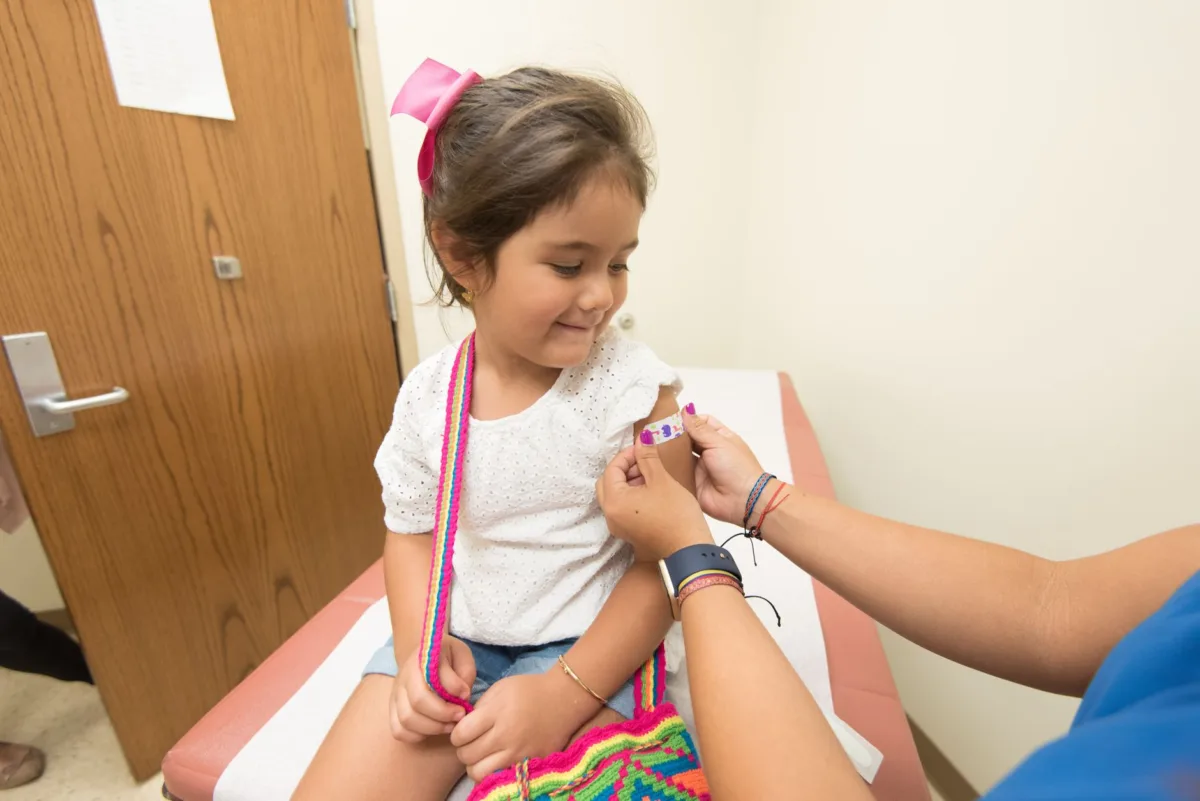
Data suggests that the most vulnerable populations are children under the age of five who have not received the full two-dose vaccine regimen. Mobile clinics and emergency response teams are currently being deployed to remote areas to track outbreaks and provide catch-up vaccinations to underserved communities.
Implications for Public Health Policy
The current epidemic serves as a stark reminder of the fragile nature of herd immunity. If vaccination rates do not improve, the potential for further outbreaks remains high, threatening to undo years of progress in child survival metrics.
Looking ahead, the focus must shift toward strengthening the cold chain logistics required to transport vaccines to rural areas. International health organizations and local authorities are expected to prioritize mass immunization campaigns in the coming months to curb transmission. Observers should watch for new government-led outreach initiatives and potential increases in health budget allocations intended to subsidize treatment for affected families.