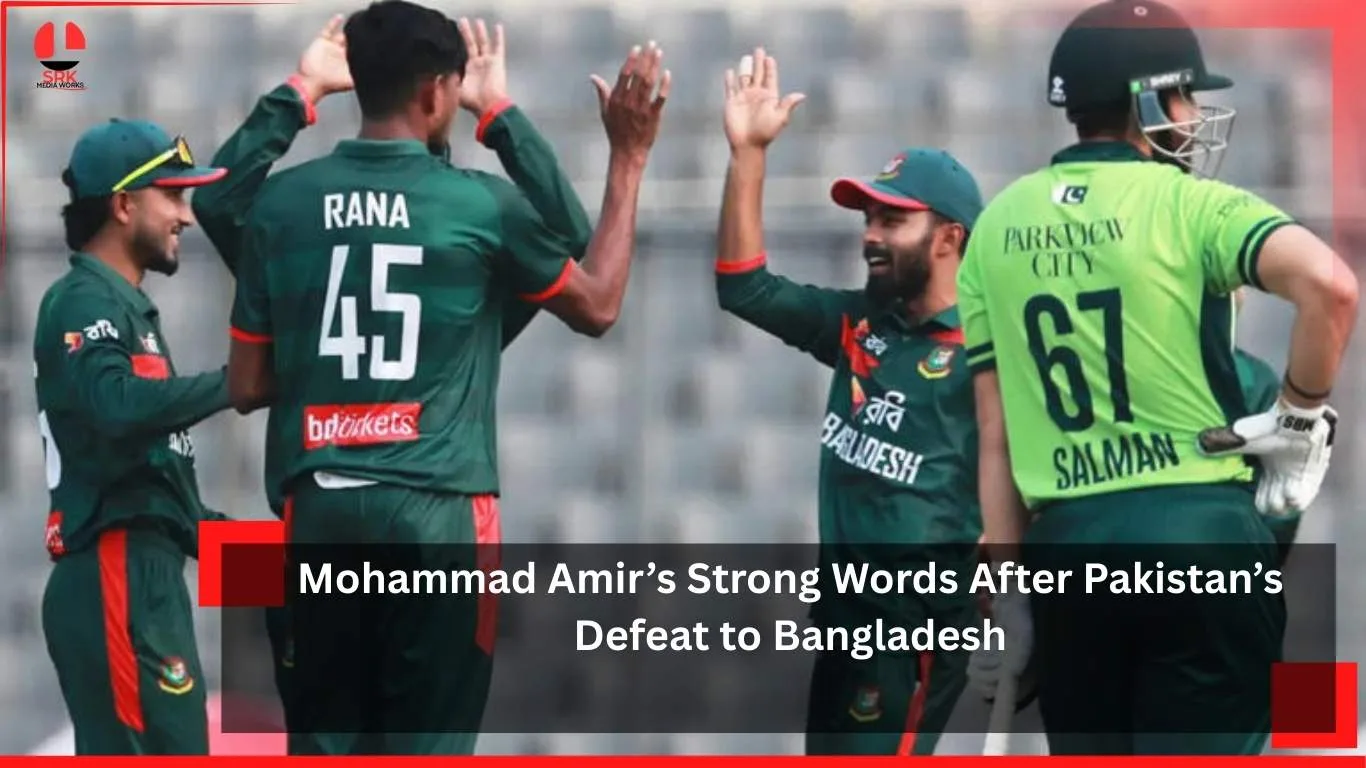




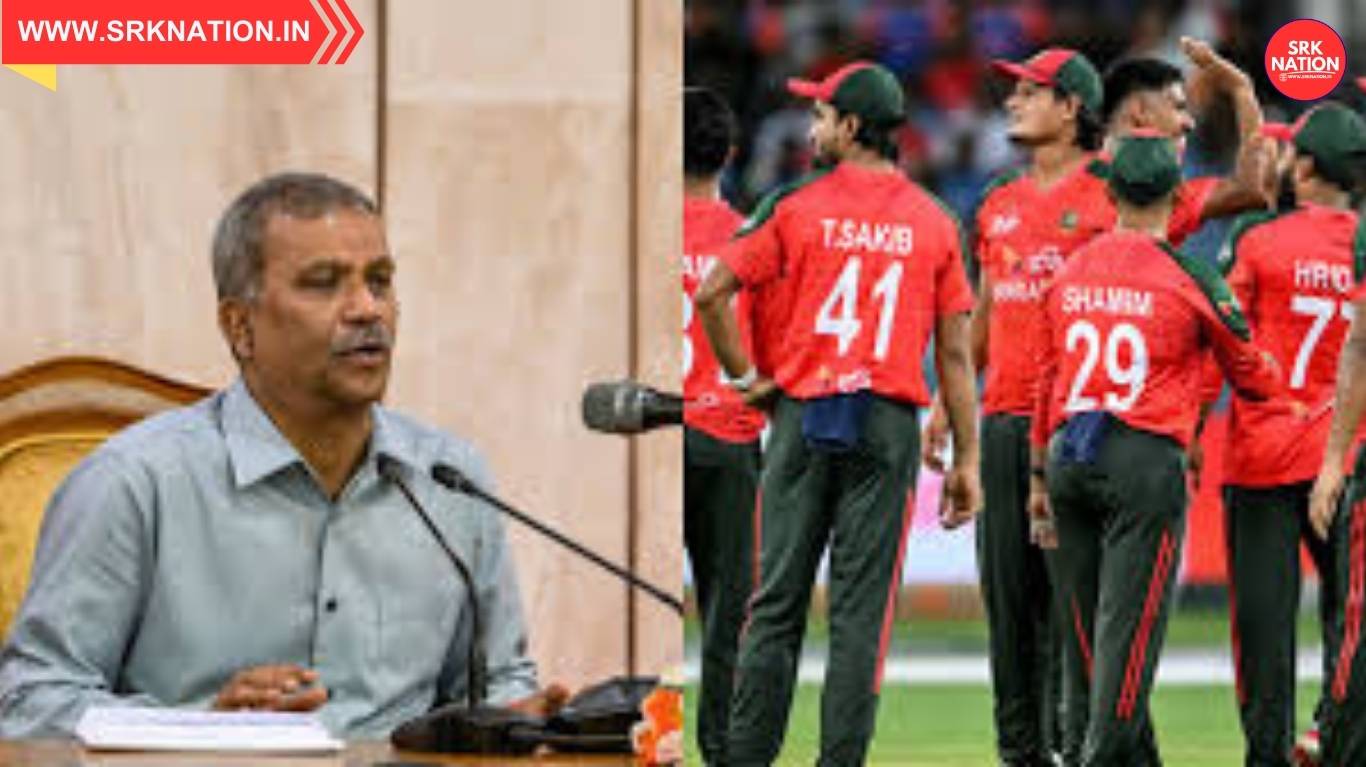
The Bangladesh cricket fraternity is grappling with disappointment and frustration after the team’s early exit from the T20 World Cup. A controversial statement from a sports adviser, who blamed both the players and the Bangladesh Cricket Board (BCB), has sparked heated debates. The players, feeling “helpless,” have voiced their concerns about the lack of support and accountability within the system.
Background of the T20 World Cup Ouster
Bangladesh entered the tournament with high hopes, backed by passionate fans and a history of producing competitive performances in global events. However, their campaign ended prematurely, leaving supporters disheartened.
- The team struggled with batting collapses in crucial matches.
- Bowling lacked consistency, failing to defend modest totals.
- Fielding errors compounded the team’s woes, leading to missed opportunities.
The disappointment was magnified when the sports adviser publicly criticized the players and the BCB, suggesting that both were responsible for the failure.
Players’ Reaction: “We Have No One”
Bangladesh players expressed their helplessness in the aftermath of the adviser’s remarks.
- Senior players felt demoralized by the lack of constructive support.
- Younger players admitted they were confused about their roles and responsibilities.
- The statement “we have no one” reflects a deeper crisis of trust between players and administrators.
The Role of the Bangladesh Cricket Board (BCB)
The BCB has long faced criticism for its management style and decision-making processes.
- Frequent changes in coaching staff have disrupted team stability.
- Selection controversies have often overshadowed performance discussions.
- Players argue that the board has failed to provide a clear roadmap for success.
Adviser’s Criticism and Its Impact
The adviser’s comments blaming both players and the BCB have intensified the debate.
- While some believe accountability is necessary, others argue public criticism demoralizes the team.
- The timing of the remarks, immediately after the World Cup exit, has been questioned.
- Analysts suggest that such statements highlight deeper governance issues in Bangladesh cricket.
Comparative Performance in T20 World Cups
| Year | Stage Reached | Key Issues |
|---|---|---|
| 2014 | Super 10 | Inexperience, batting collapses |
| 2016 | Group Stage | Close losses, lack of finishing |
| 2021 | Group Stage | Poor batting, inconsistent bowling |
| 2024 | Group Stage | Fielding errors, lack of planning |
This table shows a recurring pattern of early exits, pointing to systemic issues rather than isolated failures.
Challenges Faced by Bangladesh Cricket
Bangladesh cricket’s struggles are not limited to one tournament.
- Infrastructure: Despite passionate fans, facilities remain underdeveloped compared to other cricketing nations.
- Talent Development: Promising players often fail to transition successfully to international cricket.
- Leadership: Frequent captaincy changes have hindered continuity.
- Mental Strength: Players often falter under pressure in high-stakes matches.
Players vs. Administration: A Growing Divide
The current controversy highlights a widening gap between players and administrators.
- Players feel unsupported and undervalued.
- Administrators emphasize discipline and accountability but fail to provide solutions.
- The lack of communication has created mistrust, affecting team morale.
Fan Reaction
Bangladesh fans, known for their passionate support, have expressed disappointment and anger.
- Many blame the BCB for failing to nurture talent.
- Others criticize players for not living up to expectations.
- Social media has been flooded with debates, reflecting the nation’s emotional investment in cricket.
Lessons for the Future
Bangladesh cricket must learn from this episode to rebuild trust and performance.
- Clear Strategy: Establish long-term plans for player development.
- Stable Leadership: Avoid frequent changes in coaching and captaincy.
- Mental Conditioning: Invest in sports psychology to strengthen players’ resilience.
- Transparent Communication: Ensure players and administrators work together with mutual respect.
Comparative Analysis of Cricket Boards
| Country | Board Strength | Player Support | Performance Consistency |
|---|---|---|---|
| India | Strong, well-funded | Extensive support systems | Consistent top-level performances |
| Australia | Structured, disciplined | Strong domestic pipeline | Regular tournament success |
| Bangladesh | Politically influenced | Limited support, frequent changes | Inconsistent, early exits |
This comparison highlights the need for Bangladesh to strengthen its cricketing infrastructure and governance.
Conclusion
The Bangladesh cricket team’s T20 World Cup exit has exposed deep-rooted issues within the system. The players’ helplessness, combined with the adviser’s criticism, underscores the urgent need for reform. For Bangladesh to emerge as a consistent force in world cricket, both players and administrators must work together, focusing on long-term development rather than short-term blame.
The phrase “we have no one” is not just a cry of frustration but a call for accountability, support, and unity. Bangladesh cricket stands at a crossroads, and the choices made now will determine its future trajectory.
Disclaimer
This article is based on publicly available information and journalistic analysis of Bangladesh cricket’s T20 World Cup exit. It is intended for informational and analytical purposes only. The content does not represent insider details or personal accounts. Readers should view this as a balanced overview of the situation in Bangladesh cricket.