





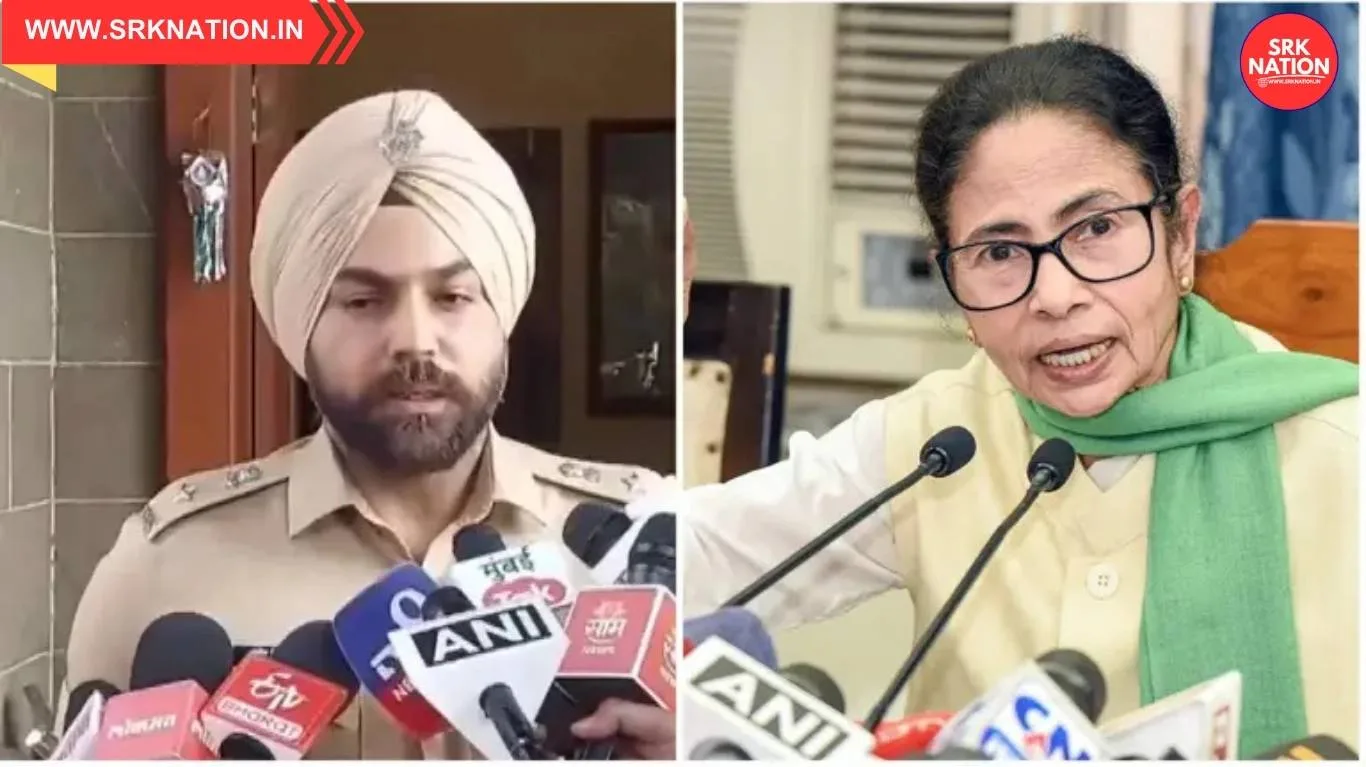
The killing of a Bengal migrant in Pune has become a focal point of national discussion, drawing political reactions and public concern. Initially described as a “hate crime” by West Bengal Chief Minister Mamata Banerjee, the Pune police have firmly rejected this claim, stating that the incident was not linked to community targeting but rather stemmed from personal disputes. This clarification has reshaped the narrative, emphasizing the importance of evidence-based investigation over political speculation.
Incident Overview
- Location: Pune, Maharashtra
- Victim: Migrant worker from West Bengal
- Initial Allegation: Hate crime targeting a specific community
- Police Statement: No evidence of community targeting; motive unrelated to communal bias
The incident quickly gained national attention due to its sensitive nature. Political leaders, activists, and media outlets amplified the story, leading to widespread speculation. Pune police, however, stressed that their investigation revealed no communal angle.
Political Reactions
Mamata Banerjee’s statement alleging a hate crime intensified the debate. She expressed concern over migrant safety and accused authorities of failing to protect vulnerable communities. In contrast, Maharashtra police firmly rejected these claims, stating that the crime was rooted in personal enmity rather than religious or ethnic targeting.
This divergence highlights the tension between political messaging and law enforcement findings. While political leaders often spotlight discrimination to mobilize support, police investigations rely on factual evidence.
Police Clarification
Authorities in Pune provided detailed updates:
- No community targeting involved
- Evidence points to personal dispute
- Suspects identified and questioned
- Investigation ongoing with focus on motive clarity
The police urged the public not to spread misinformation and assured that justice would be delivered based on facts.
Migrant Safety Concerns
The incident reignited discussions about migrant safety in urban centers like Pune. Migrants from states such as West Bengal, Bihar, and Uttar Pradesh often face challenges including:
- Economic vulnerability
- Social isolation
- Limited access to legal support
- Risk of exploitation
While this case may not be a hate crime, it highlights the precarious conditions many migrants endure.
Comparative Analysis of Narratives
| Aspect | Mamata Banerjee’s Claim | Police Statement |
|---|---|---|
| Motive | Hate crime, community targeting | Personal dispute |
| Victim’s Identity | Migrant from Bengal | Migrant from Bengal |
| Broader Implication | Threat to migrant safety | Isolated incident |
| Political Impact | Mobilization of support | Assurance of law and order |
Social Media Reactions
The incident trended across platforms, with hashtags calling for justice and debates over communal harmony. While some users echoed Mamata Banerjee’s concerns, others criticized the politicization of the tragedy. The police clarification helped calm tensions, but discussions about migrant rights remain active.
Broader Context: Migrant Issues in Pune
Pune, a rapidly growing IT and industrial hub, attracts thousands of migrants annually. The city’s diverse population has generally coexisted peacefully, but occasional disputes highlight underlying socio-economic stress.
Key Migrant Challenges in Pune
| Challenge | Impact on Migrants |
|---|---|
| Housing discrimination | Limited access to safe accommodation |
| Job insecurity | Exploitation in informal sectors |
| Cultural differences | Social isolation and misunderstanding |
| Legal awareness | Difficulty accessing justice mechanisms |
Law Enforcement’s Role
Police play a crucial role in maintaining communal harmony. By swiftly ruling out hate crime allegations, Pune police prevented potential escalation. Their proactive communication reassured the public and emphasized the importance of evidence-based conclusions.
Media Responsibility
The incident also raises questions about media responsibility. Sensational reporting can amplify fear and division, while balanced coverage ensures public trust. In this case, initial headlines focused on hate crime allegations, but subsequent clarifications highlighted the importance of fact-checking.
Conclusion
The killing of a Bengal migrant in Pune is undeniably tragic. However, police investigations confirm that it was not a hate crime, contrary to initial political claims. The incident underscores the need for careful distinction between political narratives and factual evidence. It also highlights broader issues of migrant safety, socio-economic vulnerability, and the importance of responsible reporting.
Disclaimer
This article is based on publicly available information and official police statements. It does not intend to promote or dismiss any political viewpoint. The purpose is to provide factual, balanced reporting for readers. Any conclusions drawn are subject to ongoing investigation, and readers are advised to follow official updates for verified information.