

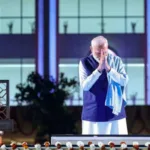


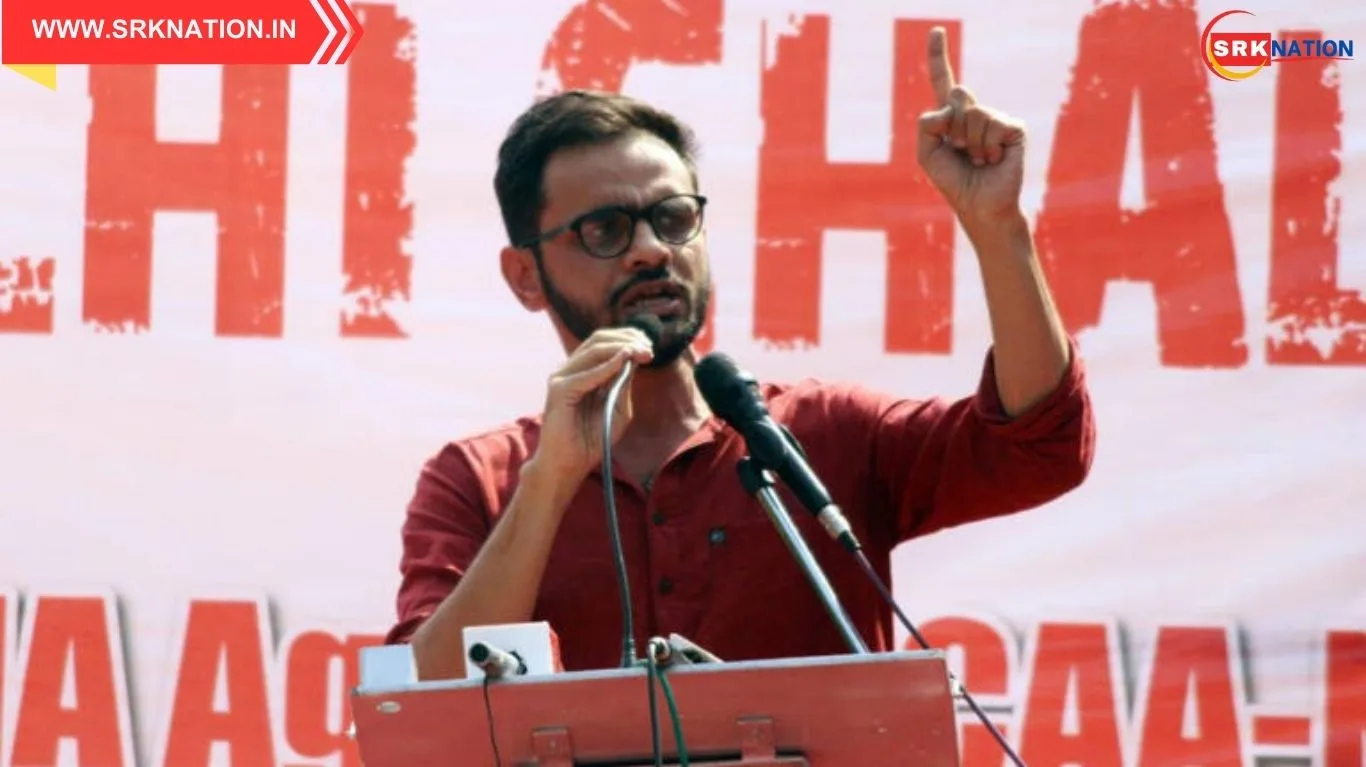
The Supreme Court’s decision to deny bail to activists Umar Khalid and Sharjeel Imam in connection with the Delhi riots case has triggered sharp political reactions. The ruling, which comes after prolonged hearings, has been interpreted by the Bharatiya Janata Party (BJP) as a “lesson” for the Opposition, reinforcing the government’s stance on law, order, and accountability.
Background of the Case
- Umar Khalid and Sharjeel Imam were arrested under charges related to the Delhi riots of 2020, which erupted amid protests against the Citizenship Amendment Act (CAA).
- Both activists have faced allegations of conspiracy and incitement, with charges framed under stringent laws including the Unlawful Activities (Prevention) Act (UAPA).
- The Supreme Court, after reviewing submissions, denied bail, citing the seriousness of charges and the need for trial proceedings to continue.
- The decision has reignited debates on civil liberties, judicial independence, and political accountability.
Key Highlights of the Supreme Court Decision
| Indicator | Details |
|---|---|
| Court | Supreme Court of India |
| Individuals Involved | Umar Khalid, Sharjeel Imam |
| Case Context | Delhi riots 2020, CAA protests |
| Bail Status | Denied |
| Political Reaction | BJP calls it a “lesson” for Opposition |
| Broader Impact | Sparks debate on law, order, and civil liberties |
Implications of SC’s Bail Denial
| Factor | Positive Impact | Challenges | Long-Term Implication |
|---|---|---|---|
| Judicial Authority | Reinforces independence of judiciary | Criticism from civil rights groups | Strengthens trust in judicial process |
| Political Narrative | BJP gains ground in law-and-order discourse | Opposition accuses government of targeting dissent | Shapes electoral debates |
| Public Sentiment | Supporters see justice served | Critics highlight concerns about civil liberties | Polarizes public opinion |
| Legal Framework | Validates use of UAPA in serious cases | Raises questions about misuse of stringent laws | Pushes for legal reforms |
| Governance | Reinforces accountability | Risk of international scrutiny | Positions India’s democracy under global lens |
BJP’s Reaction
- The BJP hailed the Supreme Court’s decision as a validation of its stance on maintaining law and order.
- Party leaders described the ruling as a “lesson” for the Opposition, accusing rival parties of defending individuals facing serious charges.
- The narrative aligns with BJP’s broader political messaging, emphasizing national security and accountability.
Opposition’s Response
| Attribute | Details |
|---|---|
| Parties Involved | Congress, Left, regional outfits |
| Reaction | Criticized denial of bail, raised concerns about civil liberties |
| Narrative | Accused government of using laws to suppress dissent |
| Broader Impact | Reinforces polarization in political discourse |
Opposition parties expressed disappointment, arguing that the denial of bail reflects shrinking space for dissent in India. They accused the government of weaponizing laws against activists and critics.
Expert Opinions
- Legal Analysts: Stress that bail denial does not equate to conviction, but reflects judicial caution.
- Civil Rights Groups: Highlight concerns about prolonged incarceration under stringent laws.
- Political Commentators: Note that the ruling strengthens BJP’s narrative while challenging Opposition strategies.
- Citizens: Express mixed reactions, with some supporting the decision and others questioning its implications for democracy.
Challenges Ahead
- Civil Liberties Debate: Addressing concerns about dissent and freedom of speech.
- Legal Scrutiny: Ensuring UAPA and similar laws are not misused.
- Political Polarization: Managing heightened tensions between ruling and opposition parties.
- Global Perception: Responding to international concerns about India’s democratic credentials.
- Judicial Backlog: Ensuring timely trials to prevent prolonged incarceration.
Opportunities for Governance
- Strengthening Judicial Processes: Reinforce transparency and accountability in trials.
- Legal Reforms: Review stringent laws to balance security and civil liberties.
- Public Engagement: Educate citizens on judicial independence and due process.
- Political Messaging: Use the ruling to emphasize law-and-order priorities.
- Global Diplomacy: Showcase India’s commitment to democratic values.
Broader Context of Delhi Riots Case
- The Delhi riots of 2020 remain one of the most significant law-and-order challenges in recent years.
- The violence, which erupted amid CAA protests, led to widespread damage and loss of lives.
- The case continues to be a focal point in debates on governance, dissent, and accountability.
- The Supreme Court’s ruling adds another layer to the complex narrative surrounding the riots.
Public Sentiment
- Supporters of the ruling see it as justice served and a deterrent against violence.
- Critics argue that prolonged incarceration without bail undermines civil liberties.
- Social media platforms reflected polarized debates, with hashtags trending both in support and against the decision.
- Overall sentiment remains divided, highlighting the complexity of balancing law and liberty.
Media Coverage
- News outlets extensively covered the Supreme Court’s decision and political reactions.
- Analysts debated the implications for civil liberties and political narratives.
- Coverage emphasized the ruling’s significance in shaping law-and-order discourse.
- The story continues to dominate political and legal discussions nationwide.
Conclusion
The Supreme Court’s denial of bail to Umar Khalid and Sharjeel Imam in the Delhi riots case has become a flashpoint in India’s political and legal landscape. While the BJP interprets the ruling as a “lesson” for the Opposition, critics argue it reflects shrinking space for dissent. The decision underscores the judiciary’s cautious approach in sensitive cases, while also fueling debates on civil liberties, governance, and political accountability. As India moves forward, the case will remain central to discussions on democracy, law, and justice.
Disclaimer
This article is intended for informational purposes only and does not constitute legal or political endorsement. Judicial decisions, political reactions, and public sentiments are subject to change based on evolving circumstances. Readers are encouraged to follow official updates for accurate information. The author and publisher are not responsible for any decisions made based on this article.