


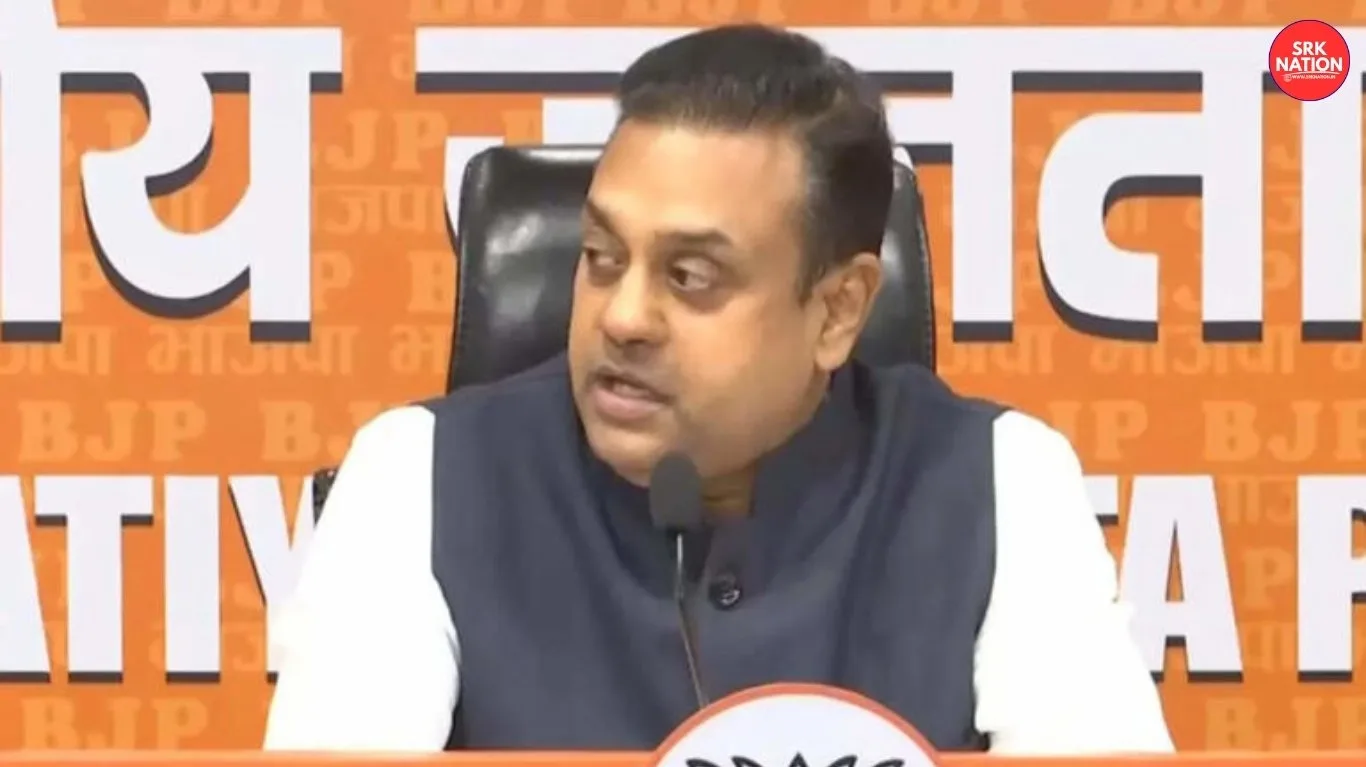
Indian politics has once again witnessed a fiery exchange between the Bharatiya Janata Party (BJP) and the Congress party. The spark this time came after Prime Minister Narendra Modi’s speech on Israel, which drew sharp criticism from Congress leaders. In retaliation, BJP leaders launched a scathing counterattack, targeting Rahul Gandhi with remarks that he is “getting old” and will “never get the throne.” This war of words has reignited discussions about leadership, succession, and the future of Indian democracy.
The Background of PM Modi’s Israel Speech
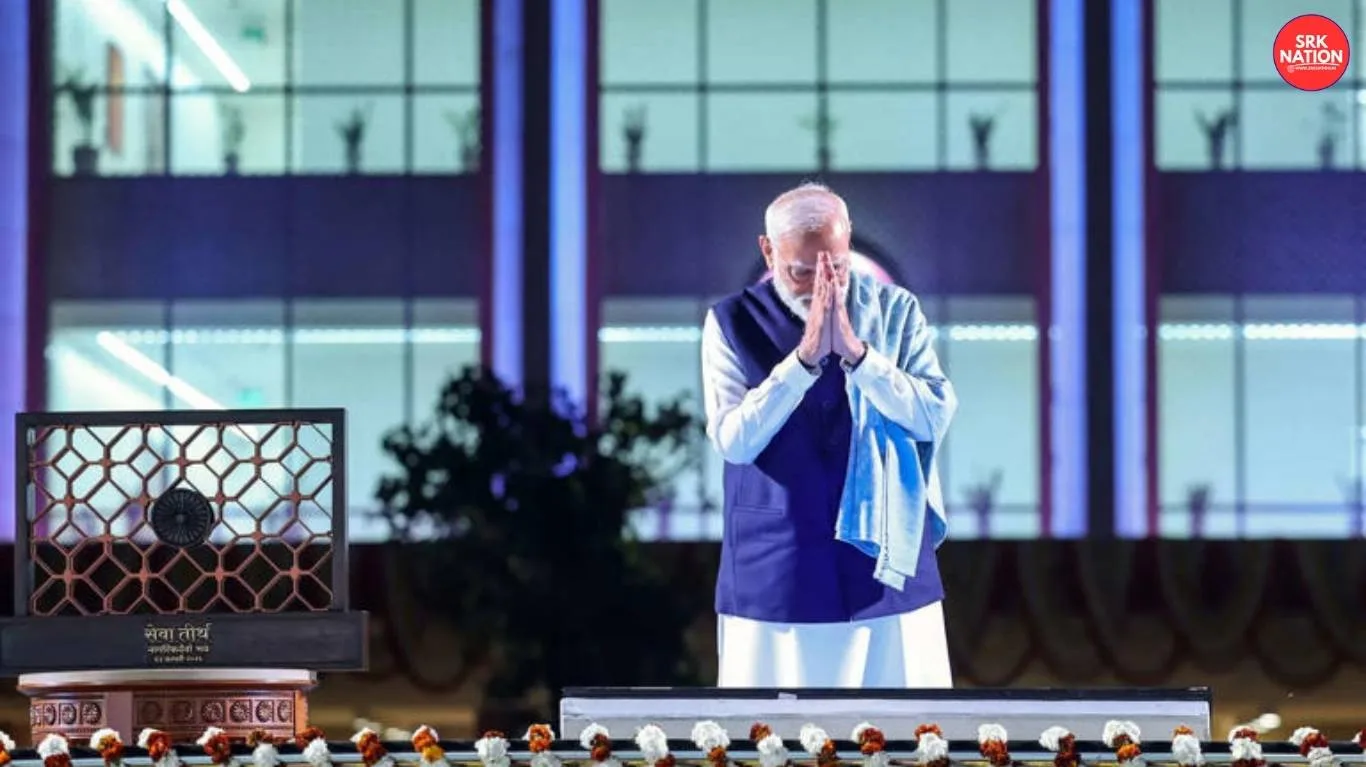
Prime Minister Modi’s speech on Israel was framed around India’s foreign policy priorities, emphasizing strategic partnerships, security cooperation, and cultural ties. While the BJP hailed it as a demonstration of India’s global stature, Congress leaders accused the Prime Minister of using international platforms for domestic political gains.
Congress argued that Modi’s speech lacked focus on pressing internal issues such as unemployment, inflation, and farmers’ concerns. The party suggested that the Prime Minister was more interested in projecting himself as a global statesman rather than addressing the everyday struggles of Indian citizens.
BJP’s Counterattack on Rahul Gandhi
In response to Congress criticism, BJP leaders shifted the narrative toward Rahul Gandhi’s leadership. Their remarks were sharp and personal, suggesting that Gandhi has failed to establish himself as a credible alternative to Modi.
- BJP leaders claimed Rahul Gandhi has been unable to connect with the masses despite years in politics.
- They argued that Gandhi’s repeated electoral setbacks prove his inability to lead Congress to victory.
- The statement that Rahul is “getting old” and will “never get the throne” was intended to highlight the perception that Congress’s leadership crisis remains unresolved.
This counterattack reflects BJP’s strategy of deflecting criticism by questioning the credibility of its main opposition leader.
Congress’s Defense
Congress leaders, in turn, defended Rahul Gandhi by pointing to his consistent efforts to raise issues of social justice, economic inequality, and democratic accountability. They argued that BJP’s personal attacks are an attempt to distract from governance failures.
- Congress highlighted Gandhi’s Bharat Jodo Yatra as a major initiative to connect with citizens across India.
- They accused BJP of resorting to character assassination instead of engaging in substantive debate.
- Congress maintained that Rahul Gandhi represents a vision of inclusive politics, contrasting with BJP’s majoritarian approach.
Political Significance of the Exchange
This clash is not just about one speech or one leader. It reflects deeper political currents in India:
- Leadership Crisis in Congress: Rahul Gandhi’s role remains contested within his party and among voters.
- BJP’s Dominance: By targeting Gandhi, BJP reinforces the narrative that Modi has no serious challenger.
- Electoral Strategy: Both parties are positioning themselves for upcoming elections, using every opportunity to shape public perception.
Comparative Analysis of BJP and Congress Strategies
| Aspect | BJP Strategy | Congress Strategy |
|---|---|---|
| Leadership Narrative | Highlight Modi’s global stature | Emphasize Rahul Gandhi’s grassroots focus |
| Attack Line | Rahul Gandhi lacks credibility | Modi ignores domestic issues |
| Public Perception | Strong, decisive leadership | Inclusive, democratic vision |
| Electoral Goal | Maintain dominance | Revive Congress’s relevance |
Political Timeline of Rahul Gandhi’s Leadership
| Year | Event | Outcome |
|---|---|---|
| 2004 | Entered politics | Won Amethi seat |
| 2014 | Led Congress in general elections | Party reduced to 44 seats |
| 2019 | Resigned as Congress president | Party failed to cross 100 seats |
| 2022 | Bharat Jodo Yatra | Boosted grassroots visibility |
| 2024 | General elections | Congress improved but still behind BJP |
This timeline shows the challenges Rahul Gandhi has faced in consolidating his leadership, despite efforts to rejuvenate the party.
Broader Implications for Indian Politics
The BJP’s remarks about Rahul Gandhi not getting the throne highlight a larger debate about dynastic politics versus merit-based leadership. While Congress continues to rely on the Gandhi family for leadership, BJP positions itself as a party where leaders rise through organizational ranks.
This narrative resonates with many voters who see dynastic politics as outdated. However, Congress counters by arguing that leadership should be judged by vision and commitment, not family background.
Public Reaction
Public opinion on this exchange has been divided:
- BJP supporters applauded the sharp attack, seeing it as proof of Modi’s unmatched leadership.
- Congress supporters criticized the remarks as disrespectful and irrelevant to governance.
- Neutral observers noted that such personal attacks distract from substantive policy debates.
Conclusion
The clash between BJP and Congress over PM Modi’s Israel speech and Rahul Gandhi’s leadership is emblematic of India’s polarized political landscape. While BJP seeks to reinforce Modi’s dominance by undermining Gandhi, Congress continues to defend its leader as a voice for inclusive politics.
Ultimately, the debate reflects not just party rivalry but also the struggle for India’s political future—between continuity and change, between global projection and domestic accountability.
Disclaimer
This article is a political analysis based on publicly available information and statements made by party leaders. It does not endorse or oppose any political party or leader. The purpose is to provide readers with a comprehensive understanding of the ongoing debate. Readers are encouraged to form their own opinions based on diverse sources and perspectives.