


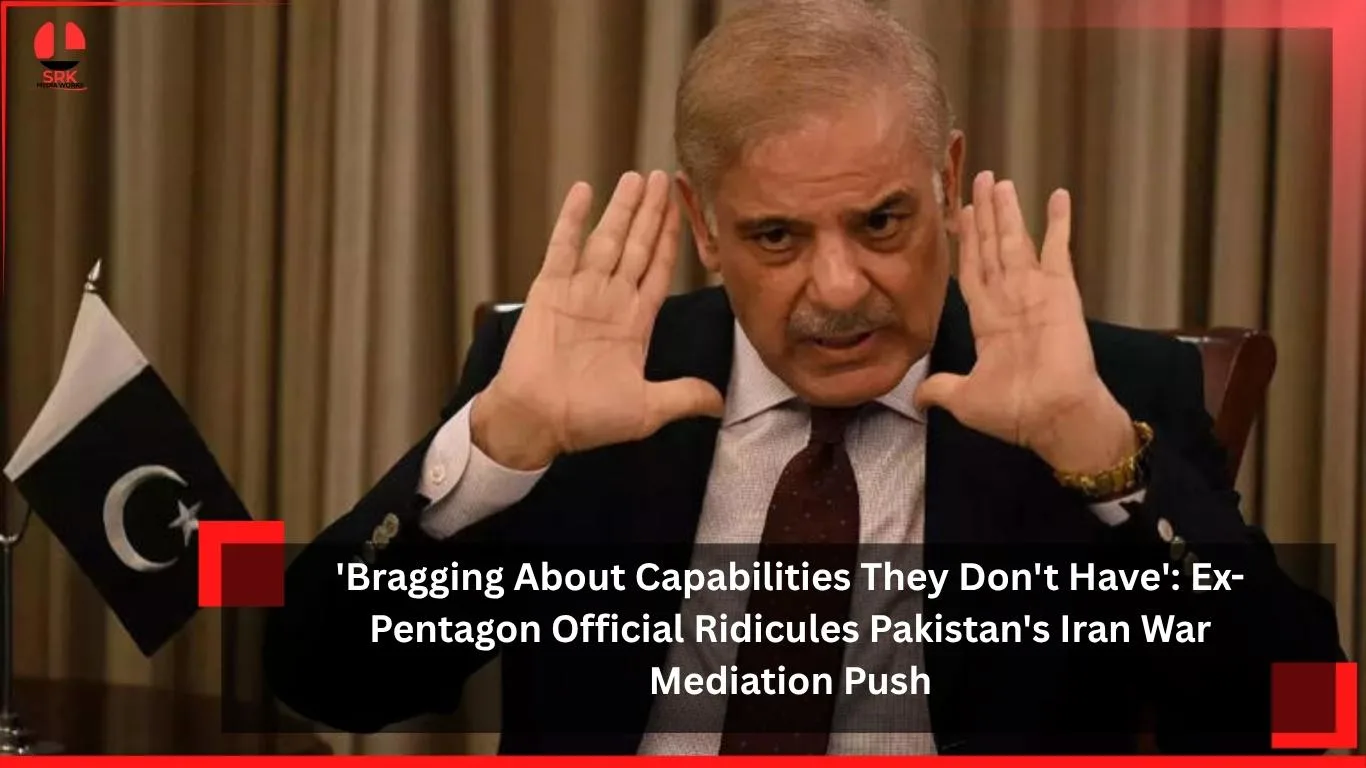
A former Pentagon official has ridiculed Pakistan’s recent push to mediate between Iran and its rivals, including the United States and Israel, claiming that Islamabad is “bragging about capabilities they don’t have.” The remarks have sparked debate about Pakistan’s diplomatic ambitions, its regional influence, and the challenges of positioning itself as a peace broker in one of the world’s most volatile geopolitical theaters.
Background of Pakistan’s Mediation Efforts
Pakistan has historically sought to play a balancing role in Middle Eastern conflicts, leveraging its ties with Iran, Saudi Arabia, and Western powers. In recent months, Islamabad has signaled its intent to mediate tensions involving Iran, particularly amid escalating hostilities with the US and Israel.
Officials in Pakistan have framed this initiative as part of their broader foreign policy strategy to enhance global relevance and project themselves as a stabilizing force in the Muslim world.
Ex-Pentagon Official’s Remarks
The former Pentagon official dismissed Pakistan’s mediation push, stating that the country lacks the diplomatic clout, economic leverage, and military influence required to broker peace in such complex conflicts. According to the official, Pakistan’s claims amount to “bragging about capabilities they don’t have,” suggesting that the initiative is more about optics than substance.
Comparative Analysis of Mediation Capabilities
| Attribute | Pakistan’s Mediation Push | US Diplomatic Influence | Regional Players (Saudi, Turkey) |
|---|---|---|---|
| Diplomatic Reach | Limited | Extensive, global | Moderate, regional |
| Economic Leverage | Weak, reliant on aid | Strong, sanctions power | Moderate, energy-driven |
| Military Influence | Regional, limited | Global superpower | Regional, situational |
| Credibility | Questioned | Established | Mixed |
| Mediation Success Rate | Low | Moderate | Variable |
Pivot Analysis of Pakistan’s Strategy
| Factor | Before Mediation Push | After Mediation Push |
|---|---|---|
| Global Attention | Limited | Increased scrutiny |
| Diplomatic Credibility | Moderate | Questioned |
| Regional Influence | Stable | Contested |
| Media Coverage | Routine | Intensified |
| Public Perception | Neutral | Divided |
Reactions from Global Stakeholders
- United States: Skeptical of Pakistan’s ability to influence Iran, viewing the initiative as symbolic.
- Israel: Dismissive, emphasizing that mediation requires credible leverage.
- Iran: Open to dialogue but cautious about Pakistan’s role.
- Regional Allies: Some Middle Eastern states see Pakistan’s push as an attempt to gain relevance, while others remain unconvinced.
Challenges Facing Pakistan
Pakistan’s mediation efforts face significant hurdles:
- Economic Weakness: Reliance on external aid limits leverage.
- Diplomatic Constraints: Limited global reach compared to established powers.
- Internal Instability: Domestic political and economic challenges undermine credibility.
- Regional Competition: Other players like Turkey and Saudi Arabia are more established mediators.
Broader Implications
Pakistan’s mediation push highlights broader themes in international relations:
- Symbolism vs. Substance: Diplomatic initiatives often serve domestic optics more than global impact.
- Regional Ambitions: Countries seek to elevate their status by engaging in high-profile conflicts.
- Global Skepticism: Established powers question the credibility of smaller states in mediation roles.
- Media Narratives: Coverage amplifies both ambition and criticism, shaping public perception.
Conclusion
The ex-Pentagon official’s ridicule of Pakistan’s Iran war mediation push underscores the skepticism surrounding Islamabad’s diplomatic ambitions. While Pakistan seeks to project itself as a peace broker, critics argue that it lacks the necessary capabilities to influence outcomes in such complex conflicts.
Whether Pakistan’s initiative evolves into meaningful diplomacy or remains symbolic will depend on its ability to overcome economic, political, and strategic limitations. For now, the controversy reflects the challenges of balancing ambition with credibility in global geopolitics.
Disclaimer
This article is intended for informational purposes only. It is based on publicly available developments and does not represent official statements from the Pentagon, Pakistan, Iran, the United States, or Israel. Readers should rely on official announcements for verified updates.