




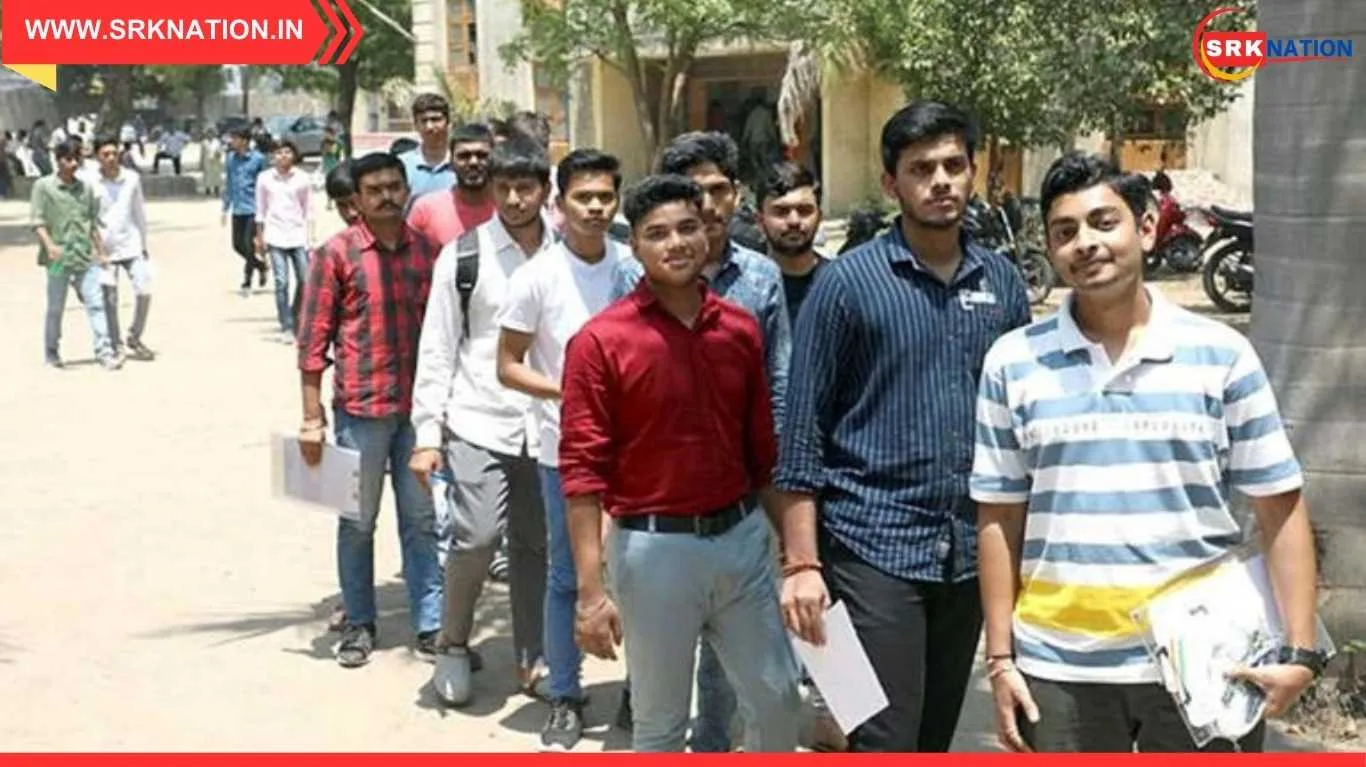
The Common Admission Test (CAT), India’s premier entrance examination for management programs at the Indian Institutes of Management (IIMs) and other top B-schools, has witnessed a sharp increase in application fees over the past four years. According to AIMIM chief Asaduddin Owaisi, the fees have risen by nearly 31% since 2021, sparking debate about affordability, accessibility, and inclusivity in higher education.
CAT Exam And Its Importance
- CAT Overview: Conducted annually by the IIMs, CAT is the gateway to MBA and PGDM programs across India.
- Candidates: Over 2.5 lakh aspirants register each year, making it one of the most competitive exams.
- Fee Structure: Application fees have steadily increased, raising concerns about affordability for students from economically weaker sections.
- Owaisi’s Statement: He criticized the hike, arguing that it disproportionately affects underprivileged students and widens inequality in access to elite education.
Key Highlights Of CAT Fee Hike
| Year | General Category Fee | SC/ST/PwD Fee | % Increase Since 2021 |
|---|---|---|---|
| 2021 | ₹2,200 | ₹1,100 | Base year |
| 2022 | ₹2,300 | ₹1,150 | +4.5% |
| 2023 | ₹2,400 | ₹1,200 | +9% |
| 2024 | ₹2,500 | ₹1,250 | +13.6% |
| 2025 | ₹2,880 | ₹1,440 | +31% |
Why The Fee Hike Matters
The increase in CAT application fees has broader implications:
- Accessibility: Higher fees may discourage students from rural and low-income backgrounds.
- Equity: Raises questions about inclusivity in premier institutions.
- Policy Debate: Sparks discussions about whether education should prioritize revenue or accessibility.
- Public Sentiment: Students and parents express frustration over rising costs of competitive exams.
Comparison With Other Exams
| Exam | Application Fee (General) | Application Fee (Reserved) | Accessibility Concerns |
|---|---|---|---|
| CAT | ₹2,880 | ₹1,440 | High fee hike |
| XAT | ₹2,200 | ₹2,200 | Moderate |
| SNAP | ₹2,250 | ₹2,250 | Moderate |
| MAT | ₹1,900 | ₹1,900 | Affordable |
| CMAT | ₹2,000 | ₹1,000 | Balanced |
Owaisi’s Criticism
- Economic Burden: He argued that fee hikes add financial stress to aspirants from marginalized communities.
- Inclusivity: Claimed that rising costs undermine the government’s commitment to inclusive education.
- Policy Failure: Suggested that the fee hike reflects misplaced priorities in higher education governance.
- Call For Reform: Urged authorities to reconsider fee structures and provide subsidies for disadvantaged groups.
Government And IIMs’ Perspective
- Operational Costs: Authorities argue that rising costs of conducting exams justify fee hikes.
- Digital Infrastructure: Investments in online testing platforms and security measures have increased expenses.
- Quality Assurance: Higher fees are seen as necessary to maintain exam integrity and global standards.
- Scholarships: Officials highlight that financial aid is available once students secure admission.
Public Sentiment
- Students: Express anger and disappointment, especially those from rural areas.
- Parents: Concerned about affordability of multiple exams alongside coaching costs.
- Academicians: Debate whether fee hikes align with India’s vision of equitable education.
- Social Media: Flooded with discussions, memes, and campaigns demanding rollback of fees.
Expert Opinions
- Economists: Warn that rising fees could exacerbate inequality in education.
- Educationists: Stress the need for balancing operational costs with inclusivity.
- Policy Analysts: Suggest subsidies or fee waivers for economically weaker sections.
- Global Observers: Note that India’s fee hikes contrast with efforts in other countries to make education more accessible.
Challenges Ahead
- Affordability: Ensuring fees remain manageable for all sections of society.
- Inclusivity: Maintaining diversity in IIM classrooms.
- Policy Balance: Reconciling financial sustainability with accessibility.
- Public Trust: Addressing concerns to maintain credibility of institutions.
Future Outlook
- Short-Term: Continued debates and possible petitions against fee hikes.
- Medium-Term: Authorities may consider subsidies or differential pricing.
- Long-Term: India’s education system must align with global standards of accessibility and equity.
- Political Impact: Fee hikes could become a talking point in broader debates on education policy.
Conclusion
The 31% rise in CAT exam application fees since 2021, highlighted by Asaduddin Owaisi, has sparked a national debate about affordability and inclusivity in higher education. While authorities justify the hike as necessary for operational costs, critics argue it undermines accessibility for underprivileged students.
For policymakers, it is a test of balancing financial sustainability with equity. For students, it is a reminder of the growing costs of competitive exams. And for India’s education system, it is a call to ensure that opportunities at elite institutions remain open to all, regardless of economic background.
Disclaimer: This article is based on publicly available educational updates, expert commentary, and media analysis. Readers are advised to follow official IIM notifications and verified sources for detailed information.