


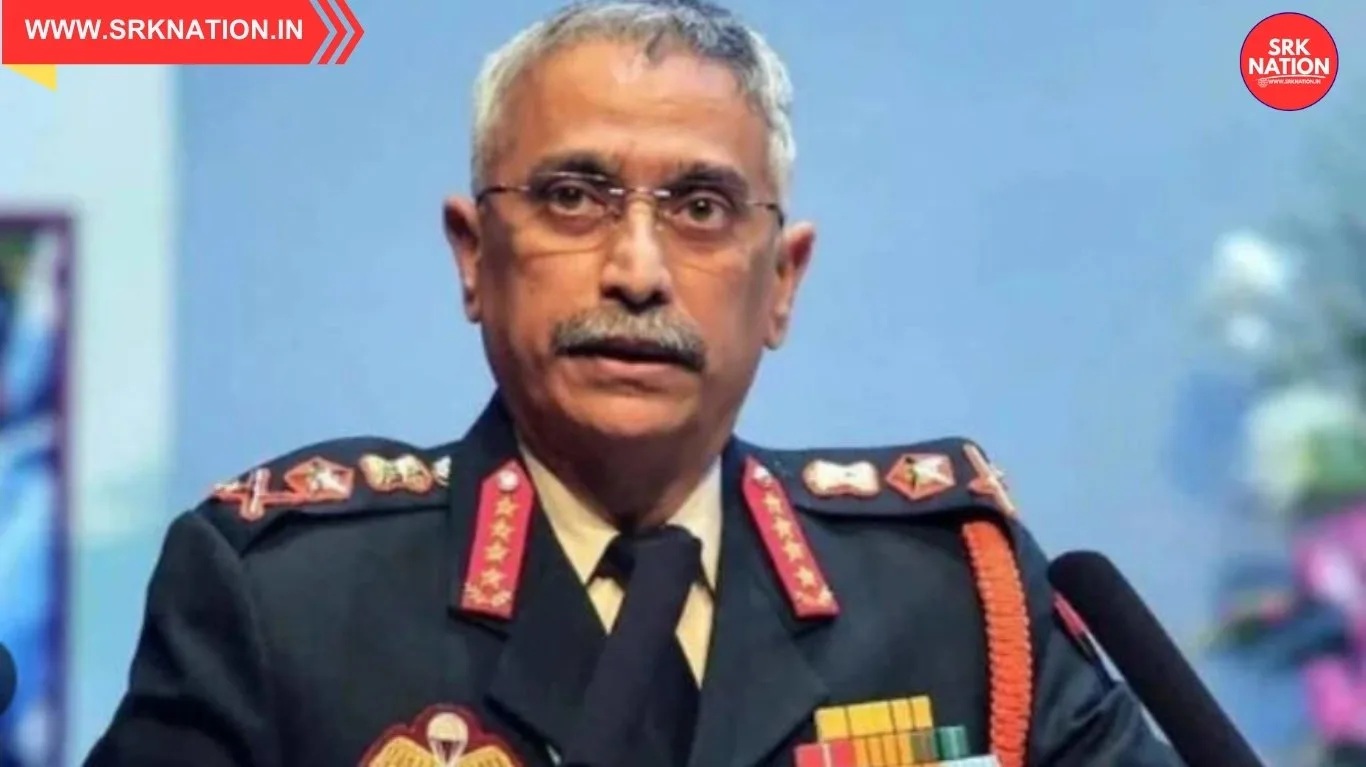
The Government of India is reportedly considering a significant policy change that could reshape the post-retirement careers of senior armed forces officers. A proposal to introduce a 20-year cooling-off period before retired officers can take up political positions or certain civilian roles has sparked intense debate. This move comes amid the controversy surrounding former Army Chief General M.M. Naravane, whose post-retirement activities have drawn scrutiny and political attention.
Background of the Proposal
The idea of a cooling-off period is not new. Civil servants in India already face restrictions on post-retirement employment, particularly in roles that may create conflicts of interest. Extending similar rules to armed forces officers is seen as a way to:
- Preserve the apolitical nature of the military
- Prevent undue influence in governance and politics
- Ensure transparency and accountability in public life
The proposed 20-year restriction is unprecedented in its length, raising questions about feasibility and fairness.
Why Now? The Naravane Row
General M.M. Naravane, who retired as Chief of Army Staff, has been at the center of discussions regarding the role of retired military leaders in politics and public life. His name has been linked to political speculation, prompting debates about whether retired officers should be allowed to enter politics immediately after service.
The controversy has accelerated government deliberations on stricter rules, with policymakers emphasizing the need to safeguard the military’s neutrality.
Key Features of the Proposed Cooling-Off Period
- Duration: 20 years after retirement
- Scope: Applies to senior officers of the Army, Navy, and Air Force
- Restrictions: Political roles, advisory positions in sensitive sectors, and certain corporate appointments
- Objective: Maintain institutional integrity and prevent politicization of the armed forces
Comparative Analysis: Civil Services vs Armed Forces
| Aspect | Civil Services Rules | Proposed Armed Forces Rules |
|---|---|---|
| Cooling-Off Period | 1–2 years (varies by role) | 20 years |
| Scope of Restriction | Corporate, lobbying, advisory roles | Political, corporate, advisory roles |
| Rationale | Prevent conflict of interest | Preserve military neutrality |
| Criticism | Limits career options | Seen as excessive and restrictive |
Reactions to the Proposal
Supporters argue:
- It will protect the apolitical image of the armed forces.
- Prevents retired officers from leveraging military prestige for political gain.
- Ensures long-term stability and public trust in institutions.
Critics counter:
- A 20-year ban is too harsh and impractical.
- Retired officers often retire in their early 60s, making them nearly 80 before eligibility.
- It could discourage talented individuals from serving at the highest levels.
- Restricts their right to participate in democratic processes.
Implications for Armed Forces Officers
The proposal could significantly alter career trajectories:
- Political Aspirations: Officers would be barred from contesting elections or joining parties for two decades.
- Corporate Roles: Restrictions may prevent them from joining defense-related industries.
- Advisory Positions: Limited opportunities in think tanks or strategic institutions.
Broader Impact on Governance
The cooling-off period could reshape civil-military relations in India. While intended to safeguard neutrality, it may also:
- Reduce the pool of experienced leaders available for public service.
- Create tension between military and civilian leadership.
- Spark legal challenges over constitutional rights.
International Comparisons
| Country | Cooling-Off Rules for Military Officers |
|---|---|
| United States | No formal ban, but strong norms discourage immediate political roles |
| UK | Advisory restrictions, case-by-case basis |
| Pakistan | Military officers often enter politics directly |
| India (proposed) | 20-year cooling-off period |
India’s proposal stands out globally for its length and rigidity.
Public Sentiment
Public opinion is divided:
- Pro-restriction voices: Stress the importance of keeping the military apolitical.
- Opposition voices: Argue that retired officers should have the same democratic rights as civilians.
- Neutral observers: Suggest a shorter cooling-off period, such as 5–10 years, as a compromise.
Conclusion
The Centre’s consideration of a 20-year cooling-off period for retired armed forces officers marks a pivotal moment in India’s civil-military discourse. While the proposal aims to preserve neutrality and prevent politicization, its unprecedented length raises concerns about fairness and practicality. The debate reflects broader questions about balancing institutional integrity with individual rights. As discussions continue, the final decision will likely shape the future of military leadership and its role in public life.
Disclaimer
This article is based on publicly available information and policy discussions. It does not endorse or oppose any political party or viewpoint. The purpose is to provide balanced reporting and contextual analysis of the proposed cooling-off period. Readers are advised to follow official government updates for verified details.