


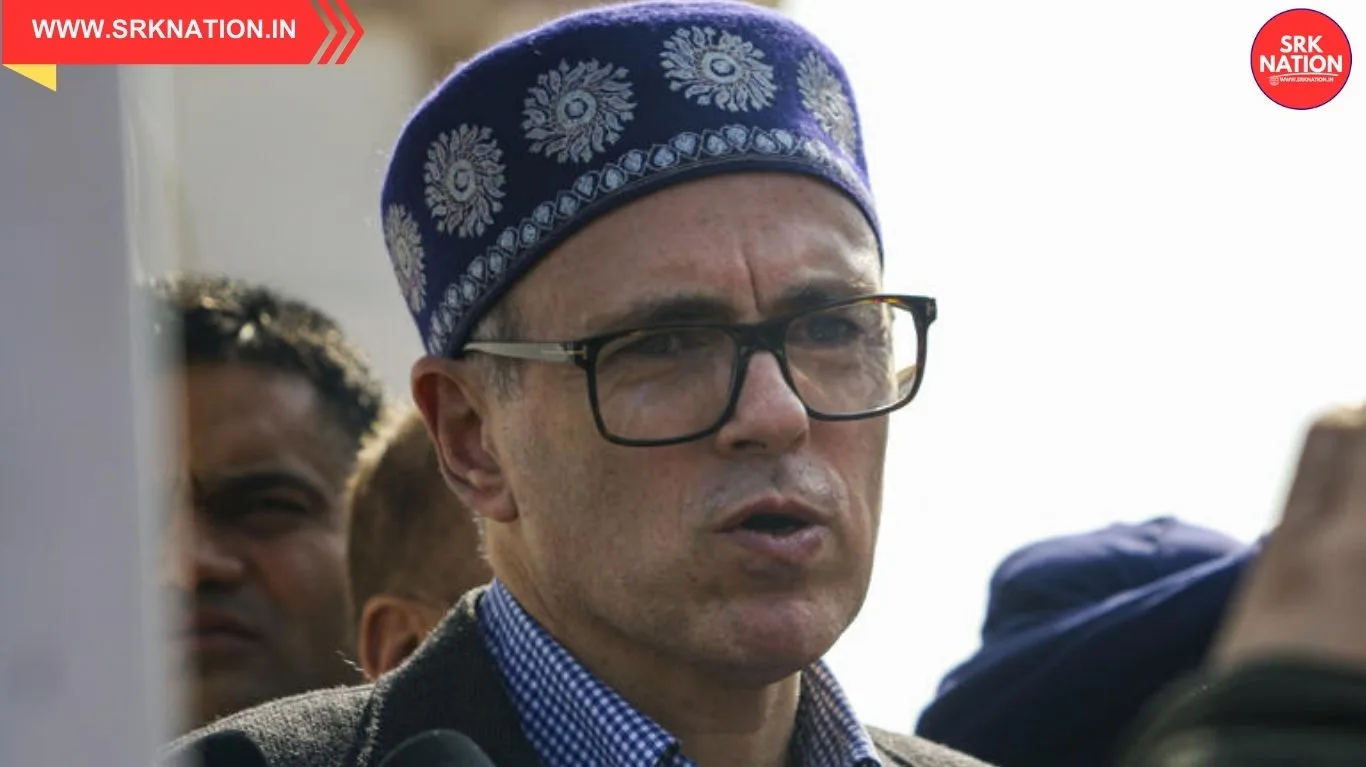
In a significant development for Jammu and Kashmir, Chief Minister Omar Abdullah has welcomed the Railway Ministry’s decision to halt three ongoing projects in the region, citing the move as a step toward reassessing priorities and ensuring sustainable development. The announcement has sparked debate across political, economic, and social circles, with stakeholders weighing the implications of halting infrastructure projects in a region that has long sought improved connectivity.
Context of the Railway Ministry’s Decision
The Railway Ministry recently announced the suspension of three projects in Jammu and Kashmir, citing financial constraints, environmental concerns, and the need for strategic reassessment. These projects were part of a broader plan to enhance connectivity between the Kashmir Valley and the rest of India.
Chief Minister Omar Abdullah welcomed the decision, stating that halting the projects would allow the government to re-evaluate their feasibility, environmental impact, and alignment with the region’s long-term development goals.
Key Projects Halted
| Project Name | Location | Purpose | Reason for Halt |
|---|---|---|---|
| Jammu-Baramulla Rail Extension | Jammu to Baramulla | Enhance passenger connectivity | Financial reassessment |
| Srinagar-Kupwara Line | Srinagar to Kupwara | Connect northern districts | Environmental concerns |
| Anantnag-Kulgam Link | Anantnag to Kulgam | Improve local transport | Strategic review |
CM Omar’s Perspective
Omar Abdullah emphasized that while infrastructure development is crucial, it must not come at the cost of environmental sustainability or fiscal responsibility. His key points included:
- Balanced Development: Projects must align with ecological preservation.
- Financial Prudence: Resources should be allocated to projects with maximum impact.
- Local Priorities: Focus on healthcare, education, and employment alongside connectivity.
- Strategic Planning: Halted projects provide an opportunity to reassess long-term goals.
Political Reactions
- Supporters of the Decision: Welcomed the halt as a responsible move that prioritizes sustainability.
- Opposition Parties: Criticized the suspension, claiming it would delay much-needed connectivity.
- Civil Society Groups: Called for transparent reassessment and citizen participation in future planning.
- Business Leaders: Expressed concern about potential delays in economic growth tied to improved transport.
Comparative Analysis of Railway Projects in J-K
| Period | Government in Power | Approach to Railway Projects | Outcome |
|---|---|---|---|
| 2004–2014 | UPA | Aggressive expansion | Several incomplete projects |
| 2014–2024 | NDA | Strategic prioritization | Focus on flagship projects |
| 2026 | Current Govt | Halt and reassessment | Emphasis on sustainability |
Broader Implications for Jammu and Kashmir
- Economic Impact: Delay in projects may slow down trade and tourism growth.
- Environmental Benefits: Reduced ecological disruption in sensitive areas.
- Social Concerns: Citizens may face continued challenges in mobility.
- Strategic Considerations: Reassessment could lead to more impactful projects in the future.
Public Sentiment
- Urban Residents: Mixed reactions, with some supporting sustainability and others frustrated by delays.
- Rural Communities: Concerned about continued isolation and lack of connectivity.
- Youth Groups: Called for balanced development that includes both infrastructure and job creation.
- Environmental Activists: Strongly supported the halt, citing ecological preservation.
Conclusion
The headline “CM Omar Welcomes Railway Ministry’s Decision to Halt Three Projects in J-K” reflects a pivotal moment in the region’s development narrative. While the suspension of projects may initially appear as a setback, Omar Abdullah’s support highlights the importance of reassessing priorities to ensure sustainable, balanced, and impactful growth.
This decision underscores the delicate balance between infrastructure expansion and environmental preservation in Jammu and Kashmir, setting the stage for future projects that align more closely with the region’s long-term needs.
Disclaimer
This article is intended for informational and analytical purposes only. It reflects current political and developmental discussions in Jammu and Kashmir. The content does not represent official statements from the Railway Ministry, the Government of India, or the Government of Jammu and Kashmir. Readers should verify facts through authoritative sources before drawing conclusions.