



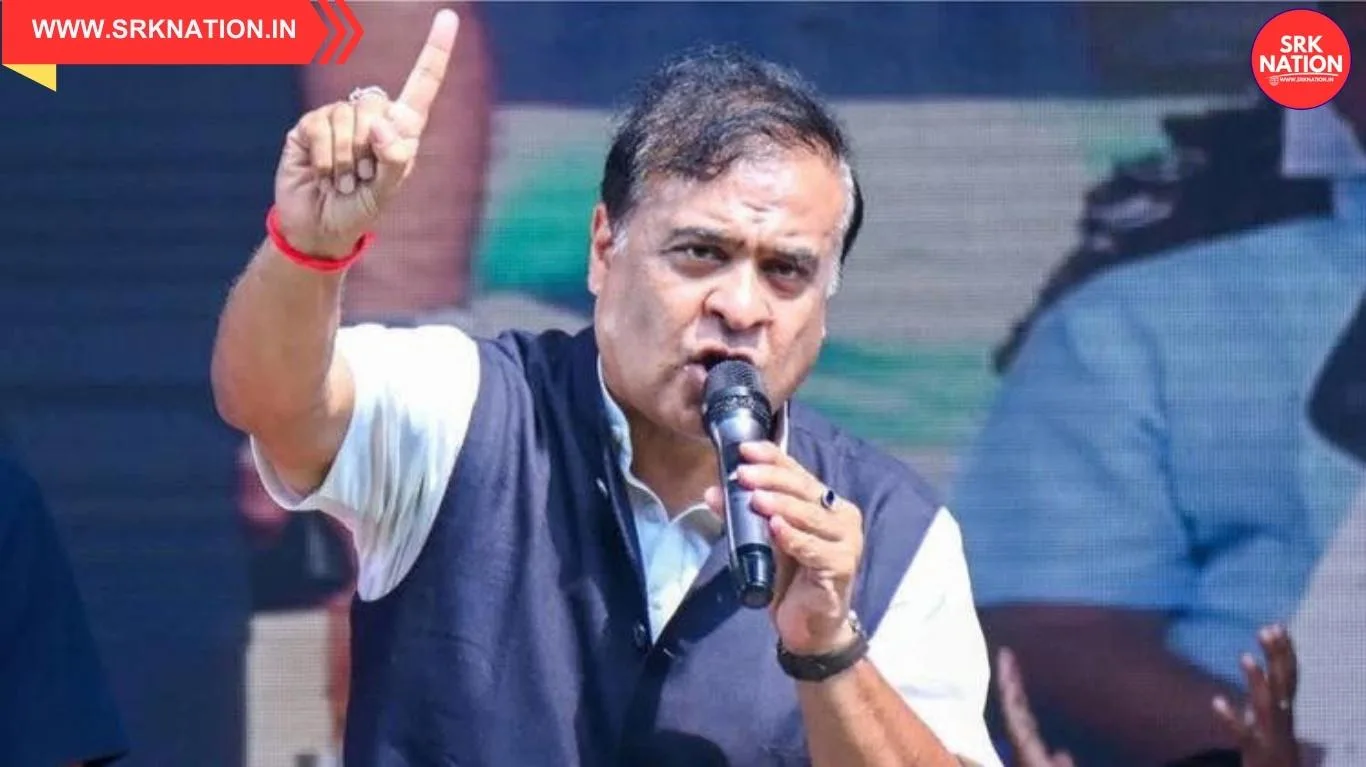
Assam Chief Minister Himanta Biswa Sarma has stirred political debate with his sharp remarks against the Congress party, claiming that it has become a party “only for Miyas” and that apart from them, no one will vote for it. His statement has reignited discussions on identity politics, electoral strategies, and the shifting dynamics of Assam’s political landscape ahead of upcoming elections.
Context of the Statement
The comment was made during a public address where Sarma targeted the Congress party’s voter base, alleging that its appeal has narrowed to a specific community. By using the term “Miyas,” Sarma referred to a section of Assamese Muslims of Bengali origin, who have historically been a significant part of the state’s demographic and political discourse.
Sarma’s remarks are part of a broader narrative where the BJP has consistently positioned itself as the party of “inclusive Assamese identity,” while accusing Congress of relying on vote-bank politics.
Political Significance
- Identity Politics: The statement underscores the role of ethnic and religious identities in Assam’s electoral politics.
- Congress’s Position: The party has often defended its inclusive approach, but Sarma’s remarks suggest that BJP sees Congress as increasingly isolated.
- Electoral Strategy: BJP aims to consolidate Assamese Hindu votes, tribal communities, and other groups by portraying Congress as dependent on one section.
- Polarization Debate: Critics argue that such remarks deepen divisions, while supporters claim they reflect ground realities.
Comparative Analysis of Party Strategies in Assam
| Party | Core Voter Base | Strategy | Current Challenge |
|---|---|---|---|
| BJP | Assamese Hindus, tribal groups, urban voters | Identity politics, development narrative | Balancing inclusivity with polarization |
| Congress | Minority communities, traditional rural voters | Secular, inclusive appeal | Shrinking influence outside minority base |
| AIUDF | Muslim voters, especially Bengali-origin | Community-centric politics | Limited expansion beyond core base |
| Regional Parties | Assamese identity groups | Cultural preservation, autonomy | Competition with BJP’s dominance |
Reactions to Sarma’s Remarks
- BJP Supporters: Welcomed the statement as a bold truth, reinforcing the party’s narrative.
- Congress Leaders: Condemned the remarks, accusing Sarma of divisive politics.
- Civil Society Groups: Expressed concern about the impact of such rhetoric on social harmony.
- Political Analysts: Noted that the statement reflects BJP’s confidence in consolidating non-minority votes.
Broader Implications
- Electoral Impact: Could influence voter perceptions, especially in constituencies with mixed demographics.
- Social Cohesion: Raises questions about the balance between political rhetoric and communal harmony.
- National Politics: Highlights how regional identity politics in Assam resonate with broader national debates on secularism and inclusivity.
Historical Context of Miyas in Assam Politics
The term “Miya” has long been associated with Bengali-origin Muslims in Assam. Their political participation has been a subject of debate:
- Pre-Independence: Migration patterns shaped demographic realities.
- Post-Independence: Political parties courted the community for electoral gains.
- Recent Decades: Rise of AIUDF and Congress’s reliance on minority votes highlighted their role.
- Current Scenario: BJP positions itself as countering “vote-bank politics” while emphasizing Assamese identity.
Public Sentiment
- Urban Voters: Many resonate with Sarma’s narrative of identity-based politics.
- Rural Communities: Mixed reactions, with some supporting inclusivity and others aligning with BJP’s stance.
- Minority Groups: Expressed concern over being singled out in political discourse.
- Youth Voices: Called for focus on development issues rather than identity politics.
Conclusion
The headline “‘Congress is Just a Party for Miyas, Apart from Them No One Will Vote’: Himanta Biswa Sarma” reflects the intensity of Assam’s political discourse. Sarma’s remarks highlight BJP’s strategy of portraying Congress as isolated and dependent on minority votes, while positioning itself as the party of Assamese identity and development.
This episode underscores the continuing role of identity politics in shaping Assam’s electoral landscape, raising critical questions about inclusivity, representation, and the future of political competition in the state.
Disclaimer
This article is intended for informational and analytical purposes only. It reflects current political discussions and perspectives within Assam. The content does not represent official statements from the Government of Assam, the Bharatiya Janata Party, the Congress party, or any other political entity. Readers should verify facts through authoritative sources before drawing conclusions.