



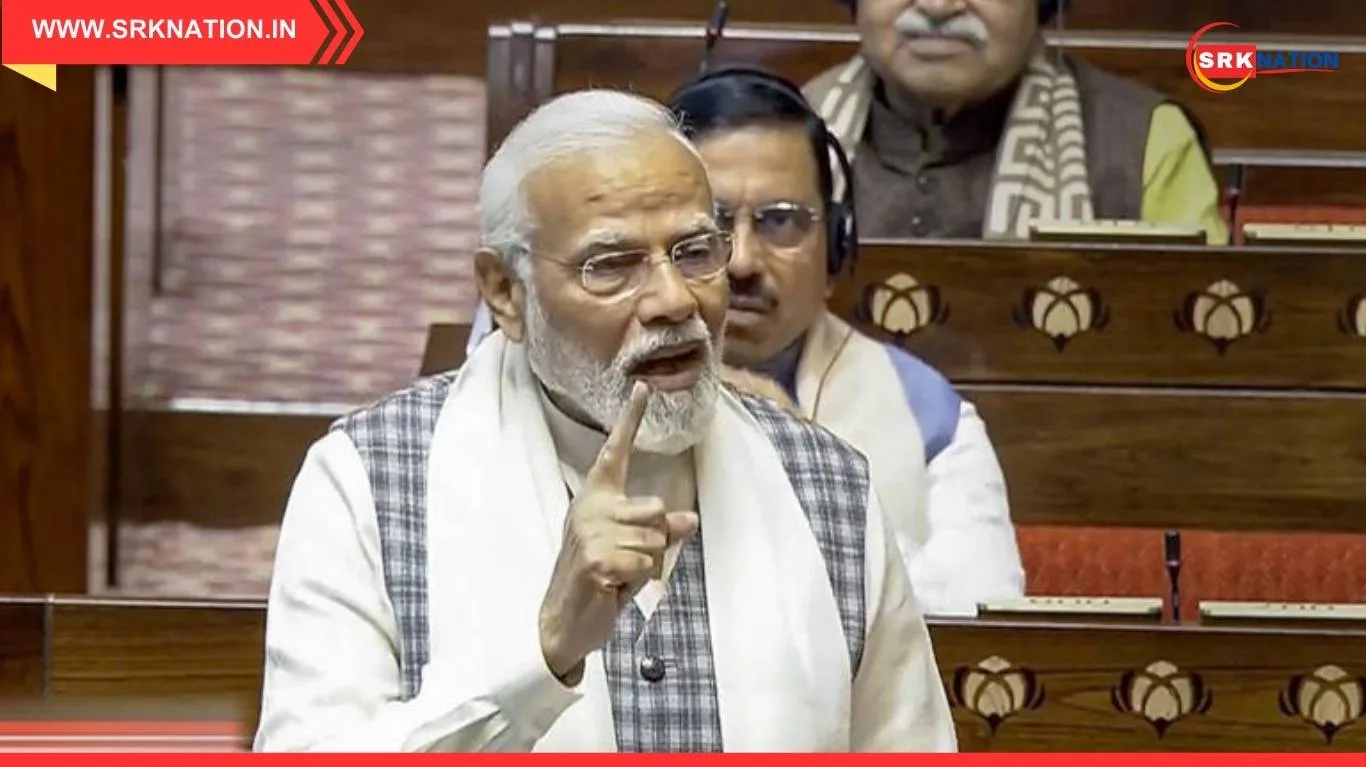
Prime Minister Narendra Modi has declared that India is now in a full-fledged ‘reform express’ phase, emphasizing that the government is committed to accelerating structural reforms across sectors to strengthen the economy, empower citizens, and position the country as a global growth engine. His remarks highlight the government’s focus on economic transformation, digital innovation, infrastructure development, and social welfare initiatives that aim to reshape India’s future trajectory.
Key Highlights
- PM Modi says India is in a full-fledged ‘reform express’ phase.
- Reforms span economy, infrastructure, technology, agriculture, and social welfare.
- Government aims to make India a $5-trillion economy.
- Emphasis on digital transformation, green energy, and inclusive growth.
- Global investors view India as a key destination for long-term opportunities.
Background of Reform Agenda
Since 2014, the Modi government has introduced a series of reforms aimed at modernizing India’s economy and governance. From the Goods and Services Tax (GST) to the Insolvency and Bankruptcy Code (IBC), reforms have sought to simplify regulations, improve transparency, and attract investment.
The Prime Minister’s latest statement underscores that India is not slowing down but accelerating reforms in areas such as digital economy, renewable energy, manufacturing, agriculture, and financial inclusion.
Statistical Overview of India’s Reform Journey
| Year | Major Reform | Sector | Impact |
|---|---|---|---|
| 2016 | GST rollout | Taxation | Unified tax system, improved compliance |
| 2017 | Insolvency and Bankruptcy Code | Finance | Faster resolution of bad loans |
| 2019 | Digital India expansion | Technology | Boosted digital payments, e-governance |
| 2021 | Production Linked Incentive (PLI) scheme | Manufacturing | Encouraged domestic production |
| 2023 | Green Hydrogen Mission | Energy | Promoted renewable energy transition |
| 2025 | Reform Express phase | Multi-sector | Accelerated growth, global competitiveness |
Impact of Reform Express Phase
| Factor | Impact on Citizens | Impact on Economy | Impact on Global Standing |
|---|---|---|---|
| Economic reforms | More jobs, better opportunities | Boosts GDP growth | Positions India as growth hub |
| Infrastructure push | Improved connectivity | Attracts investment | Enhances global competitiveness |
| Digital innovation | Access to services | Expands digital economy | Strengthens India’s tech leadership |
| Green energy focus | Cleaner environment | Reduces carbon footprint | Aligns with global climate goals |
| Long-term outlook | Inclusive growth | Sustainable development | Reinforces India’s global role |
Key Areas of Reform
- Economic Growth: Focus on fiscal discipline, investment-friendly policies, and industrial expansion.
- Infrastructure Development: Massive investments in highways, railways, airports, and smart cities.
- Digital Transformation: Expansion of digital payments, e-governance, and AI-driven innovation.
- Agriculture: Modernization of farming practices, crop diversification, and farmer welfare schemes.
- Energy Transition: Push for renewable energy, electric vehicles, and green hydrogen.
- Social Welfare: Strengthening healthcare, education, and housing initiatives for inclusive growth.
Why Modi’s Statement Matters
- Investor Confidence: Signals India’s commitment to reforms, attracting global capital.
- Citizen Empowerment: Reforms aim to improve quality of life and create opportunities.
- Global Positioning: India emerges as a key player in shaping global economic trends.
- Sustainability: Focus on green energy aligns with international climate commitments.
Expert Views
Economists and policy analysts believe India’s reform momentum is critical for achieving the $5-trillion economy target. They argue that while challenges remain, such as inflation and global uncertainties, India’s proactive reforms provide resilience. Business leaders emphasize that India’s digital and manufacturing reforms are creating new opportunities for global partnerships.
Public and Political Reactions
Citizens have expressed optimism about reforms that improve access to services and create jobs. Political leaders across parties acknowledge the importance of reforms, though some criticize the pace and implementation challenges. Social media discussions reflect growing awareness of India’s transformation journey.
Historical Context
India’s reform journey began in 1991 with liberalization, privatization, and globalization policies. Since then, successive governments have introduced reforms, but Modi’s tenure has been marked by aggressive and wide-ranging initiatives. The current ‘reform express’ phase represents a continuation and acceleration of this trajectory.
Extended Analysis
The reform express phase reflects broader themes in India’s development:
- Global Integration: India’s reforms strengthen its role in global supply chains.
- Innovation: Digital and technological reforms drive competitiveness.
- Sustainability: Energy reforms align with climate goals.
- Inclusivity: Welfare reforms ensure growth benefits reach all citizens.
For citizens, reforms mean better opportunities and services. For businesses, they create a favorable environment for investment. For the world, India’s reforms contribute to global stability and growth.
Conclusion
Prime Minister Narendra Modi’s declaration that India is in a full-fledged ‘reform express’ phase marks a defining moment in the country’s development journey. With reforms spanning economy, infrastructure, technology, agriculture, and energy, India is positioning itself as a global growth engine. As the nation accelerates its transformation, the reform express promises to deliver inclusive, sustainable, and globally competitive growth.
Disclaimer
This article is based on publicly available government updates, expert commentary, and economic analysis. It is intended for informational and editorial purposes only, offering insights into India’s reform journey and its implications for citizens, businesses, and global stakeholders.