








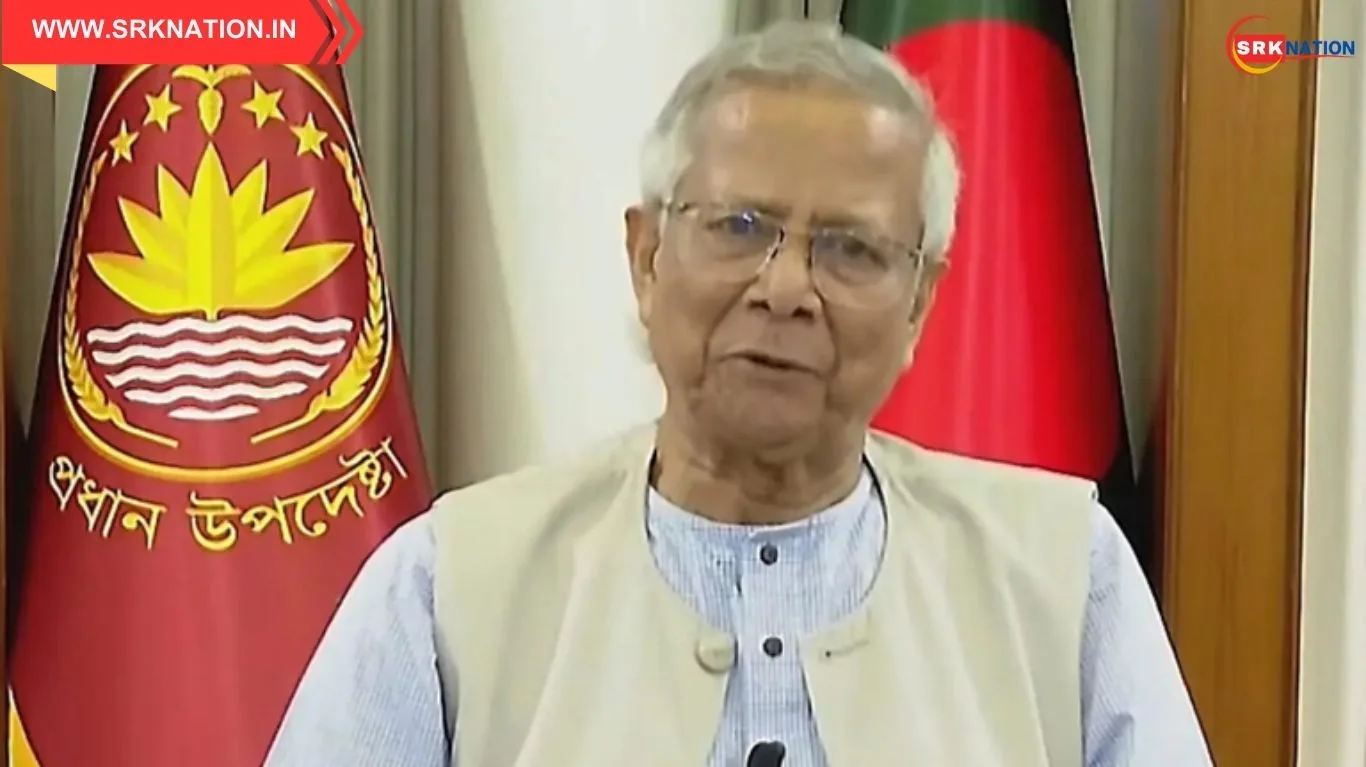
In a significant diplomatic development, a group of US lawmakers have written to Nobel laureate and current Bangladesh leader Dr. Muhammad Yunus, expressing deep concern over reports of a possible ban on the Awami League, the party led by former Prime Minister Sheikh Hasina. The letter warns that such a move could trigger a “cycle of retaliation,” destabilizing Bangladesh’s fragile political landscape and undermining democratic institutions.
Background of the Controversy
- The Awami League, one of Bangladesh’s oldest and most influential political parties, has been at the center of the country’s governance for decades.
- Following Sheikh Hasina’s departure from power, tensions have escalated between her supporters and the current administration led by Yunus.
- Reports of a potential ban on the Awami League have raised alarm among international observers, who fear it could deepen political divisions.
- US lawmakers have urged Yunus to ensure inclusivity, warning that exclusionary politics could harm Bangladesh’s democratic future.
Key Highlights of the US Lawmakers’ Letter
| Indicator | Details |
|---|---|
| Sender | US lawmakers |
| Recipient | Dr. Muhammad Yunus |
| Subject | Concern over banning Awami League |
| Warning | “Cycle of retaliation” |
| Broader Impact | Potential destabilization of Bangladesh’s democracy |
Potential Ban vs Democratic Stability
| Factor | Potential Ban on Awami League | Democratic Stability | Implication |
|---|---|---|---|
| Political Inclusion | Exclusion of major party | Multiparty participation | Risk of polarization |
| Governance | Short-term control | Long-term legitimacy | Weakens trust in institutions |
| Public Sentiment | Anger among supporters | Confidence in democracy | Risk of unrest |
| International Relations | Criticism from allies | Positive engagement | Strains diplomatic ties |
Why This Issue Matters
- Democratic Integrity: Banning a major political party undermines the principle of multiparty democracy.
- Public Stability: Exclusion of Awami League could lead to protests and unrest.
- International Relations: US lawmakers’ intervention signals global concern over Bangladesh’s political trajectory.
- Cycle of Retaliation: Political bans often lead to countermeasures, deepening divisions.
Awami League’s Role in Bangladesh Politics
| Attribute | Details |
|---|---|
| Founding Year | 1949 |
| Historical Role | Led independence movement in 1971 |
| Governance | Multiple terms under Sheikh Hasina |
| Political Base | Strong grassroots support across Bangladesh |
| Current Status | Facing potential ban under Yunus administration |
The Awami League has been central to Bangladesh’s political identity, making any move to ban it highly controversial.
Expert Opinions
- Political Analysts: Warn that banning Awami League could destabilize Bangladesh’s political system.
- Human Rights Advocates: Stress the importance of protecting political freedoms.
- Economists: Note that political instability could harm Bangladesh’s economic growth.
- International Observers: Urge dialogue and reconciliation to avoid escalation.
Challenges Ahead
- Maintaining Stability: Preventing unrest among Awami League supporters.
- Ensuring Inclusivity: Balancing governance with democratic principles.
- International Pressure: Managing criticism from global allies.
- Avoiding Retaliation: Preventing a cycle of bans and counter-bans among parties.
Opportunities for Resolution
- Dialogue: Initiating talks between Yunus administration and Awami League leaders.
- Legal Safeguards: Ensuring political parties are protected under constitutional law.
- International Mediation: Leveraging global partners to encourage reconciliation.
- Public Engagement: Building trust through transparent governance.
Broader Context of Bangladesh’s Political Landscape
- Bangladesh has long been dominated by rivalry between Awami League and Bangladesh Nationalist Party (BNP).
- Sheikh Hasina’s leadership brought stability but also accusations of authoritarianism.
- Yunus’s rise to power was seen as a break from traditional politics, but tensions remain.
- The potential ban reflects broader struggles over power, legitimacy, and democratic norms.
Public Sentiment
- Supporters of Awami League expressed outrage at the possibility of a ban.
- Critics argue that the party’s dominance has hindered democratic competition.
- Social media debates highlight divisions between pro-Hasina and pro-Yunus camps.
- Overall sentiment reflects anxiety about Bangladesh’s democratic future.
Conclusion
The letter from US lawmakers to Dr. Muhammad Yunus, warning against banning Sheikh Hasina’s Awami League, underscores the global concern over Bangladesh’s political trajectory. The warning of a “cycle of retaliation” highlights the risks of exclusionary politics, which could destabilize the country and undermine democratic institutions. For Bangladesh, the path forward lies in dialogue, inclusivity, and respect for political freedoms, ensuring that democracy remains resilient in the face of challenges.
Disclaimer
This article is intended for informational purposes only and does not constitute political or policy advice. Political decisions, party dynamics, and international relations are subject to change based on evolving circumstances. Readers are encouraged to follow official updates for accurate information. The author and publisher are not responsible for any decisions made based on this article.