

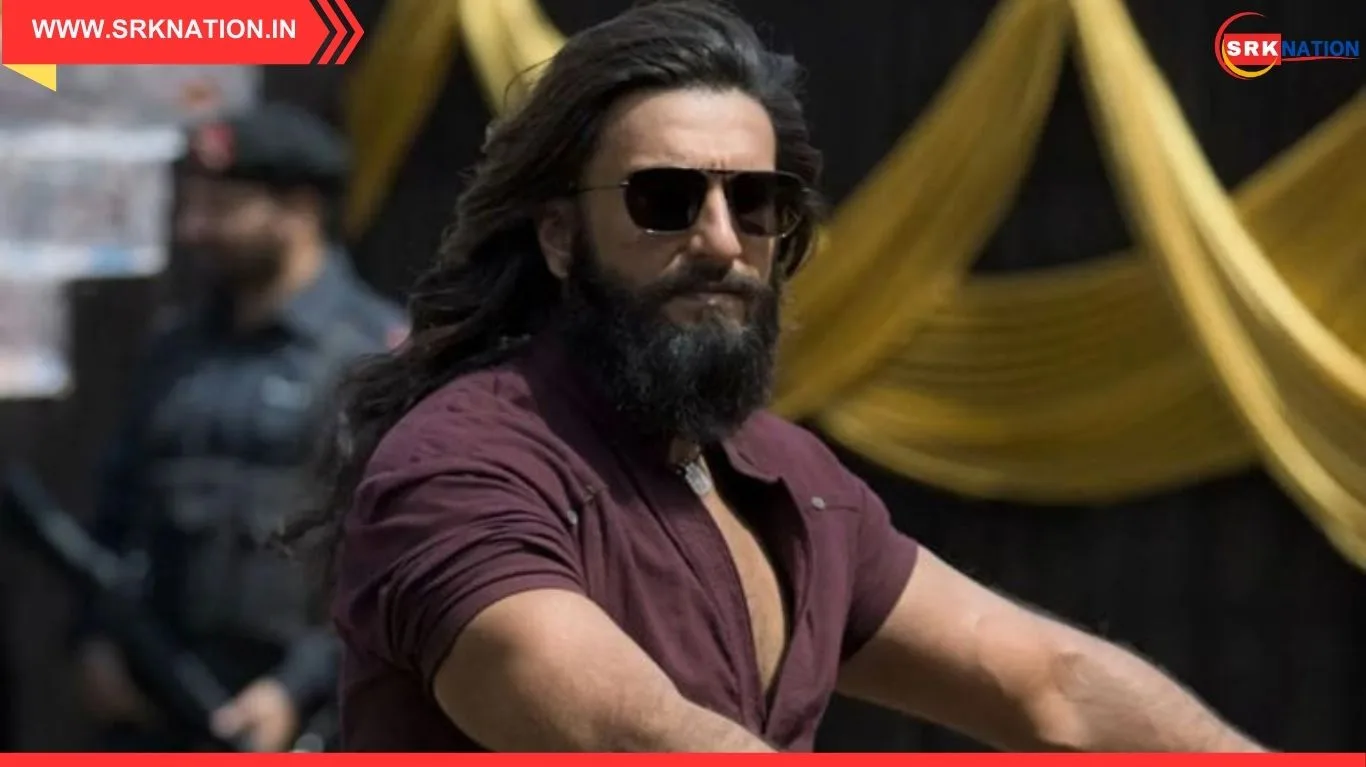
The release of Dhurandhar, a high‑intensity Bollywood thriller, has unexpectedly ignited a Pakistan vs Pakistan debate, splitting opinions across Baloch activists, Karachi‑based journalists, and Pakistani social media users. What began as a cinematic conversation has now evolved into a deeper cultural and political introspection within Pakistan, as the film’s portrayal of Baloch identity, militancy, and state oppression forces viewers to confront long‑standing internal contradictions.
According to reporting, the film has left Pakistanis torn between rejecting it outright, grudgingly admiring its craft, or regretting that such a story was not told by Pakistan’s own filmmakers.The debate has become particularly intense among Baloch communities and Karachi’s media circles, where reactions range from praise for the film’s technical brilliance to outrage over perceived misrepresentation.
✅ Key Highlights
- Dhurandhar sparks a nationwide debate in Pakistan over identity, representation, and political narratives.
- Baloch activists accuse the film of distorting their struggle and history.
- Karachi journalists are divided—some praise the film’s craft, others criticize its political framing.
- Social media creators in Pakistan admit the film is “very, very well made,” despite political discomfort.
- The film’s depiction of Baloch militancy and Pakistan Army actions has reopened sensitive conversations.
✅ Background: Why Dhurandhar Hit a Raw Nerve
The film blends real historical events—such as the 1999 Kandahar hijacking and the 2001 Parliament attack—with fictionalized narratives involving Baloch characters and Pakistan’s internal conflicts.
Its portrayal of a Baloch gangster figure, inspired by Lyari’s notorious Rehman Dakait, and its depiction of Pakistan Army operations in Balochistan have triggered emotional responses.
For many Pakistanis, the film feels like an external mirror reflecting uncomfortable truths. For others, it feels like an oversimplified or distorted representation of a complex struggle.
✅ Statistical Overview of Reactions
| Group | Reaction Summary | Source |
|---|---|---|
| Baloch Activists | Strong criticism; accuse film of misrepresentation | Business Today |
| Karachi Journalists | Divided; some praise craft, others reject narrative | The Print |
| Pakistani Social Media | Mixed; admiration for filmmaking, discomfort with themes | The Print |
| Human Rights Circles | Concern over portrayal of Baloch struggle | Moneycontrol |
| General Pakistani Audience | Split between pride, resentment, and introspection | The Print |
✅ Impact of the Film on Pakistan’s Internal Discourse
| Factor | Impact on Baloch Communities | Impact on Karachi Media | Impact on Pakistan’s National Narrative |
|---|---|---|---|
| Representation | Anger over distorted portrayal | Sparks editorial debates | Forces discussion on Balochistan |
| Political Sensitivity | Reopens wounds of state oppression | Journalists cautious in commentary | Highlights censorship culture |
| Cultural Identity | Baloch feel stereotyped | Media divided on authenticity | Raises questions about diversity |
| International Perception | Fear of global misunderstanding | Media critiques narrative framing | Pakistan’s image under scrutiny |
| Long-term Outlook | Demands for accurate storytelling | More nuanced reporting expected | Potential push for local films |
✅ What Baloch Activists Are Saying
Baloch leaders have been among the strongest critics.
Mir Yar Baloch, a prominent voice, stated that the film “fails to depict Baloch history, culture or the essence of their freedom movement” and reduces their decades‑long struggle to a gangster narrative.
He emphasized that:
- Baloch people never supported 26/11 or any terror attacks.
- They are victims of Pakistan‑sponsored terrorism, not perpetrators.
- The film wrongly portrays them as religious extremists, which contradicts their secular identity.
This criticism reflects a long‑standing frustration: Baloch voices feel erased or misrepresented in mainstream South Asian storytelling.
✅ Karachi Journalists: A House Divided
Karachi’s media community is split.
✅ Group 1: The Admirers
Some journalists and reviewers acknowledge the film’s:
- High production value
- Strong performances
- Engaging storyline
Content creator Bilal Hassan (@mystapaki) admitted the film is “very, very well made”, praising its action sequences and Akshaye Khanna’s performance.
✅ Group 2: The Critics
Others argue the film:
- Reinforces Indian narratives about Pakistan
- Oversimplifies Balochistan’s political struggle
- Ignores Pakistan’s own complex socio‑political dynamics
This divide reflects broader tensions within Pakistan’s media landscape, where journalists often navigate between truth‑telling and political pressure.
✅ Why Pakistanis Are Feeling “Conflicted”
The film has created a rare moment of introspection.
✅ 1. It exposes internal contradictions
Pakistanis are forced to confront issues often suppressed in mainstream discourse—Baloch oppression, military excesses, and ethnic marginalization.
✅ 2. It challenges national narratives
The film’s portrayal of Pakistan’s internal conflicts contradicts the state’s official positions.
✅ 3. It raises the question: “Why didn’t we tell this story?”
Many Pakistanis regret that their own film industry has not produced bold, critical cinema addressing Balochistan’s realities.
✅ How the Film Depicts Balochistan
According to analyses, Dhurandhar highlights:
- Balochistan’s natural wealth
- The region’s poverty and underdevelopment
- The Pakistan Army’s alleged mistreatment of Baloch communities.
These themes resonate with human rights reports but clash with Pakistan’s official narrative.
✅ Extended Analysis: Why This Debate Matters
The Dhurandhar controversy is not just about cinema—it reflects deeper socio‑political fractures.
1. Baloch Identity Crisis
The Baloch struggle is rooted in demands for autonomy and resistance to systemic oppression. Misrepresentation deepens alienation.
2. Media Freedom in Pakistan
Journalists face pressure when discussing sensitive topics like Balochistan. The film forces them to take a stand.
3. India–Pakistan Cultural Politics
Indian films often shape global perceptions of Pakistan. This creates tension between artistic freedom and geopolitical narratives.
4. Rise of Transnational Storytelling
Films like Dhurandhar show how regional conflicts can become global entertainment, raising ethical questions.
5. Public Awareness
The film has brought Balochistan’s issues into mainstream conversation, something rarely achieved in Pakistan’s own media.
✅ Conclusion
Dhurandhar has done what few films manage to do—it has sparked a Pakistan vs Pakistan debate, forcing citizens, journalists, and activists to confront uncomfortable truths.
While some admire the film’s craft, others condemn its portrayal of Baloch identity and Pakistan’s internal conflicts. The divide among Baloch activists and Karachi journalists reflects the complexity of the issues at hand.
Ultimately, the film has opened a conversation that Pakistan has long avoided, and whether embraced or rejected, it has undeniably reshaped the discourse around Balochistan, representation, and national identity.
✅ Disclaimer
This article is based on publicly available news reports, expert commentary, and media analysis. It is intended solely for informational and editorial purposes, offering insights into the reactions surrounding Dhurandhar and its impact on political and cultural discourse in Pakistan.