








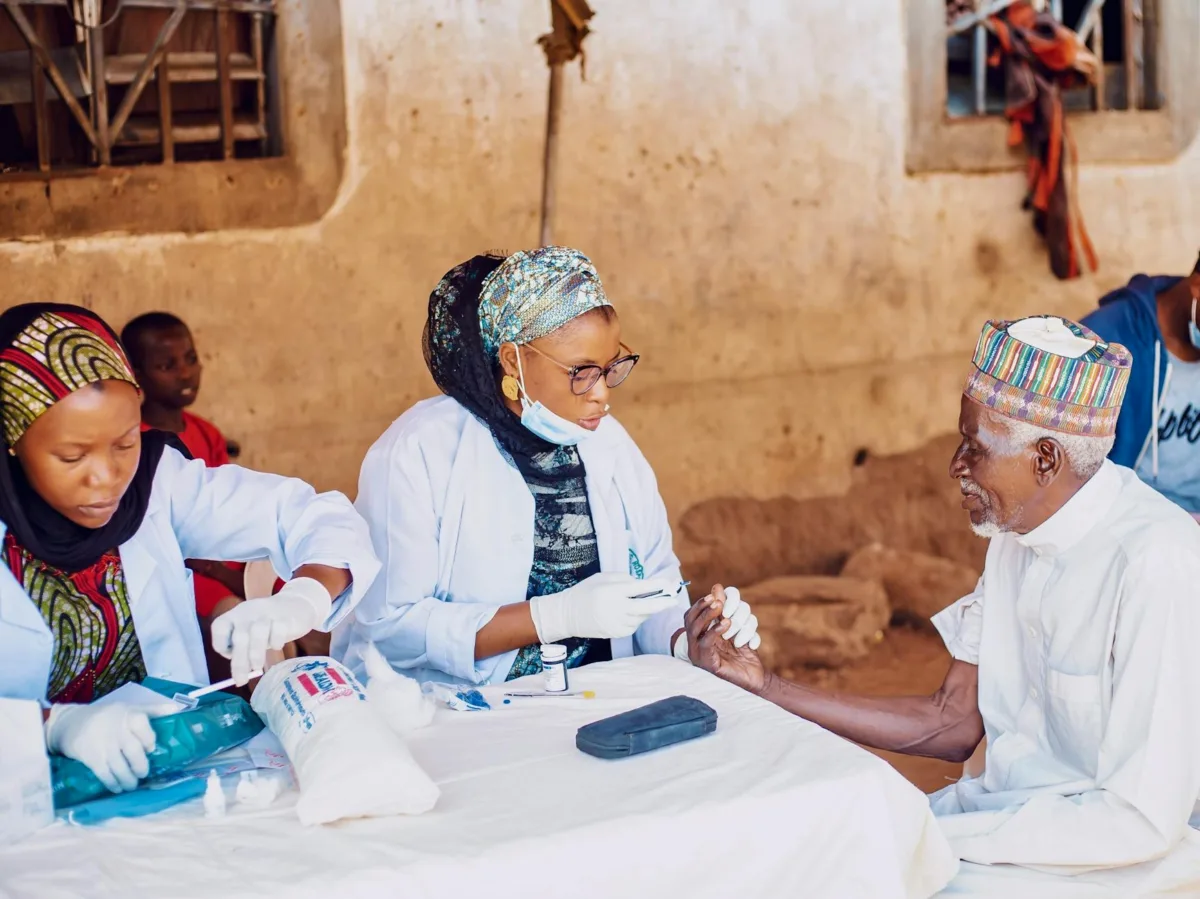
A severe outbreak of the Ebola virus has claimed 65 lives in the eastern region of the Democratic Republic of the Congo (DRC) as of early 2026, triggering an urgent international response. Health authorities, including the World Health Organization (WHO), have identified the rapid transmission of the Bundibugyo virus strain, which has now spread across local borders into neighboring Uganda. The surge in fatalities has overwhelmed regional healthcare infrastructure, prompting the WHO to convene an International Health Regulations (IHR) Emergency Committee to coordinate containment efforts.
The Growing Crisis and Regional Context
The current situation represents the third-largest Ebola outbreak in recorded history, creating a complex humanitarian challenge in a region already strained by instability. The virus, characterized by high mortality rates and rapid human-to-human transmission through bodily fluids, has historically been difficult to contain in densely populated or conflict-affected areas.
Reports from aid organizations indicate that local health facilities are operating at maximum capacity, with many turning away symptomatic patients due to a lack of isolation beds and medical supplies. The situation is further complicated by the tragic loss of frontline workers; recent reports from the BBC confirm that Red Cross volunteers have died from suspected Ebola, underscoring the extreme risks faced by those attempting to manage the epidemic.
Operational Challenges and Epidemiological Data
The rapid spread of the Bundibugyo virus has forced a shift in global health strategy. According to the WHO, the primary objective is to break the chain of transmission through aggressive contact tracing and the establishment of dedicated treatment centers. However, logistical hurdles in eastern DRC—such as limited road access and deep-seated community mistrust—hinder the delivery of vaccines and protective equipment.
Data from international aid monitoring groups suggest that the mortality rate is climbing faster than in previous localized outbreaks. The density of transit points between the DRC and Uganda has accelerated the geographical reach of the virus, making regional cooperation essential. Experts note that without a robust increase in international funding and specialized personnel, the containment window may close, leading to a broader epidemic.
Implications for Global Public Health
For the international community, this outbreak serves as a stark reminder of the vulnerability of regional health systems to emerging infectious diseases. The economic and social impact on the affected provinces is expected to be significant, as trade routes are disrupted and local markets shuttered to prevent mass gatherings.
Looking ahead, the focus will remain on the efficacy of experimental treatment protocols being deployed by the IHR Emergency Committee. Observers are closely monitoring whether the vaccination programs can keep pace with the virus’s spread. The coming weeks will be critical in determining if the intervention strategies can stabilize the infection rate or if the outbreak will evolve into a more prolonged regional health crisis that demands a sustained global mobilization of resources.