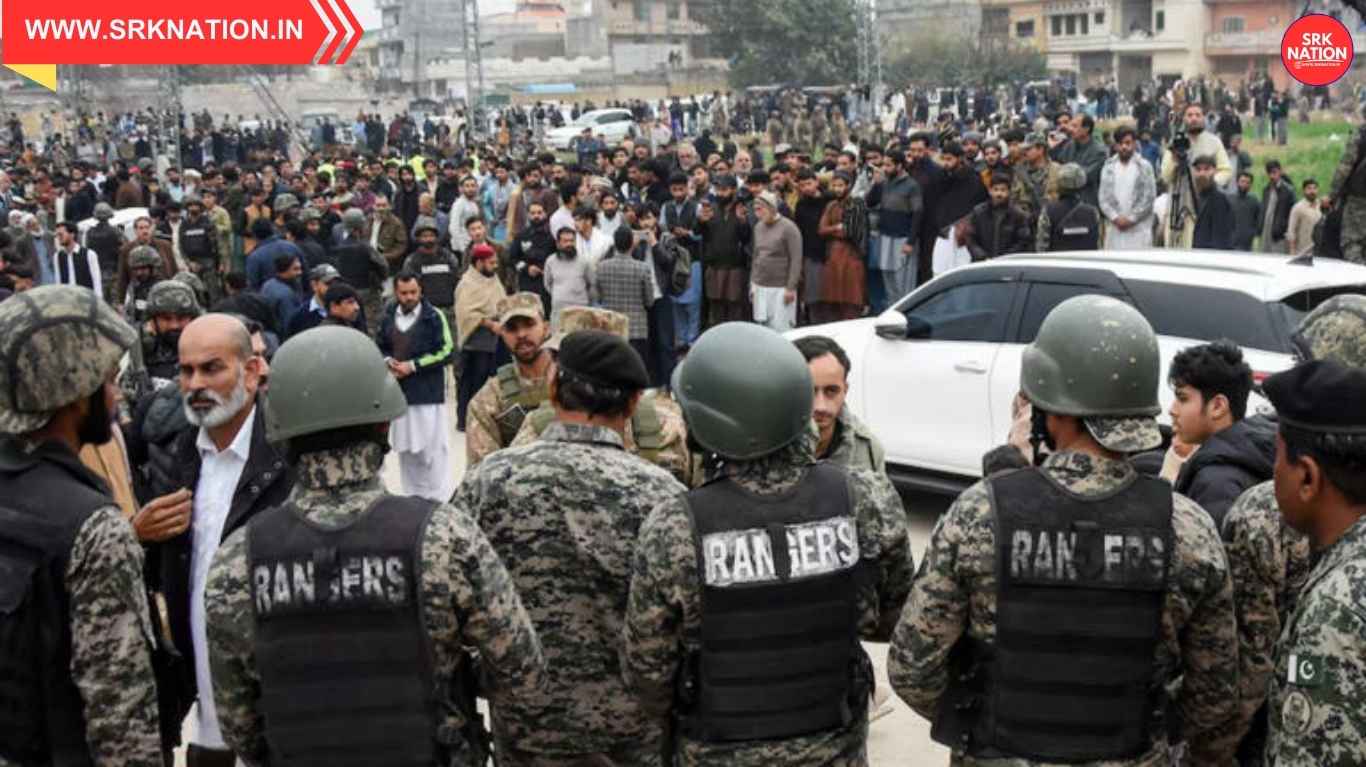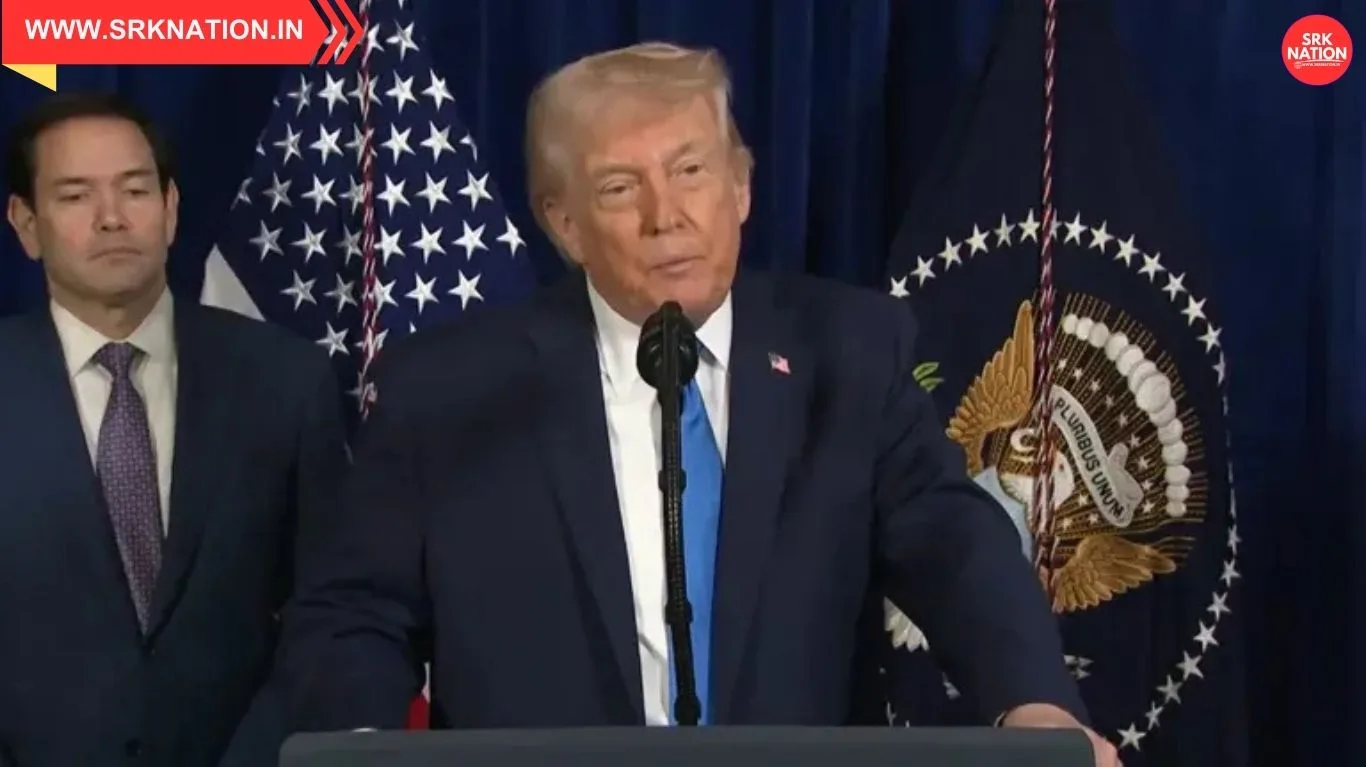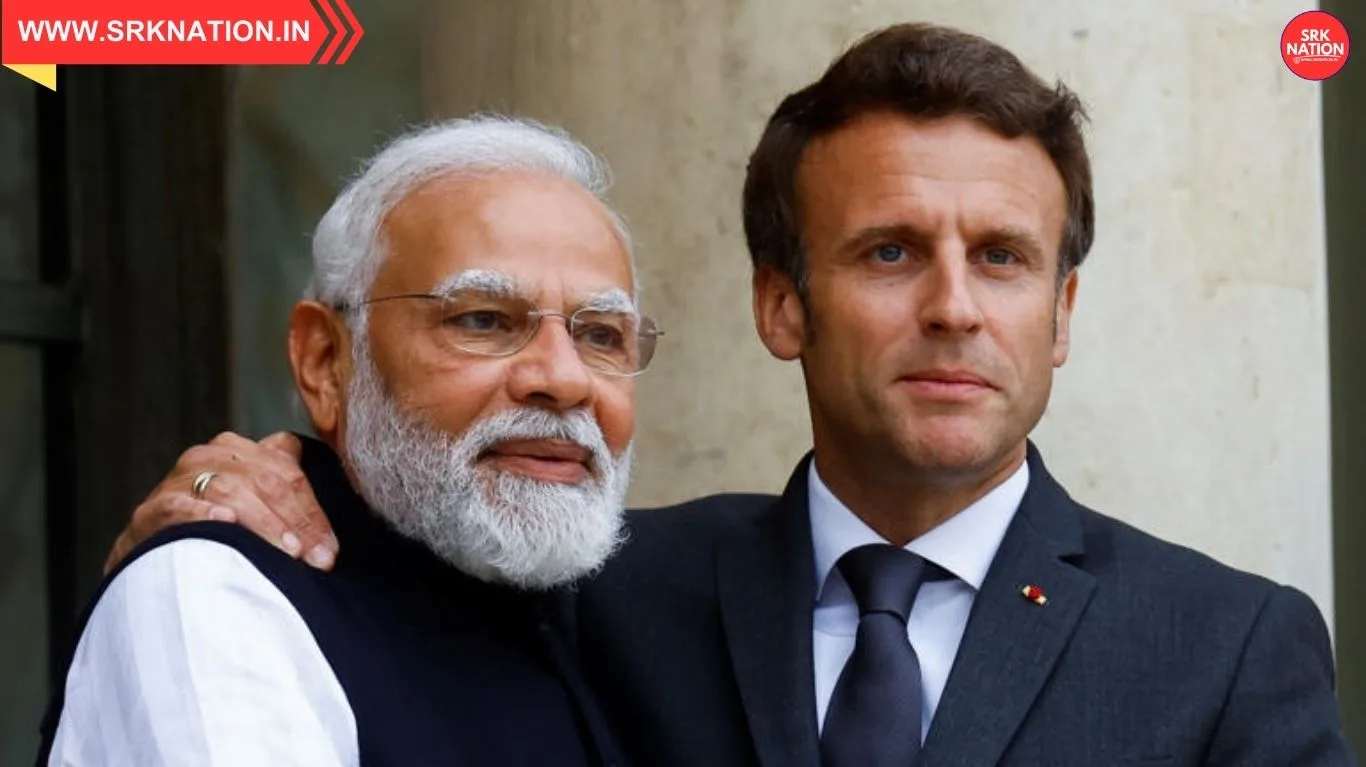



Pakistan has made bold headlines by announcing $8 billion worth of defence exports while simultaneously signaling its intent to move away from reliance on the International Monetary Fund (IMF). The declaration has sparked debates across economic, political, and strategic circles, with many questioning whether this is a genuine step toward economic independence or a carefully crafted optic to project strength amid financial challenges.
Background of Pakistan’s Defence Export Claim
- Pakistan’s defence industry has historically focused on producing arms, ammunition, and military equipment for domestic use and limited exports.
- The government’s claim of $8 billion in defence exports marks a significant leap compared to previous figures.
- Officials argue that the exports reflect Pakistan’s growing self-reliance and ability to compete in global defence markets.
- The announcement coincides with signals from Islamabad that it may reduce or end its reliance on IMF programs, which have long been a cornerstone of Pakistan’s economic survival.
Key Highlights of the Announcement
| Indicator | Details |
|---|---|
| Defence Export Value | $8 billion |
| Strategic Goal | Economic independence, reduced IMF reliance |
| Government Narrative | Self-reliance, global competitiveness |
| Public Reaction | Mixed—optimism among supporters, skepticism among critics |
| Broader Impact | Raises questions about sustainability and credibility of claims |
Defence Exports vs IMF Exit
| Factor | Defence Export Claim | IMF Exit Signal | Implication |
|---|---|---|---|
| Economic Independence | Projects strength through exports | Suggests reduced reliance on external loans | Boosts national pride but risks credibility |
| Global Perception | Positions Pakistan as defence exporter | Seen as bold but risky | May attract attention but raises doubts |
| Domestic Politics | Used to rally support | Signals sovereignty | Strengthens government narrative |
| Financial Reality | Questions about actual figures | IMF exit may strain reserves | Could expose vulnerabilities |
| Long-Term Outlook | Potential growth in defence industry | Risk of economic instability | Balance between optics and reality needed |
Why This Story Matters
- Economic Strategy: Pakistan’s claim reflects its desire to reshape its economic narrative.
- Global Defence Market: Positions Pakistan as a player in the competitive arms trade.
- IMF Relations: Signals a shift in Pakistan’s long-standing reliance on IMF bailouts.
- Public Sentiment: Raises hopes of independence but also skepticism about feasibility.
- Future Outlook: Could redefine Pakistan’s economic and strategic trajectory.
Defence Industry Growth
- Pakistan has invested in expanding its defence production capabilities, including aircraft, drones, and small arms.
- Partnerships with countries in Asia, Africa, and the Middle East have boosted export potential.
- The government claims that indigenous production reduces reliance on imports and strengthens national security.
- However, analysts caution that actual export figures may be inflated or based on long-term contracts rather than immediate revenue.
IMF Exit: Symbolism or Reality?
- Pakistan has relied on IMF programs for decades to stabilize its economy.
- The government’s signal of an IMF exit is seen as a symbolic assertion of sovereignty.
- Critics argue that Pakistan’s foreign reserves and fiscal deficits make IMF support essential.
- Without IMF backing, Pakistan may face challenges in managing debt repayments and currency stability.
Expert Opinions
- Economists: Stress that defence exports alone cannot replace IMF support.
- Strategists: Highlight the importance of diversifying exports beyond defence.
- Political Analysts: Note that the announcement may be aimed at boosting domestic morale.
- Global Observers: Question the credibility of the $8 billion figure.
Challenges Ahead
- Verification of Claims: Ensuring transparency in defence export figures.
- Economic Stability: Managing reserves and debt without IMF support.
- Global Competition: Competing with established defence exporters like the US, China, and Russia.
- Domestic Needs: Balancing defence production with civilian economic priorities.
- Public Trust: Convincing citizens that independence is achievable.
Opportunities for Pakistan
- Diversify Exports: Expand beyond defence into technology and agriculture.
- Strengthen Alliances: Use defence exports to build strategic partnerships.
- Boost Employment: Create jobs in manufacturing and related industries.
- Enhance Sovereignty: Reduce reliance on external loans and aid.
- Global Branding: Position Pakistan as a reliable defence supplier.
Broader Context of Pakistan’s Economy
- Pakistan’s economy has long struggled with deficits, inflation, and reliance on external loans.
- Defence exports provide a narrative of strength but may not address structural weaknesses.
- IMF programs have been both a lifeline and a source of criticism for Pakistan.
- The current announcement reflects a desire to break free from dependency but raises questions about feasibility.
Public Sentiment
- Supporters hailed the announcement as a sign of Pakistan’s resilience.
- Critics questioned the accuracy of the figures and the practicality of an IMF exit.
- Social media debates reflected both optimism and skepticism.
- Overall sentiment suggests cautious hope mixed with doubts about sustainability.
Media Coverage
- Headlines emphasized the $8 billion defence export claim.
- Analysts debated whether the IMF exit signal was realistic or symbolic.
- Coverage highlighted the broader implications for Pakistan’s economy and global standing.
- The story continues to dominate discussions in political and economic circles.
Conclusion
The claim of $8 billion defence exports and signals of an IMF exit by Pakistan represent a bold narrative of economic independence. While the announcement boosts national pride and projects strength, questions remain about the credibility of figures and the feasibility of managing without IMF support. For Pakistan, the challenge lies in balancing optics with reality, ensuring that aspirations of sovereignty are matched by sustainable economic strategies.
Disclaimer
This article is intended for informational purposes only and does not constitute financial or political endorsement. Economic strategies, defence export figures, and public sentiments are subject to change based on evolving circumstances. Readers are encouraged to follow official updates for accurate information. The author and publisher are not responsible for any decisions made based on this article.