




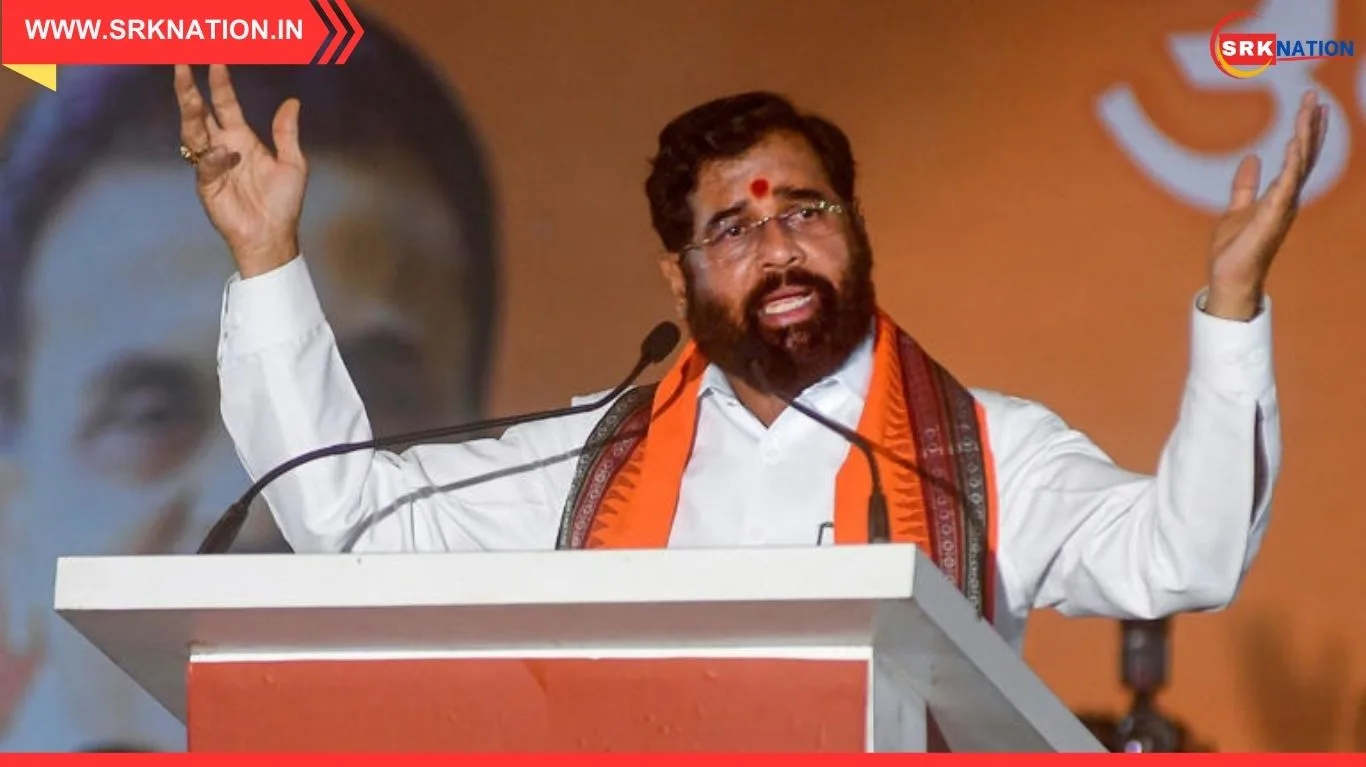
Maharashtra Chief Minister Eknath Shinde has announced a comprehensive new framework aimed at fast‑tracking the redevelopment of Mumbai’s ageing Pagdi buildings, marking one of the most significant policy interventions for tenants, landlords, and developers in decades. The move is expected to unlock thousands of dilapidated structures across the city, many of which are over 70–100 years old and pose serious safety risks.
The new framework seeks to simplify approvals, streamline coordination between stakeholders, and create a transparent mechanism for redevelopment under the Pagdi system—a unique tenancy model in Mumbai where tenants pay nominal rent while landlords retain ownership. For years, redevelopment of these buildings has been stuck due to legal complexities, disputes over rights, and lack of a unified policy.
Shinde emphasized that the government’s priority is to ensure safe housing, faster redevelopment, and fair rehabilitation for tenants while protecting the rights of landlords. The framework is expected to benefit lakhs of residents living in precarious structures across South Mumbai, Byculla, Girgaon, Dadar, Parel, and other older neighbourhoods.
🏙️ Why Redevelopment of Pagdi Buildings Is Crucial for Mumbai
Mumbai has more than 16,000 Pagdi buildings, many of which are structurally weak and beyond repair. These buildings often house lower‑income families who cannot afford to relocate or rebuild on their own.
Key challenges historically faced:
- Disputes between tenants and landlords
- Lack of clarity on redevelopment rights
- High cost of reconstruction
- Delays in municipal approvals
- Safety hazards due to ageing structures
The new framework aims to resolve these long‑standing issues through a structured, time‑bound, and transparent redevelopment process.
📊 Statistical Overview: Mumbai’s Pagdi Buildings
| Category | Details |
|---|---|
| Total Pagdi Buildings | 16,000+ |
| Average Age | 70–100 years |
| Key Locations | South Mumbai, Byculla, Parel, Dadar, Girgaon |
| Primary Stakeholders | Tenants, landlords, developers, BMC |
| Objective of New Framework | Fast‑track redevelopment & ensure safety |
🔍 Impact of the New Framework
| Factor | Impact on Tenants | Impact on Landlords | Impact on Developers |
|---|---|---|---|
| Faster Approvals | Quicker rehabilitation | Faster project initiation | Reduced delays |
| Clear Rights Structure | Protection of tenancy | Defined ownership rights | Transparent agreements |
| Incentives | Better housing quality | Fair compensation | Improved project viability |
| Safety Measures | Safer living conditions | Reduced liability | Compliance clarity |
| Financial Model | No extra burden | Revenue share clarity | Predictable cost structure |
🏗️ Key Features of the New Pagdi Redevelopment Framework
The government’s new policy introduces several reforms designed to accelerate redevelopment while ensuring fairness and transparency.
1. Single‑Window Clearance System
A dedicated portal will allow:
- Faster approval of redevelopment proposals
- Coordination between BMC, MHADA, and state departments
- Time‑bound processing of applications
This eliminates the bureaucratic delays that previously stalled projects for years.
2. Clear Definition of Tenant and Landlord Rights
The framework outlines:
- Eligibility criteria for tenants
- Compensation norms
- Rights of landlords during redevelopment
- Dispute‑resolution mechanisms
This clarity is expected to reduce litigation and conflicts.
3. Incentives for Developers
To encourage private participation, the government will offer:
- Additional FSI (Floor Space Index)
- Relaxed premium payments
- Faster environmental and civic approvals
These incentives make redevelopment financially viable for developers.
4. Safety‑First Approach
Given the fragile condition of many Pagdi buildings, the framework mandates:
- Immediate structural audits
- Temporary relocation for high‑risk buildings
- Strict compliance with safety norms
This ensures that residents are not exposed to life‑threatening conditions.
5. Transparent Rehabilitation Packages
Tenants will receive:
- Permanent ownership of redeveloped flats
- Transit accommodation or rent compensation
- No additional financial burden
This protects vulnerable families from displacement.
🏘️ How the Framework Benefits Mumbai Residents
1. Safer Homes
Thousands of families living in dangerous buildings will finally get structurally sound homes.
2. Better Living Standards
Redeveloped buildings will include:
- Modern amenities
- Fire‑safety systems
- Elevators
- Improved sanitation
3. Increased Property Value
Tenants who previously lived in rent‑controlled units will now own modern apartments.
4. Boost to Local Economy
Redevelopment projects generate:
- Employment
- Construction activity
- Increased demand for local services
🧭 Why the Pagdi System Needed Reform
The Pagdi system, unique to Mumbai, has existed since the British era. Under this model:
- Tenants pay nominal rent
- Landlords receive a one‑time premium (Pagdi)
- Tenants enjoy near‑permanent occupancy rights
However, this system created complications:
- Landlords lacked funds for repairs
- Tenants resisted redevelopment due to fear of displacement
- Developers avoided projects due to unclear rights
The new framework resolves these issues through structured guidelines.
🏛️ Government’s Vision: A Safer, Modern Mumbai
Chief Minister Eknath Shinde highlighted that the redevelopment of Pagdi buildings is part of a larger vision to transform Mumbai into a safer, modern, and resilient city. The government is simultaneously working on:
- Cluster redevelopment
- Slum rehabilitation
- Infrastructure upgrades
- Coastal road and metro expansion
The Pagdi redevelopment framework complements these initiatives by addressing one of the city’s most neglected housing segments.
🧩 Challenges Ahead
Despite the promising framework, several challenges remain:
- Ensuring cooperation between tenants and landlords
- Managing temporary relocation
- Preventing misuse of incentives
- Maintaining transparency in developer selection
- Monitoring construction quality
The government has assured that strict oversight mechanisms will be put in place.
🚀 Future Outlook
The new framework is expected to:
- Accelerate redevelopment of thousands of buildings
- Reduce the risk of building collapses
- Improve urban density management
- Enhance Mumbai’s skyline
- Strengthen the city’s disaster‑resilience
Experts believe that if implemented effectively, the policy could become a model for other Indian cities with ageing housing stock.
📝 Conclusion
Eknath Shinde’s unveiling of a fast‑track redevelopment framework for Mumbai’s Pagdi buildings marks a transformative moment for the city’s urban landscape. By simplifying approvals, clarifying rights, and incentivizing developers, the government has created a roadmap that balances safety, fairness, and growth.
For lakhs of Mumbai residents living in ageing structures, this framework offers hope—hope for safer homes, better living conditions, and a more secure future. As the city prepares for a new wave of redevelopment, the success of this policy will depend on collaboration, transparency, and sustained political will.
🛡️ Disclaimer
This article is based on publicly available information, government announcements, and verified reports. It is intended solely for informational and editorial purposes, offering insights into Mumbai’s Pagdi redevelopment framework and its implications for residents, landlords, and developers.