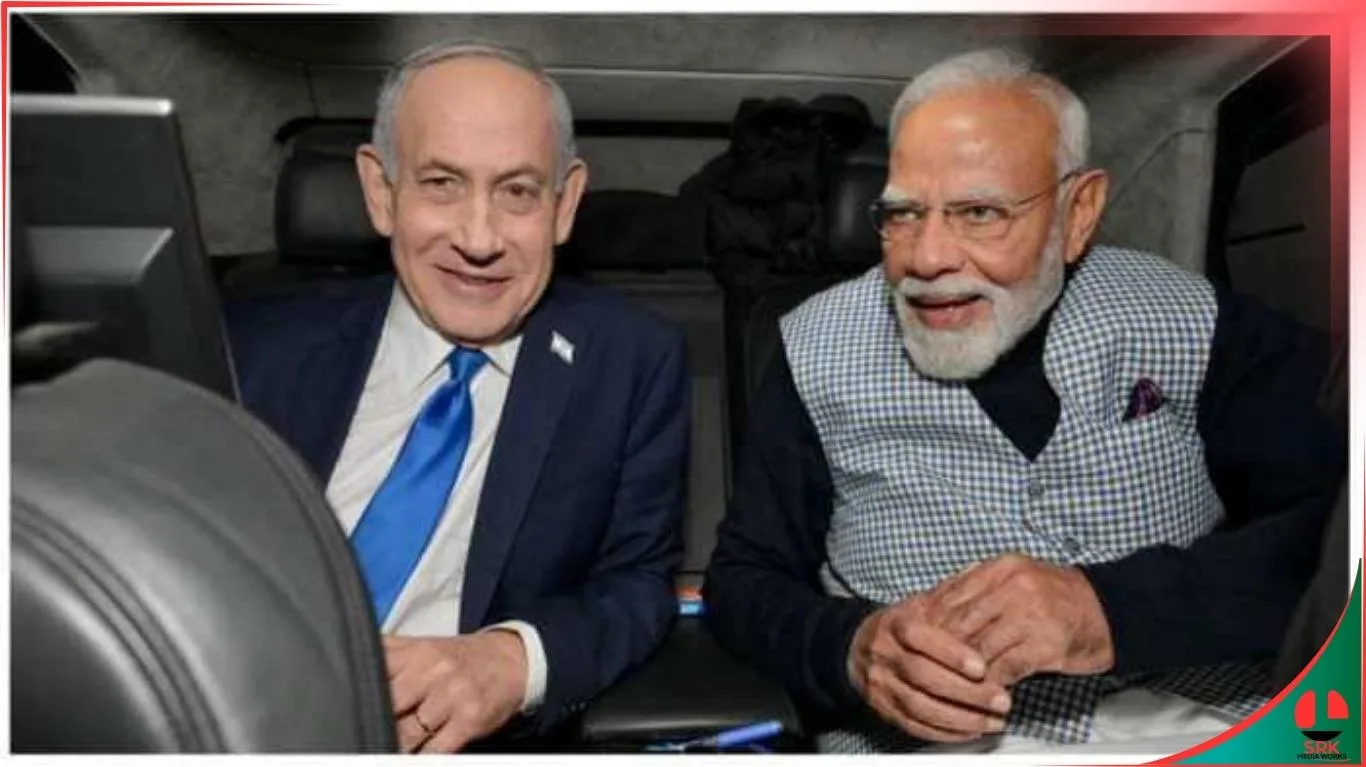
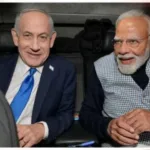
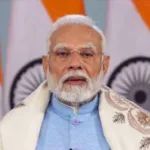
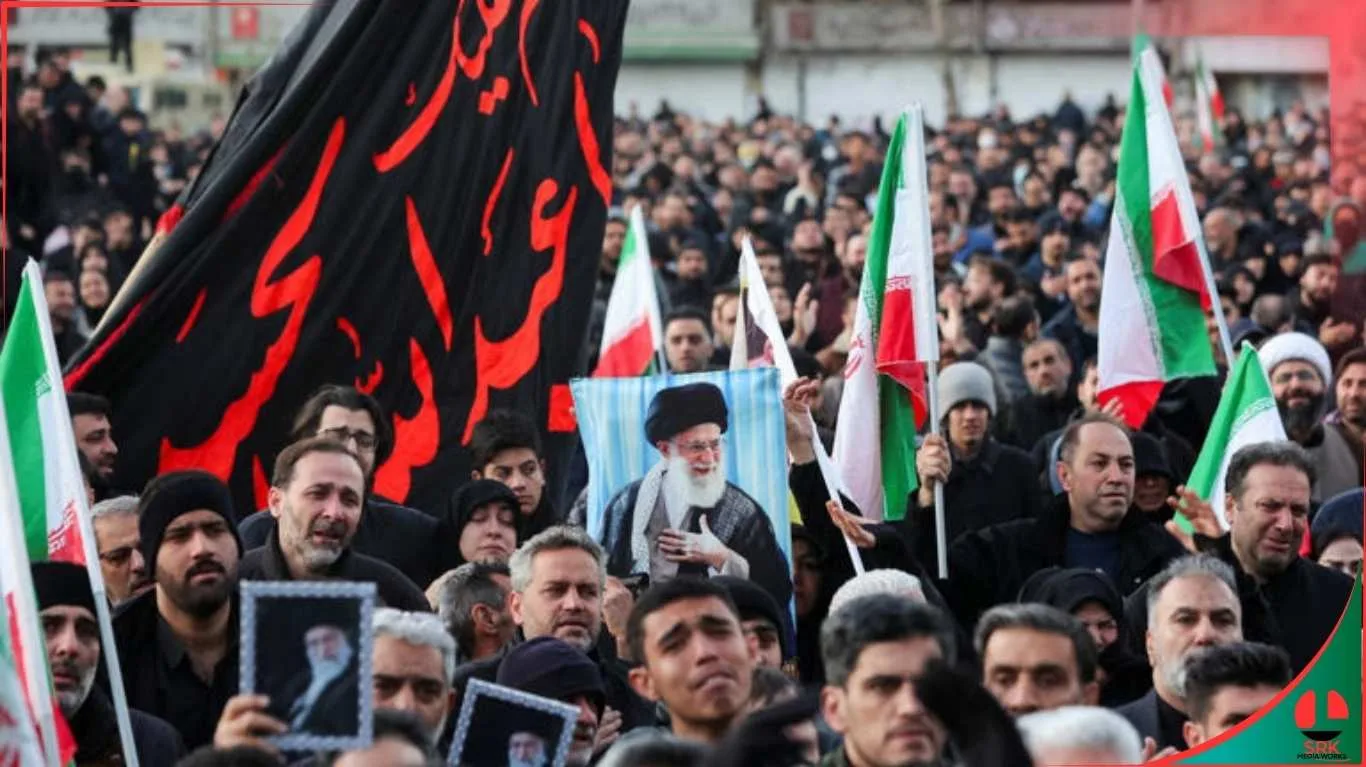
In a significant diplomatic development, Prime Minister Narendra Modi conveyed India’s strong condemnation of the recent attack on the United Arab Emirates (UAE) during his conversation with UAE President Sheikh Mohamed bin Zayed Al Nahyan (MBZ). The message from New Delhi underscores India’s commitment to supporting its strategic partner in the Gulf region and highlights the importance of regional stability amidst escalating tensions.
Background of the Attack
- Incident Details: The UAE was targeted in a hostile strike that raised concerns about regional security and civilian safety.
- Immediate Response: UAE authorities swiftly contained the situation, but the attack has drawn widespread international condemnation.
- India’s Position: PM Modi’s statement marks India’s first official signal of solidarity, emphasizing the need for peace and stability in the Gulf.
India–UAE Strategic Partnership
- Economic Ties: UAE is one of India’s largest trading partners, with bilateral trade exceeding $80 billion annually.
- Energy Security: India relies heavily on UAE for crude oil and energy cooperation.
- Diaspora Connection: Over 3.5 million Indians live and work in the UAE, strengthening cultural and social bonds.
- Defense Cooperation: India and UAE have expanded defense and counter-terrorism collaboration in recent years.
Comparative Analysis of India’s Diplomatic Signals
| Country | India’s Response | Strategic Importance |
|---|---|---|
| UAE | Strong condemnation, solidarity with MBZ | Energy, trade, diaspora |
| Saudi Arabia | Supportive statements in past crises | Oil supply, regional influence |
| Israel | Strategic defense cooperation | Technology, counter-terrorism |
| Iran | Balanced engagement | Energy, regional diplomacy |
Implications of PM Modi’s Statement
- Strengthening Ties: Reinforces India’s commitment to UAE as a trusted partner.
- Regional Stability: India’s stance adds weight to global calls for peace in the Gulf.
- Diaspora Assurance: Signals protection and concern for Indian citizens living in the UAE.
- Global Diplomacy: Positions India as a responsible stakeholder in international security.
Public and Expert Reaction
- Diplomatic Analysts: Viewed Modi’s statement as a timely and necessary signal of solidarity.
- Business Leaders: Welcomed India’s support, noting the importance of uninterrupted trade flows.
- Citizens: Expressed relief that India is actively engaging in protecting its diaspora and economic interests.
Lessons from the Incident
- Global Interdependence: Attacks in one region can have ripple effects across global trade and energy markets.
- Diplomatic Responsiveness: Quick statements of solidarity strengthen bilateral trust.
- Security Cooperation: Nations must enhance intelligence-sharing to prevent future incidents.
- Diaspora Protection: Governments must prioritize the safety of citizens abroad during crises.
Conclusion
The first signal from Delhi, with PM Modi telling MBZ that India strongly condemns the attack on UAE, reflects the depth of India–UAE relations. Beyond immediate solidarity, the statement underscores India’s broader role in promoting peace and stability in the Gulf region. As global attention remains fixed on the unfolding situation, India’s proactive diplomacy highlights its commitment to safeguarding both strategic interests and humanitarian values.
Disclaimer
This article is based on publicly available information and aims to highlight Prime Minister Narendra Modi’s statement to UAE President Sheikh Mohamed bin Zayed Al Nahyan regarding the recent attack on UAE. It does not intend to criticize or promote any individual, country, or organization. The content is for informational and educational purposes only, reflecting broader issues in diplomacy, security, and international relations.