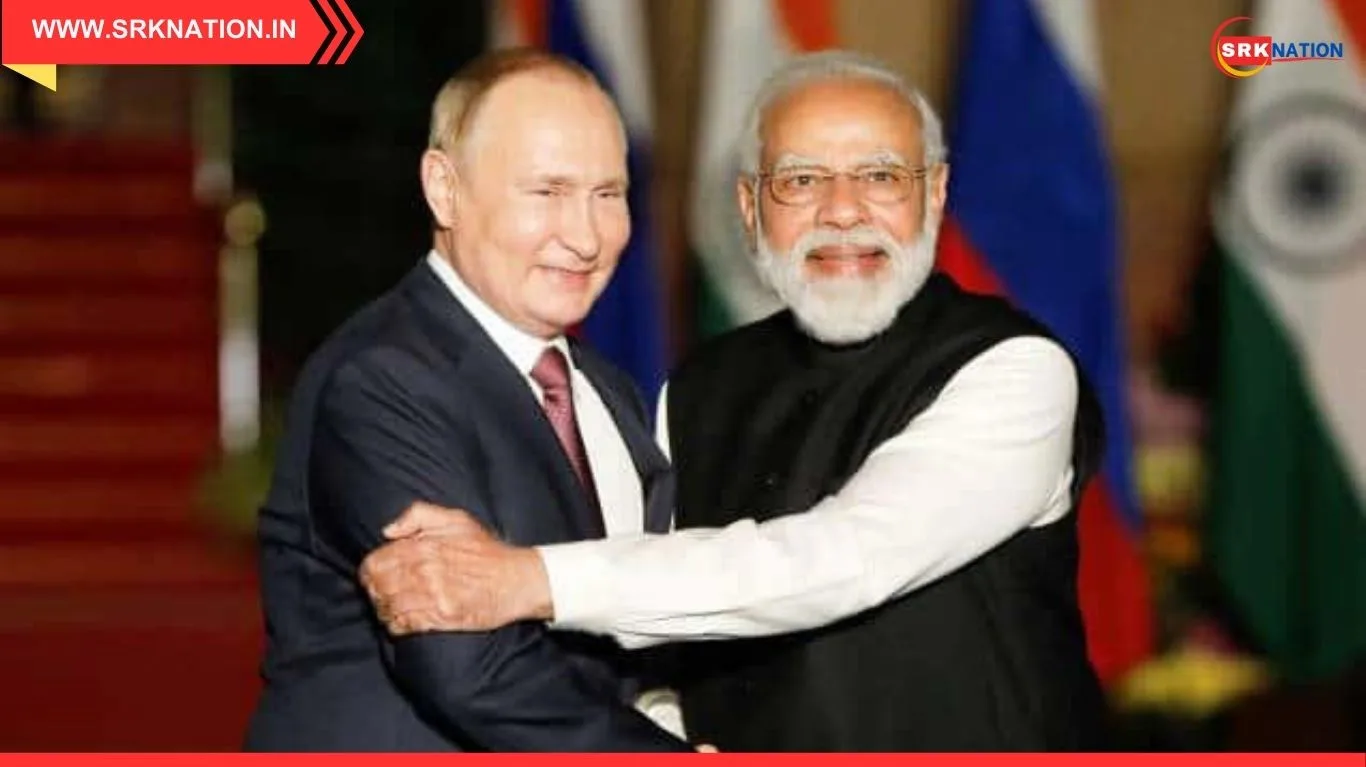
Russian President Vladimir Putin’s state visit to India has triggered widespread reactions across international media, with many outlets describing Prime Minister Narendra Modi’s diplomatic balancing act as a “tightrope walk.” The visit, which marks Putin’s first trip to New Delhi since the Ukraine war began in 2022, has drawn global attention due to its timing, optics, and implications for India’s foreign policy.
Western media, particularly in Europe and the United States, have highlighted the challenges Modi faces in maintaining India’s historic ties with Russia while simultaneously deepening strategic partnerships with the U.S. and EU. Commentators point out that India’s continued purchase of discounted Russian oil and defense cooperation with Moscow remain contentious issues for Western allies.
Chinese media, on the other hand, has framed the visit as evidence of the resilience of India-Russia ties, describing them as “strategic and resistant to external pressure.” Analysts in Beijing argue that the partnership reflects both nations’ intent to enhance autonomy in global affairs.
Key Highlights
- Putin’s India visit marks his first since the Ukraine war began.
- Western media stresses Modi’s “tightrope walk” between Russia and the West.
- European envoys have openly criticized Putin’s role in delaying peace talks.
- Chinese experts hail India-Russia ties as strategic and resilient.
- The visit includes discussions on trade, defense, nuclear cooperation, and energy.
Statistical Overview of India-Russia Relations
| Sector | Current Status | Key Agreements | Global Reactions |
|---|---|---|---|
| Energy | India imports discounted Russian oil | Long-term supply deals | Criticism from EU, U.S. |
| Defense | Russia remains major supplier | Joint production, technology transfer | Concerns over dependency |
| Nuclear Cooperation | Civil nuclear projects ongoing | Expansion of Kudankulam plant | Neutral global stance |
| Trade | Bilateral trade crossed $65 billion | Focus on rupee-ruble mechanism | Seen as lifeline for Russia |
Modi’s Tightrope Walk
| Factor | Challenge for India | Opportunity for India | Global Implications |
|---|---|---|---|
| Oil imports | Western criticism | Affordable energy security | Strains with EU, U.S. |
| Defense ties | Risk of sanctions | Access to proven systems | Questions on diversification |
| Strategic autonomy | Balancing alliances | Independent foreign policy | Reinforces multipolarity |
| Optics of visit | ICC warrant concerns | Showcase resilience | Global media scrutiny |
Western Media Reaction
Outlets in Europe and the U.S. have described Modi’s handling of Putin’s visit as a diplomatic balancing act. Editorials by European envoys in Indian media criticized Putin for prolonging the Ukraine conflict and delaying peace talks. Reports emphasize that India’s warm welcome to Putin, including Modi personally receiving him at Palam Air Force Base, sends a strong signal of continuity in ties despite Western sanctions.
Chinese Media Perspective
Chinese experts have praised the India-Russia partnership, calling it “highly strategic” and “resilient to external pressure.” Commentators argue that the coordination between the two nations reflects a shared intent to enhance autonomy in global affairs. Beijing views the visit as a reaffirmation of multipolarity, where India continues to assert independence in its foreign policy choices.
Indian Media Analysis
Indian outlets have highlighted both the opportunities and risks of the visit. While the partnership with Russia remains vital for energy and defense, analysts caution that over-reliance could expose India to sanctions or limit diversification. Commentators also note that Modi’s balancing act is aimed at preserving strategic autonomy while avoiding alienation from Western allies.
Extended Analysis
The visit underscores India’s unique position in global geopolitics. By engaging with Russia despite Western criticism, Modi signals that India will prioritize national interests over external pressure. At the same time, India continues to strengthen ties with the U.S., EU, and other partners, reflecting its multipolar approach.
The optics of the visit—Modi’s warm reception of Putin, bilateral agreements on energy and defense, and discussions on nuclear cooperation—highlight India’s determination to maintain a pragmatic relationship with Moscow. However, the criticism from Western media and envoys shows that this balancing act will remain under scrutiny.
Conclusion
Foreign media reactions to Putin’s India visit converge on one theme: Prime Minister Modi’s diplomatic tightrope walk. While Western outlets emphasize the risks of deepening ties with Moscow amid the Ukraine war, Chinese analysts celebrate the resilience of the partnership. For India, the challenge lies in balancing strategic autonomy with global expectations, ensuring that national interests remain paramount in a complex geopolitical environment.
Disclaimer
This article is based on publicly available international media reports, expert commentary, and geopolitical analysis. It is intended for informational and editorial purposes only, offering insights into foreign media reactions to Putin’s India visit and its implications for India’s foreign policy.