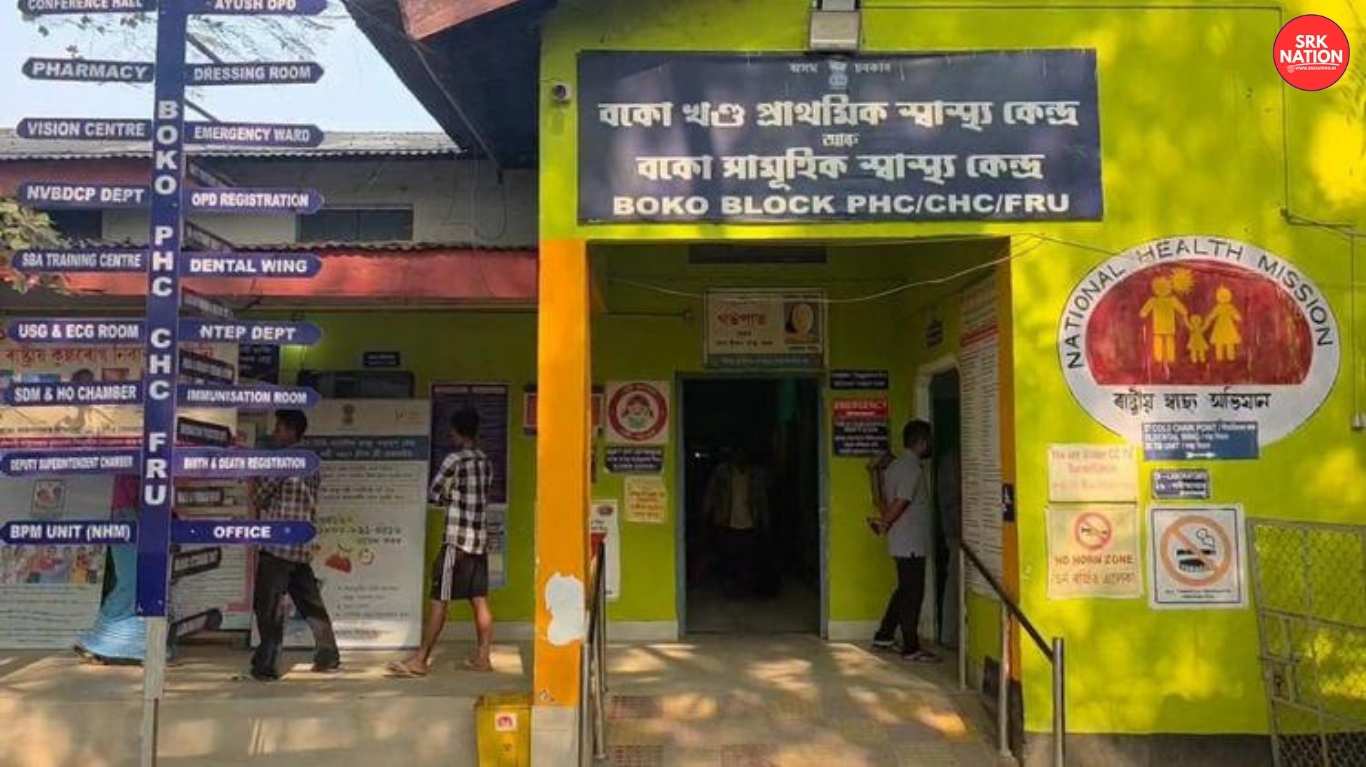






Congress leader Gaurav Gogoi has strongly condemned the alleged desecration incident in Nalbari, Assam, accusing a BJP minister of attempting to divert public attention from corruption charges by using communal forces. Gogoi’s remarks have sparked a heated political debate in Assam, with the opposition alleging that the ruling party is exploiting sensitive issues to cover up governance failures.
Background of the Nalbari Controversy
- Nalbari, a district in Assam, recently witnessed tensions following reports of desecration that triggered public outrage.
- Opposition leaders, including Gaurav Gogoi, have claimed that the incident was deliberately amplified to distract from corruption allegations against a BJP minister.
- Gogoi’s statement reflects the Congress party’s broader strategy of highlighting governance and accountability issues in Assam.
- The controversy has reignited discussions about the intersection of politics, communal narratives, and corruption in the state.
Key Highlights of Gogoi’s Statement
| Indicator | Details |
|---|---|
| Leader | Gaurav Gogoi, Congress |
| Location | Nalbari, Assam |
| Issue | Desecration incident |
| Allegation | BJP minister using communal forces to shield corruption |
| Broader Impact | Political tensions, communal sensitivity, governance debate |
Governance vs Communal Narratives
| Factor | Governance Focus | Communal Narrative | Implication |
|---|---|---|---|
| Public Accountability | Highlights corruption and mismanagement | Diverts attention from governance failures | Weakens trust in institutions |
| Political Strategy | Opposition demands transparency | Ruling party accused of exploiting sentiments | Intensifies rivalry |
| Social Impact | Citizens demand justice and reforms | Communities polarized | Risk of unrest |
| Long-Term Outcome | Strengthened democracy if addressed | Erosion of trust if ignored | Critical for stability |
Why Gogoi’s Allegations Matter
- Accountability: Gogoi’s remarks underline the importance of holding ministers accountable for corruption.
- Communal Sensitivity: The alleged use of communal forces raises concerns about social harmony in Assam.
- Political Strategy: The Congress party is positioning itself as a defender of governance and secular values.
- Public Trust: Citizens are increasingly wary of political tactics that exploit sensitive issues.
Assam’s Political Context
| Attribute | Details |
|---|---|
| Ruling Party | Bharatiya Janata Party (BJP) |
| Opposition | Congress, regional parties |
| Key Issues | Corruption, communal harmony, development |
| Nalbari Incident Impact | Sparked political and social debate |
| Future Outlook | Likely to influence upcoming elections |
Assam’s political landscape has often been shaped by issues of identity, communal narratives, and governance. The Nalbari incident adds another layer to this complex dynamic.
Expert Opinions
- Political Analysts: Suggest that Gogoi’s remarks are part of a larger opposition strategy to corner the BJP on corruption.
- Social Commentators: Warn that communal narratives can destabilize social harmony if not addressed responsibly.
- Economists: Emphasize that corruption allegations must be investigated to ensure development goals are met.
- Citizens: Express concern over the politicization of sensitive issues.
Challenges Ahead
- Maintaining Harmony: Ensuring communal tensions do not escalate further.
- Investigating Corruption: Transparent probes into allegations against ministers.
- Political Polarization: Managing rivalry between ruling and opposition parties.
- Public Confidence: Restoring trust in governance and institutions.
Opportunities for Assam
- Strengthening Institutions: Transparent investigations can reinforce democratic accountability.
- Promoting Unity: Leaders can focus on communal harmony to prevent polarization.
- Development Focus: Redirecting attention to infrastructure, education, and healthcare.
- Political Reform: Encouraging clean politics and reducing reliance on divisive narratives.
Broader Context of Governance and Communal Politics
- Across India, opposition parties often accuse ruling governments of using communal issues to distract from governance failures.
- The Nalbari incident reflects this broader trend, where corruption allegations are intertwined with sensitive social narratives.
- Gogoi’s remarks highlight the need for a balanced approach that prioritizes accountability while safeguarding communal harmony.
- The debate underscores the importance of transparency and integrity in political leadership.
Public Sentiment
- Citizens in Nalbari and beyond have expressed mixed reactions, with some supporting Gogoi’s call for accountability and others defending the ruling party.
- Social media discussions reveal growing frustration over corruption and the politicization of communal issues.
- Many citizens demand that leaders focus on development rather than divisive tactics.
- Overall sentiment reflects concern about governance and the need for responsible politics.
Conclusion
The remarks by Gaurav Gogoi accusing a BJP minister of using communal forces to shield corruption in Nalbari have intensified political tensions in Assam. The incident highlights the delicate balance between governance, accountability, and communal harmony. As the debate continues, the focus must remain on transparent investigations, responsible leadership, and prioritizing the welfare of citizens. Gogoi’s statement serves as a reminder that corruption and divisive politics can undermine public trust, making it essential for leaders to uphold integrity and unity in governance.
Disclaimer
This article is intended for informational purposes only and does not constitute political or legal advice. Political statements, governance issues, and public sentiments are subject to change based on evolving circumstances. Readers are encouraged to follow official updates for accurate information. The author and publisher are not responsible for any decisions made based on this article.