






Escalating Maritime Threats
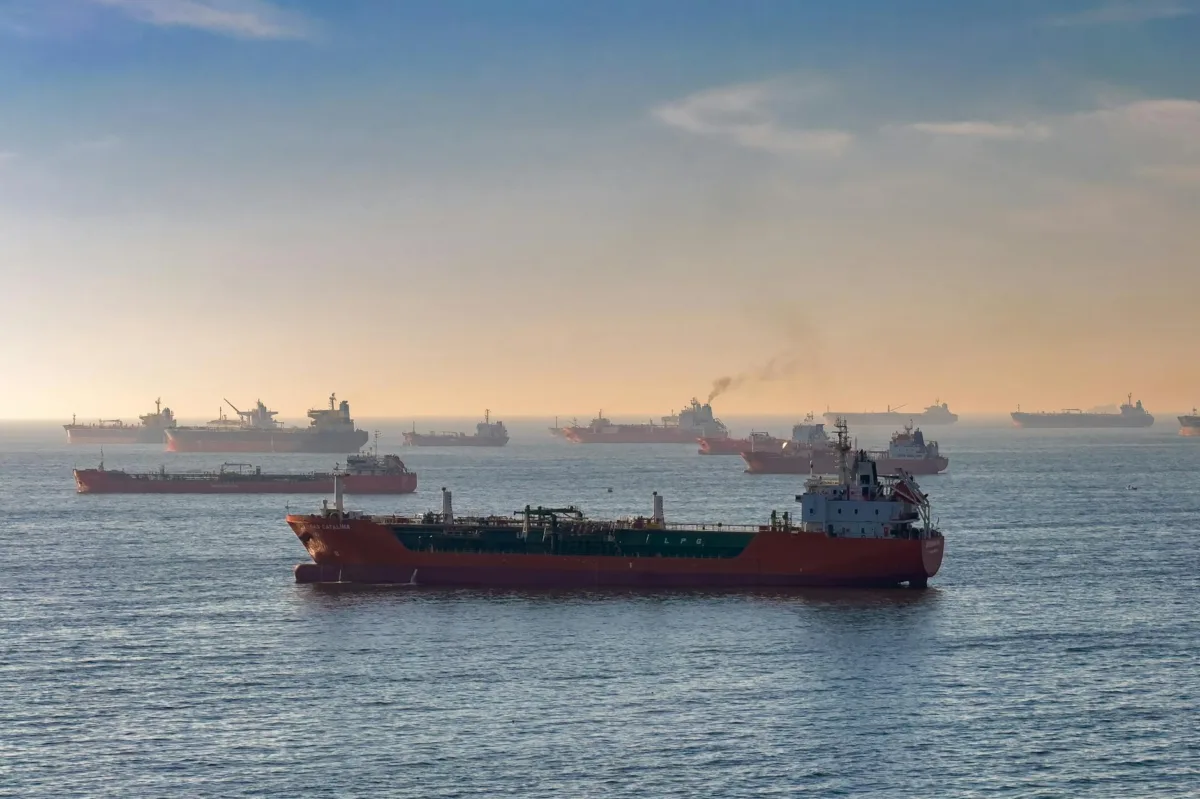
New, coordinated attacks on commercial shipping vessels near the Strait of Hormuz have triggered an urgent international response, occurring simultaneously as former President Donald Trump held high-level discussions regarding potential conflict with Iran during a summit with China’s President Xi Jinping in Beijing. The proximity of these maritime disruptions to critical global energy chokepoints has intensified fears of a broader regional conflict, forcing global leaders to re-evaluate security protocols in the Middle East.
Contextualizing the Strait of Hormuz
The Strait of Hormuz serves as the world’s most vital oil transit point, with approximately 21 million barrels of oil passing through the narrow waterway daily. Any instability in this region historically leads to immediate spikes in global energy prices and risks disrupting international trade routes.
These recent attacks follow a period of heightened friction between Washington and Tehran, characterized by increased naval posturing and the enforcement of economic sanctions. The timing of these events during the Trump-Xi summit adds a complex layer of diplomatic urgency, as the United States seeks to leverage its relationship with Beijing to manage Iranian influence.
The US-China Diplomatic Balancing Act
During the summit in Beijing, President Xi Jinping welcomed the American delegation, emphasizing a desire for cooperation despite deep-seated structural disagreements. However, discussions were reportedly dominated by the volatile security environment in the Middle East and the looming threat of a direct confrontation between the US and Iran.
Analysts note that China, as a major consumer of Iranian energy, holds significant diplomatic leverage that the US is keen to utilize. President Xi’s directive to “make it work” during the meetings signals a cautious approach to maintaining bilateral stability, even as the two superpowers clash on regional security strategies.
Strategic Implications and Military Readiness
Defense experts are currently debating the sustainability of US military engagement in the region, particularly if a conflict with Iran were to escalate while tensions over Taiwan remain high. Data from recent defense reports suggest that the logistical strain of maintaining a two-front strategic posture could test the limits of US naval production and supply chain resilience.
The possibility of a protracted conflict has led to renewed scrutiny of the US military’s precision strike capabilities and its ability to defend commercial shipping lanes against asymmetric warfare tactics, such as drone strikes and fast-attack craft. Industry analysts suggest that the maritime security sector may see a rapid increase in demand for automated defense systems and enhanced satellite surveillance to monitor the Strait of Hormuz.
Future Outlook and Market Stability
Observers should watch for upcoming statements from the United Nations Security Council regarding the enforcement of maritime passage laws in the Gulf. Additionally, the outcome of the ongoing US-China dialogue will likely dictate the diplomatic trajectory for the next fiscal quarter, as markets brace for potential volatility in the energy and shipping sectors.
The coming weeks will be critical in determining whether these attacks represent a localized escalation or a precursor to a more expansive, multi-regional security crisis that could permanently alter global trade dynamics.