


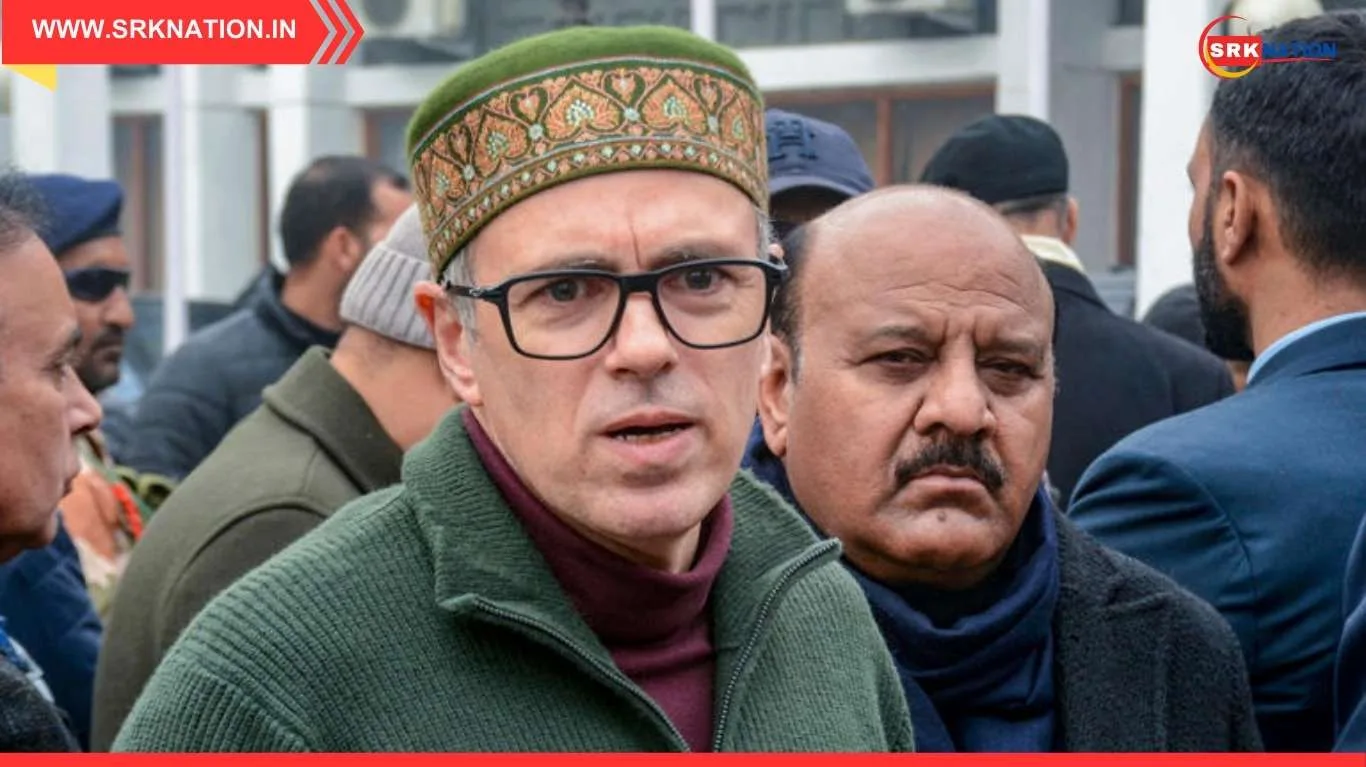
Former Jammu and Kashmir Chief Minister Omar Abdullah has raised sharp concerns over reports of a BJP MLA allegedly interfering in the functioning of a hydroelectric project, questioning the propriety of political intervention in technical and administrative matters. Omar’s remarks, framed with the pointed phrase “Had it been my minister…”, underline the political sensitivities surrounding infrastructure projects in the region and the broader debate about governance, accountability, and political influence.
Background of the Controversy
- Reports surfaced that a BJP MLA had allegedly intervened in the operations of a hydroelectric project, raising questions about political overreach.
- Omar Abdullah, reacting to the issue, suggested that if such interference had occurred during his tenure, it would have sparked widespread criticism.
- His statement highlights the double standards often perceived in political discourse, where opposition leaders face scrutiny while ruling party members are shielded.
- The controversy has reignited debates about the role of elected representatives in technical projects and the need for clear boundaries between politics and administration.
Omar Abdullah’s Statement
| Aspect | Omar’s View | Implication |
|---|---|---|
| Political Accountability | “Had it been my minister…” | Suggests double standards in criticism |
| Governance Concerns | Questions MLA’s role in technical matters | Highlights need for administrative autonomy |
| Public Interest | Emphasizes transparency in infrastructure projects | Calls for scrutiny of political influence |
| Broader Message | Warns against politicization of development | Reinforces governance integrity |
Hydroelectric Projects in Jammu & Kashmir
- Hydroelectric power is a critical component of Jammu & Kashmir’s energy strategy, given the region’s abundant water resources.
- Projects are often sensitive due to environmental concerns, local community interests, and strategic importance.
- Political interference in such projects can delay implementation, raise questions of favoritism, and undermine public trust.
- The controversy underscores the importance of keeping technical projects free from political maneuvering.
Political Reactions
- Opposition leaders: Supported Omar’s concerns, demanding transparency and accountability.
- BJP representatives: Defended the MLA, suggesting that elected officials have a role in ensuring local interests are protected.
- Civil society groups: Called for clearer guidelines to prevent political overreach in technical projects.
- Public sentiment: Divided, with some supporting political involvement for local accountability and others criticizing interference.
Comparative Analysis of Political Interference in Infrastructure
| Region/Project | Incident | Outcome | Lessons |
|---|---|---|---|
| Jammu & Kashmir | Alleged MLA interference in hydro project | Sparked political debate | Need for boundaries |
| Himachal Pradesh | Political disputes over dam projects | Delays in implementation | Importance of technical autonomy |
| Uttarakhand | Local leaders influencing hydro projects | Environmental concerns raised | Balance between politics and science |
| Northeast India | Political tussles over power projects | Mixed outcomes | Transparency essential |
Expert Opinions
- Energy analysts: Stress that hydroelectric projects require technical expertise and minimal political interference.
- Governance experts: Highlight the need for clear demarcation between political oversight and administrative autonomy.
- Environmentalists: Warn that political meddling can compromise environmental safeguards.
- Public policy commentators: Suggest that controversies like these erode public trust in governance.
Challenges Highlighted
- Administrative Autonomy: Ensuring technical experts can operate without undue political pressure.
- Public Trust: Maintaining confidence in infrastructure projects.
- Political Accountability: Holding elected representatives responsible for overreach.
- Project Implementation: Preventing delays caused by political disputes.
Opportunities for Improvement
- Clear Guidelines: Define roles of politicians in infrastructure oversight.
- Transparency Mechanisms: Public disclosure of project decisions to prevent suspicion.
- Community Engagement: Structured forums for local concerns without disrupting technical processes.
- Independent Oversight: Establish watchdog bodies to monitor political influence in projects.
Broader Implications
- The controversy reflects broader tensions between politics and governance in India.
- Infrastructure projects often become battlegrounds for political narratives, overshadowing technical priorities.
- Omar Abdullah’s remarks highlight the need for consistency in accountability across political parties.
- The incident may prompt calls for reforms in how political leaders engage with development projects.
Public Sentiment in Jammu & Kashmir
- Many citizens expressed concern about political interference in projects critical to the region’s development.
- Some defended the MLA, arguing that local representatives must ensure community interests are safeguarded.
- Others echoed Omar’s view, pointing out double standards in political criticism.
- The debate reflects broader anxieties about governance integrity and development priorities.
Conclusion
The controversy over a BJP MLA allegedly interfering in a hydroelectric project has sparked sharp reactions, with Omar Abdullah’s statement—“Had it been my minister…”—bringing attention to perceived double standards in political accountability. The incident underscores the importance of maintaining administrative autonomy, ensuring transparency, and preventing politicization of technical projects. As Jammu & Kashmir continues to rely on hydroelectric power for its energy future, the lessons from this debate will shape governance practices and public trust in development initiatives.
Disclaimer
This article is intended for informational purposes only and does not constitute political or legal advice. Infrastructure projects and political developments are subject to evolving circumstances, government policies, and regional dynamics. Readers are encouraged to follow official updates for accurate information. The author and publisher are not responsible for any decisions made based on this article.