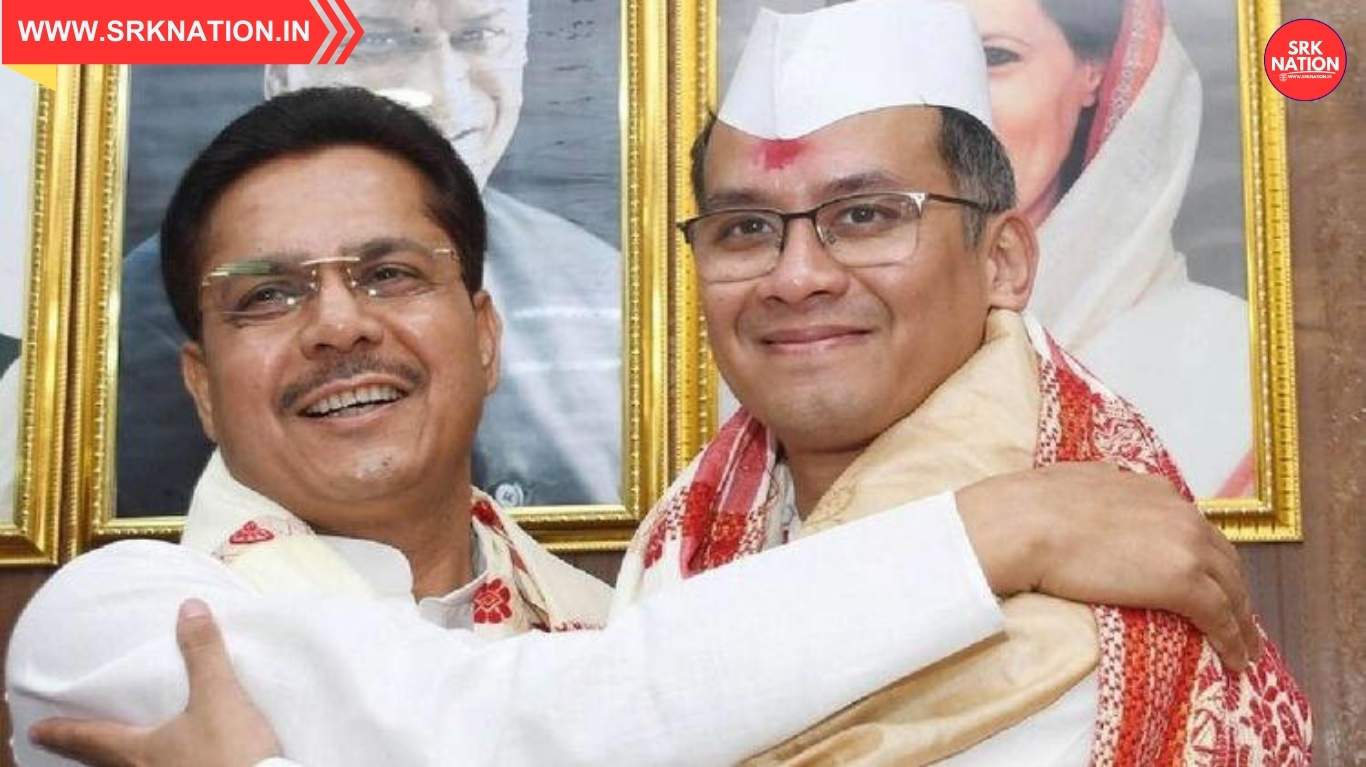




A fresh political storm has erupted in Assam after Congress leader Gaurav Gogoi accused Chief Minister Himanta Biswa Sarma of stoking conflict between six communities seeking Scheduled Tribe (ST) status and the existing ST groups. Gogoi’s remarks have intensified the debate around identity, representation, and rights in the state, highlighting the complexities of Assam’s socio-political landscape.
The ST Demand In Assam
Assam has long witnessed demands from multiple communities for inclusion in the Scheduled Tribe category.
- Six Communities Seeking ST Status: Tai Ahom, Moran, Motok, Koch Rajbongshi, Chutia, and Tea Tribes.
- Existing ST Groups: Bodo, Mising, Karbi, Rabha, Dimasa, and others.
- Historical Context: The demand for ST status has been pending for decades, with communities arguing for recognition of their cultural and socio-economic disadvantages.
- Political Sensitivity: The issue directly impacts electoral politics, resource allocation, and representation in government institutions.
Key Highlights Of The Controversy
| Aspect | Details | Impact |
|---|---|---|
| Accusation | Gaurav Gogoi alleges CM Sarma stoking conflict | Sparks political debate |
| Communities Involved | Six seeking ST status vs existing STs | Heightens tensions |
| Political Context | Assam’s identity politics | Electoral implications |
| Government Position | Yet to finalize ST inclusion | Uncertainty persists |
| Public Sentiment | Divided | Concerns over fairness & representation |
Gaurav Gogoi’s Allegations
Gaurav Gogoi, a prominent Congress MP, accused the Assam Chief Minister of:
- Creating Divisions: Allegedly pitting six communities against existing ST groups.
- Political Motives: Suggesting the move is aimed at electoral gains rather than genuine welfare.
- Ignoring Consensus: Claiming the government has failed to build a broad agreement among stakeholders.
- Risking Social Harmony: Warning that such actions could destabilize Assam’s delicate ethnic balance.
Communities And Their ST Demand
| Community | Current Status | Demand | Concerns From Existing STs |
|---|---|---|---|
| Tai Ahom | OBC | ST inclusion | Fear of reduced quotas |
| Moran | OBC | ST inclusion | Resource competition |
| Motok | OBC | ST inclusion | Political representation |
| Koch Rajbongshi | OBC | ST inclusion | Cultural recognition |
| Chutia | OBC | ST inclusion | Reservation overlap |
| Tea Tribes | OBC | ST inclusion | Employment opportunities |
Existing ST Groups’ Concerns
The current ST communities have expressed apprehensions:
- Quota Dilution: Fear that inclusion of new groups will reduce their share in reservations.
- Resource Competition: Concerns over access to government schemes and benefits.
- Political Representation: Anxiety about losing influence in legislative bodies.
- Cultural Identity: Worry that their distinctiveness may be overshadowed.
Government’s Position
The Assam Government has maintained that:
- Consultations Are Ongoing: Discussions with stakeholders continue.
- Commitment To Welfare: The government claims it is committed to protecting all communities.
- Central Role: Final decision rests with the Union Government and Parliament.
- Balancing Act: Efforts are being made to balance demands with existing rights.
Political Reactions
- Congress: Accuses the BJP-led government of divisive politics.
- BJP: Defends its stance, claiming it is working toward inclusivity.
- Regional Parties: Responses vary, with some supporting inclusion and others opposing it.
- Civil Society: Calls for dialogue and consensus-building.
Public Sentiment
- Supporters Of Inclusion: Argue that the six communities deserve recognition and benefits.
- Opponents: Fear dilution of existing ST rights and benefits.
- Neutral Observers: Emphasize the need for balanced policies that ensure fairness.
- Social Media: Flooded with debates, memes, and opinion polls reflecting divided views.
Expert Opinions
- Political Analysts: Suggest the issue could reshape Assam’s electoral dynamics.
- Economists: Note that inclusion impacts welfare distribution and fiscal planning.
- Legal Experts: Highlight constitutional complexities in granting ST status.
- Global Observers: Point out that Assam’s ethnic diversity makes the issue particularly sensitive.
Challenges Ahead
- Consensus Building: Ensuring agreement among all communities.
- Legal Framework: Navigating constitutional provisions for ST inclusion.
- Social Harmony: Preventing ethnic tensions and conflicts.
- Administrative Efficiency: Implementing changes without disrupting governance.
Future Outlook
- Short-Term: Continued debates and consultations among stakeholders.
- Medium-Term: Possible legislative action to address demands.
- Long-Term: Assam’s identity politics will remain shaped by ethnic and community concerns.
- Electoral Impact: The issue could influence upcoming elections in the state.
Conclusion
The accusation by Gaurav Gogoi that Himanta Biswa Sarma is stoking conflict between six communities seeking ST status and existing STs underscores the complexities of Assam’s socio-political fabric. The debate reflects the challenges of balancing recognition, representation, and resource allocation in a diverse state.
For policymakers, it is a test of governance. For communities, it is a struggle for identity and rights. And for Assam, it is another chapter in its ongoing dialogue about ethnicity, inclusion, and democracy.
Disclaimer: This article is based on publicly available political updates, expert commentary, and media analysis. Readers are advised to follow official government and party statements for detailed information.