


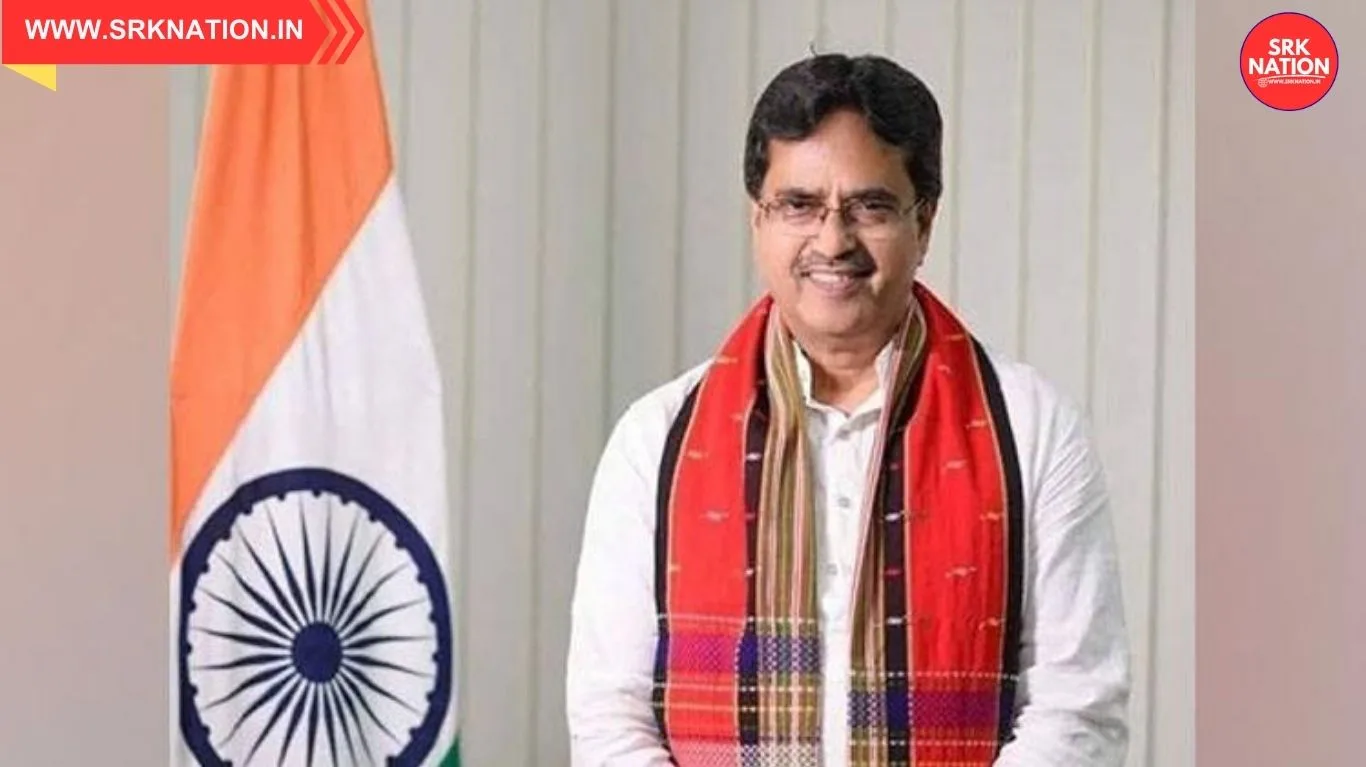
Tripura Chief Minister has expressed confidence that India-Bangladesh relations will strengthen further after the elections in Bangladesh, highlighting the deep-rooted cultural, economic, and strategic ties between the two neighbors. His remarks come at a crucial time when both countries are navigating regional challenges, cross-border cooperation, and evolving geopolitical dynamics. The statement underscores the importance of maintaining continuity in bilateral relations, regardless of political transitions.
Historical Context of India-Bangladesh Relations
India and Bangladesh share a unique relationship shaped by history, geography, and culture. Since Bangladesh’s independence in 1971, India has played a pivotal role in supporting its development and security. Over the decades, cooperation has expanded across multiple sectors:
- Trade and Commerce: India is one of Bangladesh’s largest trading partners.
- Connectivity Projects: Road, rail, and waterways link the two nations.
- Security Cooperation: Joint efforts to combat terrorism and cross-border crime.
- Cultural Exchange: Shared heritage and linguistic ties strengthen people-to-people bonds.
Tripura’s Strategic Role
Tripura, a northeastern state of India, shares a long border with Bangladesh. Its geographical position makes it a gateway for cross-border trade and cultural exchange. The Chief Minister’s statement reflects Tripura’s vested interest in stronger ties:
- Border Trade: Tripura benefits from cross-border markets and trade routes.
- Connectivity Projects: Highways and railways linking Tripura to Bangladesh enhance regional integration.
- Cultural Affinity: Shared traditions and language foster close ties between communities.
Key Areas of Cooperation
| Sector | Current Status | Future Potential |
|---|---|---|
| Trade | Growing bilateral trade | Expansion through border haats and SEZs |
| Connectivity | Road, rail, and waterways operational | Enhanced multimodal transport |
| Energy | Power exports from India to Bangladesh | Renewable energy collaboration |
| Security | Joint patrols and intelligence sharing | Strengthened counter-terrorism measures |
| Culture | Festivals, language, and heritage | Increased tourism and cultural programs |
Economic Implications
Stronger ties post-elections could lead to:
- Boost in Trade: Expansion of border haats and reduction of trade barriers.
- Investment Opportunities: Joint ventures in manufacturing and services.
- Infrastructure Growth: Enhanced connectivity projects benefiting both nations.
- Regional Integration: Greater participation in South Asian economic frameworks.
Political Dimension
The Chief Minister’s remarks highlight the importance of political stability in Bangladesh for bilateral relations. India has consistently emphasized:
- Respect for democratic processes in Bangladesh.
- Continuity in foreign policy regardless of electoral outcomes.
- Strengthening regional cooperation through SAARC and BIMSTEC.
Social and Cultural Bonds
Beyond politics and economics, India and Bangladesh share deep cultural ties:
- Language: Bengali is spoken across Tripura and Bangladesh.
- Festivals: Durga Puja and other celebrations unite communities.
- Heritage: Shared historical narratives foster mutual respect.
These bonds ensure that relations remain strong even during political transitions.
Challenges Ahead
Despite optimism, certain challenges remain:
- Border Management: Preventing illegal migration and smuggling.
- Water Sharing: Resolving disputes over river water distribution.
- Trade Imbalances: Addressing concerns about unequal trade benefits.
- Geopolitical Pressures: Managing external influences in South Asia.
Comparative Analysis of Relations Pre- and Post-Elections
| Aspect | Pre-Elections | Post-Elections (Expected) |
|---|---|---|
| Political Stability | Uncertainty due to polls | Greater clarity and continuity |
| Trade Relations | Steady growth | Accelerated expansion |
| Security Cooperation | Active collaboration | Strengthened joint measures |
| Cultural Exchange | Ongoing programs | Enhanced initiatives |
Conclusion
The Tripura Chief Minister’s statement reflects optimism about the future of India-Bangladesh relations after the elections. With shared history, culture, and economic interests, the partnership is poised to grow stronger. While challenges remain, the commitment to cooperation ensures that both nations will continue to benefit from closer ties, contributing to regional stability and prosperity.
Disclaimer
This article is based on publicly available information and official statements. It does not endorse or oppose any political party or viewpoint. The purpose is to provide balanced reporting and contextual analysis of India-Bangladesh relations. Readers are advised to follow official updates for verified details.