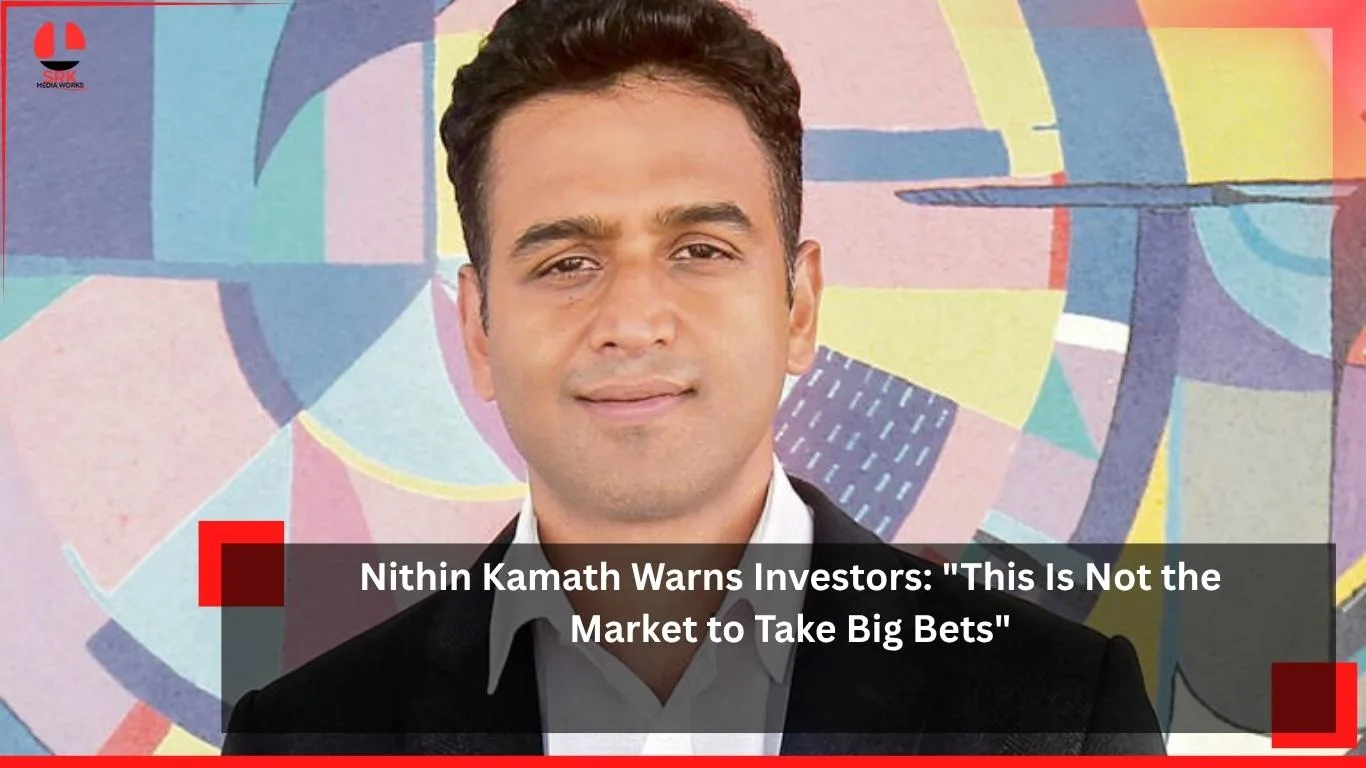





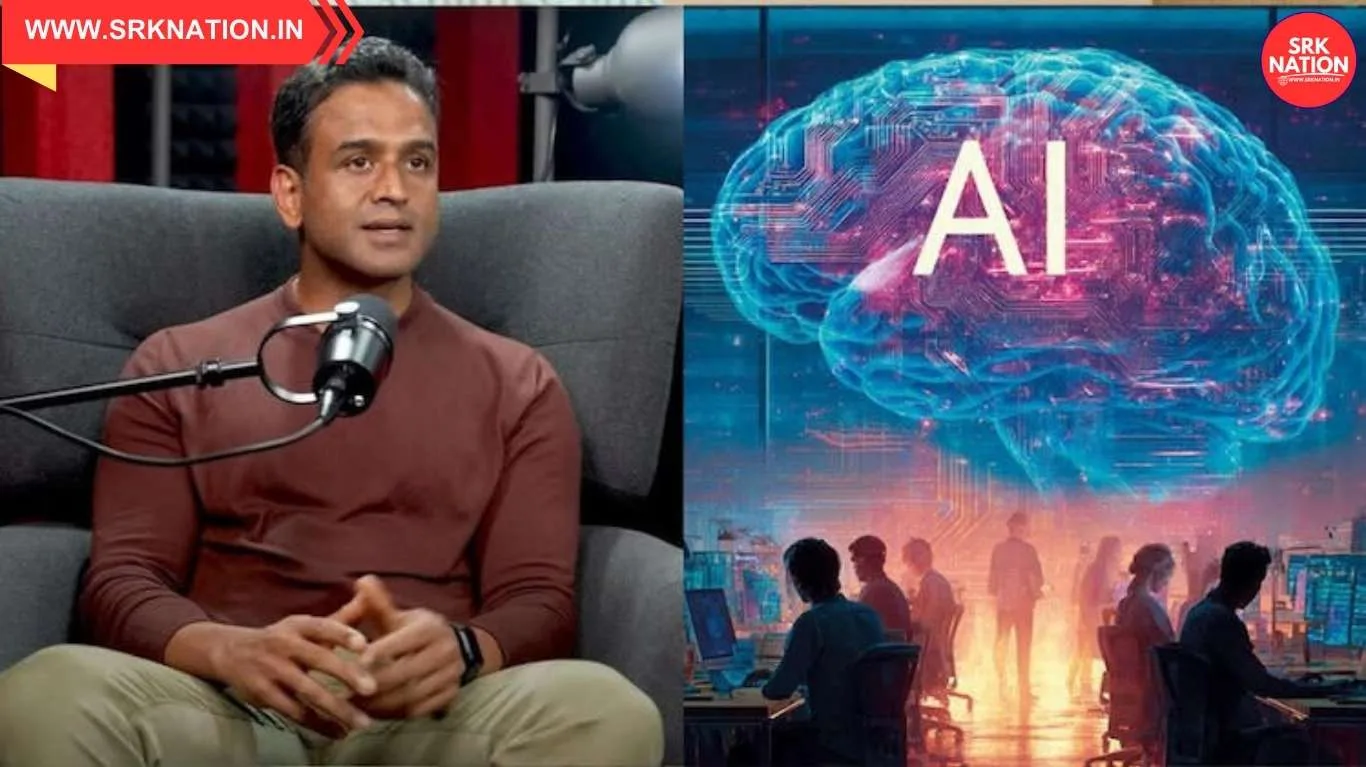
Zerodha co-founder Nithin Kamath has urged India to rethink its economic strategy, warning that the country can no longer rely solely on IT services exports to sustain growth. In a recent statement, Kamath emphasized the need for a China-style deep tech push, focusing on advanced manufacturing, artificial intelligence, biotechnology, and clean energy. His remarks come at a time when India’s IT sector faces slowing global demand, rising automation, and intense competition from other emerging economies.
Key Highlights
- Kamath’s Warning: India’s dependence on IT services is unsustainable in the long run.
- Deep Tech Push: Advocates for investment in AI, biotech, semiconductors, and clean energy.
- China Model: Suggests India emulate China’s aggressive deep tech and manufacturing strategy.
- Economic Context: IT services contribute nearly 8% to India’s GDP, but growth is slowing.
- Policy Implications: Calls for government incentives, R&D funding, and startup ecosystem support.
Analysis of India’s Economic Strategy
| Factor | Current Scenario | Kamath’s Recommendation | Outcome Expected |
|---|---|---|---|
| IT Services | Major export contributor | Diversify beyond IT | Reduced dependency |
| Manufacturing | Limited global competitiveness | Deep tech & advanced manufacturing | Stronger global presence |
| Innovation | Service-driven IT outsourcing | AI, biotech, semiconductors | High-value industries |
| Policy Support | Focus on IT parks, outsourcing | R&D incentives, deep tech hubs | Long-term sustainability |
| Global Positioning | Outsourcing hub | Deep tech leader | Strategic advantage |
Comparative Analysis: India vs China
| Sector | India (Current) | China (Model) | Lessons for India |
|---|---|---|---|
| IT Services | Outsourcing hub | Limited reliance | Diversify economy |
| Manufacturing | Weak global share | Global leader | Invest in advanced manufacturing |
| AI & Robotics | Nascent stage | Aggressive adoption | Scale AI research |
| Biotech | Emerging startups | Strong pharma & biotech | Increase R&D funding |
| Semiconductors | Heavy import reliance | Domestic chip industry | Build semiconductor ecosystem |
Drivers Behind Kamath’s Call
- Global IT Slowdown: Demand for outsourcing services is plateauing.
- Automation Threat: AI and robotics reducing need for human-driven IT services.
- China’s Success: Deep tech investments helped China dominate global manufacturing.
- National Security: Semiconductor and AI independence critical for strategic autonomy.
- Startup Ecosystem: India’s vibrant startup scene can pivot to deep tech with proper support.
Public and Industry Reaction
- Entrepreneurs: Many agree with Kamath, citing the need for diversification.
- Policy Analysts: Highlight challenges in replicating China’s model due to India’s democratic setup.
- Investors: Growing interest in deep tech startups, especially in AI and clean energy.
- Media: Coverage frames Kamath’s remarks as a wake-up call for policymakers.
Future Outlook
India’s economic trajectory could shift significantly if Kamath’s recommendations are adopted:
- Deep Tech Ecosystem: Emergence of AI, biotech, and semiconductor hubs.
- Global Competitiveness: Stronger positioning in advanced industries.
- Job Creation: High-skilled employment opportunities in R&D and manufacturing.
- Economic Diversification: Reduced reliance on IT services exports.
Challenges ahead:
- Building infrastructure for advanced manufacturing.
- Ensuring adequate funding for deep tech startups.
- Balancing short-term IT sector reliance with long-term diversification.
Conclusion
Nithin Kamath’s call for a China-style deep tech push reflects growing concerns about India’s overdependence on IT services. While outsourcing has powered India’s economy for decades, slowing demand and automation risks highlight the need for diversification. By investing in AI, biotech, semiconductors, and clean energy, India can position itself as a global leader in high-value industries, ensuring sustainable growth and strategic autonomy in the decades ahead.
Disclaimer
This article is intended for informational and analytical purposes only. It summarizes publicly available statements and economic perspectives. It does not constitute financial advice, insider information, or professional consultation. Readers are encouraged to verify facts independently and consult experts before making investment or policy decisions.