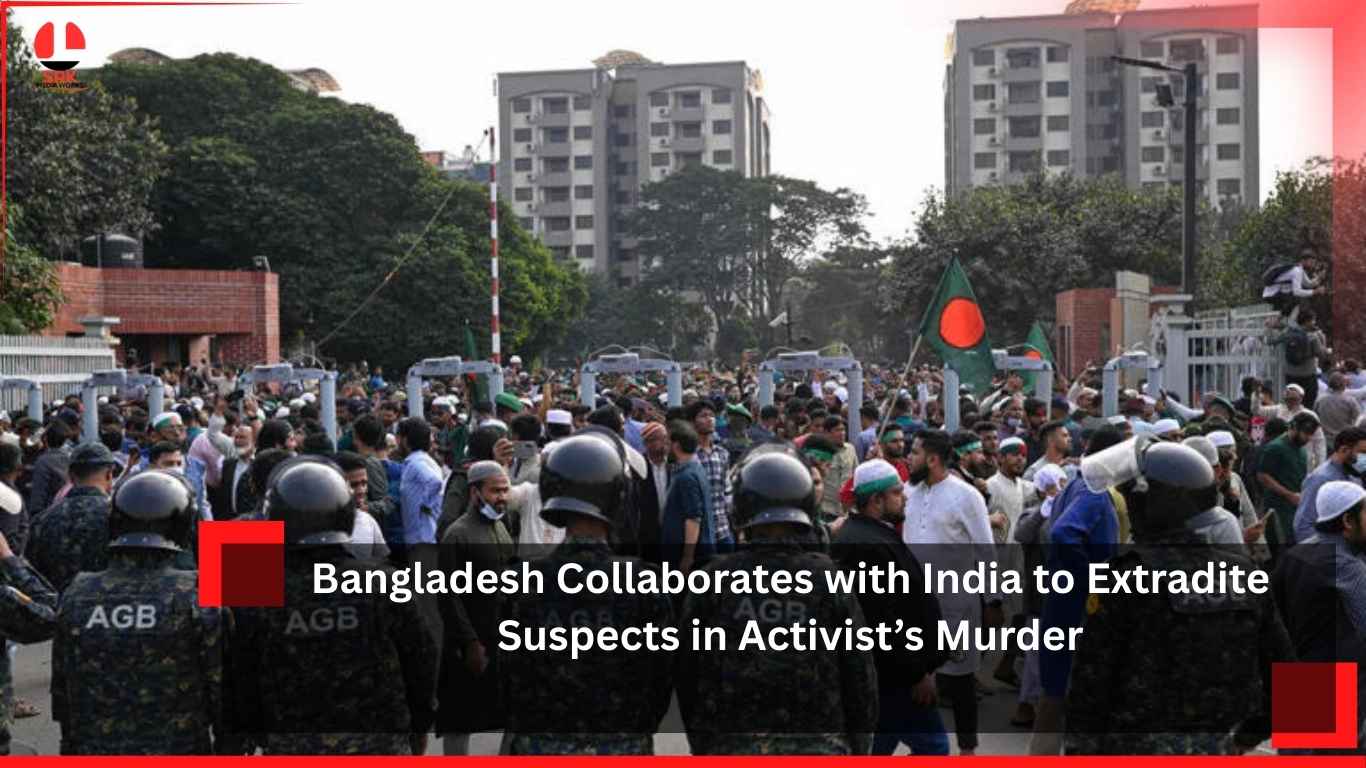





The diplomatic relationship between India and Bangladesh has entered a tense phase after India decided to withdraw families of its diplomats stationed in Dhaka, citing security concerns. The move, which has drawn sharp criticism from Bangladesh, was defended by New Delhi as a precautionary measure aimed at safeguarding its personnel. India’s Ministry of External Affairs (MEA) clarified that the decision was not politically motivated but based on credible assessments of the prevailing situation.
Background of the Diplomatic Tension
- India’s decision to pull out families of diplomats came amid rising political unrest in Bangladesh.
- Dhaka criticized the move, suggesting it was unnecessary and could send a negative signal about bilateral ties.
- India responded firmly, stating that the safety of its diplomats and their families is paramount.
- The development has sparked debates about the resilience of India-Bangladesh relations, especially at a time when both nations are navigating sensitive regional issues.
Key Highlights
| Indicator | Details |
|---|---|
| Issue | India withdraws diplomat families from Dhaka |
| Bangladesh’s Response | Criticism, calling move unnecessary |
| India’s Stand | Safety and precautionary measure |
| Broader Impact | Strains bilateral ties, raises questions on regional stability |
| Public Sentiment | Divided between security concerns and diplomatic optics |
India’s Decision vs Bangladesh’s Criticism
| Factor | India’s Position | Bangladesh’s Position | Implication |
|---|---|---|---|
| Safety Concerns | Paramount, precautionary | Exaggerated, unnecessary | Diplomatic tension |
| Political Context | Not politically motivated | Reflects mistrust | Strained ties |
| Public Messaging | Protecting personnel | Negative optics | Polarized narratives |
| Bilateral Relations | Strong despite move | Undermined by withdrawal | Need for reassurance |
| Regional Impact | Stability prioritized | Signals discord | Affects South Asia diplomacy |
Why This Story Matters
- Diplomatic Relations: Highlights the fragility of India-Bangladesh ties amid regional challenges.
- Security Concerns: Underscores the importance of protecting diplomatic personnel.
- Public Perception: Shapes narratives in both countries about trust and cooperation.
- Regional Stability: Impacts broader South Asian diplomacy and cooperation.
- Future Outlook: Raises questions about how both nations will manage tensions.
India’s Justification
- The MEA emphasized that the withdrawal was based on credible security assessments.
- India clarified that the move was temporary and did not reflect mistrust of Bangladesh.
- Officials stressed that diplomatic engagement would continue without disruption.
- The decision was framed as a precautionary step to avoid potential risks.
Bangladesh’s Criticism
- Dhaka expressed disappointment, calling the move unnecessary and damaging to optics.
- Officials argued that Bangladesh remains committed to ensuring the safety of foreign diplomats.
- The criticism reflects concerns about how the decision might affect international perception.
- Bangladesh urged India to reconsider and maintain confidence in bilateral ties.
Expert Opinions
- Diplomats: Note that such withdrawals are common in volatile situations.
- Analysts: Stress that the move reflects India’s cautious approach to security.
- Historians: Highlight that India-Bangladesh ties have weathered tensions before.
- Critics: Warn that repeated withdrawals could erode trust between the nations.
Challenges Ahead
- Managing Optics: Ensuring the move does not permanently damage relations.
- Security Assurance: Rebuilding confidence in Bangladesh’s ability to protect diplomats.
- Public Sentiment: Addressing polarized narratives in both countries.
- Regional Diplomacy: Preventing tensions from affecting broader South Asian cooperation.
- Future Engagement: Maintaining strong ties despite temporary setbacks.
Opportunities for Both Nations
- Dialogue: Strengthen communication to address concerns.
- Security Cooperation: Enhance mechanisms to protect diplomats.
- Public Messaging: Reassure citizens about the resilience of ties.
- Regional Collaboration: Use platforms like SAARC to reinforce unity.
- Confidence Building: Demonstrate commitment to long-term partnership.
Broader Context of India-Bangladesh Relations
- India and Bangladesh share deep historical, cultural, and economic ties.
- The relationship has faced challenges, including border disputes and political differences.
- Cooperation in trade, connectivity, and security has strengthened ties in recent years.
- The current tension reflects the complexities of managing bilateral relations amid regional volatility.
- Both nations remain key partners in South Asia’s stability and growth.
Sectoral Breakdown of Impact
| Sector | Impact | Strategic Importance |
|---|---|---|
| Diplomacy | Temporary strain | Shapes bilateral narratives |
| Security | Precautionary withdrawal | Protects personnel |
| Public Sentiment | Divided opinions | Influences trust |
| Regional Cooperation | Potential disruption | Affects South Asian stability |
| International Perception | Signals discord | Impacts global view of ties |
Media Coverage
- Headlines focused on India’s withdrawal of diplomat families.
- Analysts debated whether the move was justified or exaggerated.
- Coverage highlighted Bangladesh’s criticism and India’s rebuttal.
- The story continues to dominate discussions in diplomatic and political circles.
Conclusion
India’s decision to pull out families of its diplomats from Dhaka has sparked criticism from Bangladesh but was firmly defended by New Delhi as a precautionary measure. While the move underscores India’s emphasis on safety, it also highlights the fragility of bilateral optics. The tension reflects broader challenges in South Asian diplomacy, where security concerns and political narratives often intersect. Both nations now face the task of rebuilding confidence and ensuring that temporary setbacks do not undermine their long-term partnership.
Disclaimer
This article is intended for informational purposes only and does not constitute diplomatic or policy advice. Statements, opinions, and government actions are subject to change based on evolving circumstances. Readers are encouraged to follow official updates for accurate information. The author and publisher are not responsible for any decisions made based on this article.