


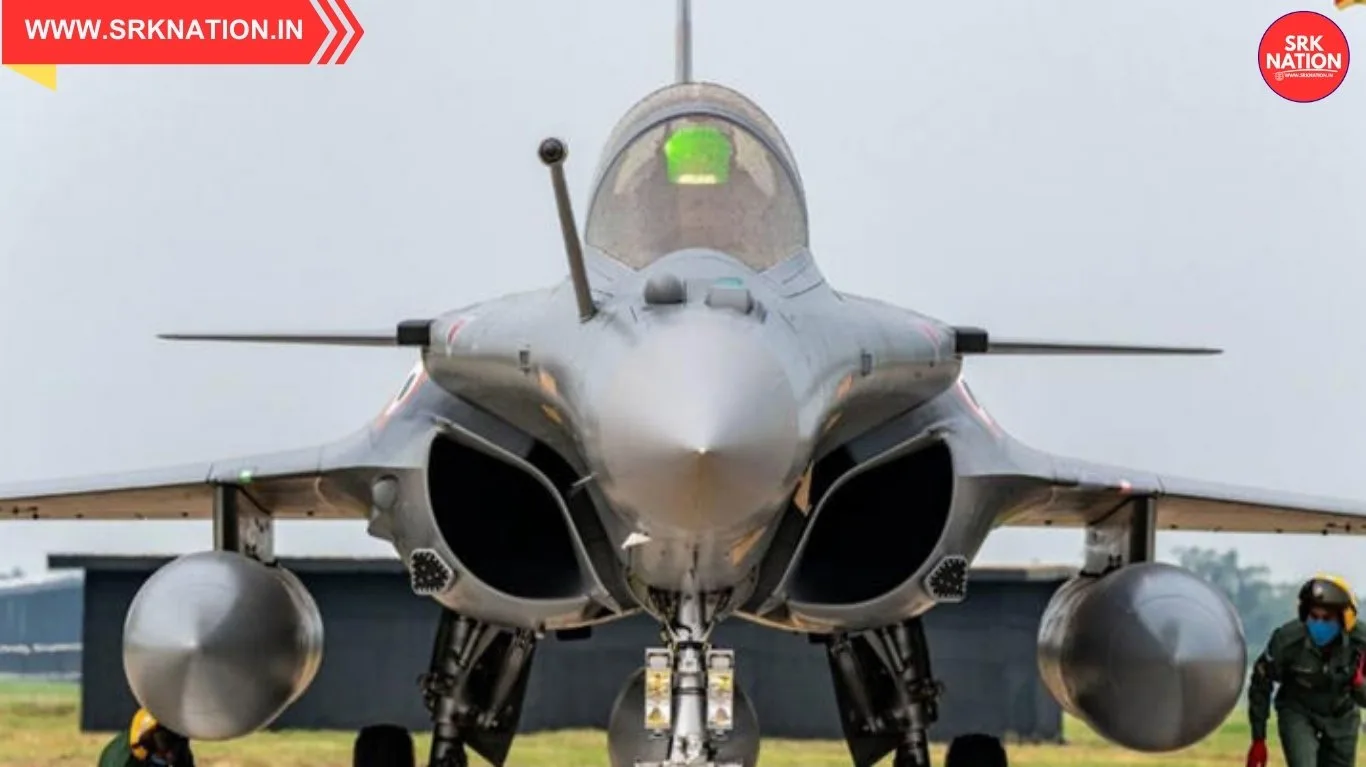
India is preparing to finalize one of its largest defense acquisitions ever, a Rs 3.25 lakh crore deal for 114 Rafale fighter jets from France. The move comes just days before French President Emmanuel Macron’s visit to New Delhi, signaling a major step in strengthening bilateral defense ties and boosting the Indian Air Force’s (IAF) combat capabilities. The Defence Acquisition Council (DAC), chaired by Defence Minister Rajnath Singh, is expected to clear the proposal, paving the way for negotiations and final approval.
Key Highlights
- Mega Deal Size: Rs 3.25 lakh crore for 114 Rafale F4 fighter jets.
- Strategic Timing: Clearance expected ahead of Macron’s India visit in February 2026.
- IAF Requirement: With only 29 squadrons against a sanctioned 42, the deal is critical to fill gaps.
- Make in India Push: Around 80% of the jets are expected to be manufactured in India.
- Global Impact: Strengthens India-France defense partnership and boosts India’s aerospace industry.
Analysis of Rafale Deal
| Factor | Traditional Challenge | Current Scenario (2026) | Outcome Observed |
|---|---|---|---|
| Squadron Strength | Shortfall in IAF squadrons | 114 Rafales to bridge gap | Enhanced readiness |
| Technology | Need for advanced fighters | Rafale F4 with 4.5-gen features | Superior capability |
| Domestic Industry | Limited aerospace output | 80% jets built in India | Industrial boost |
| Strategic Ties | Dependence on multiple suppliers | Stronger France-India partnership | Long-term cooperation |
| Global Positioning | Regional power balance | Rafales enhance deterrence | Strategic edge |
Comparative Analysis of Fighter Jet Acquisitions
| Country | Fighter Jet Acquisition | Value | Strategic Impact |
|---|---|---|---|
| India | 114 Rafale F4 jets | Rs 3.25 lakh crore | Boosts IAF strength, Make in India |
| US | F-35 Lightning II | $1.7 trillion program | Global dominance |
| China | J-20 stealth fighters | Indigenous production | Regional power projection |
| UK | Eurofighter Typhoon | £37 billion | NATO integration |
Why Rafale F4 Matters
- Advanced Technology: Equipped with upgraded radar, electronic warfare systems, and weapons.
- Operational Flexibility: Multi-role capability for air superiority, ground attack, and reconnaissance.
- Interoperability: Seamless integration with existing Rafale fleet inducted in 2020.
- Industrial Growth: Local manufacturing under Make in India strengthens aerospace ecosystem.
- Strategic Deterrence: Enhances India’s position against regional adversaries.
Impact on Key Stakeholders
- Indian Air Force: Critical boost to squadron strength and combat readiness.
- Domestic Industry: Major opportunity for Indian firms in aerospace and defense manufacturing.
- Government: Strengthens defense diplomacy with France.
- France: Secures one of its largest defense export deals.
- Global Observers: Recognize India’s growing military modernization drive.
Market and Industry Reaction
- Defense Analysts: Welcomed the move as essential for India’s air power.
- Industry Leaders: Highlighted opportunities for Indian companies in manufacturing and supply chains.
- Political Commentators: Viewed the timing as strategic ahead of Macron’s visit.
- Global Media: Noted India’s rising defense expenditure and modernization push.
Future Outlook
The Rafale mega deal is expected to:
- Strengthen India’s air defense capabilities.
- Boost domestic aerospace manufacturing under Make in India.
- Deepen India-France strategic partnership.
- Position India as a major defense market globally.
Challenges ahead:
- Managing costs and ensuring timely delivery.
- Balancing indigenous production with imported components.
- Addressing geopolitical sensitivities in the region.
Conclusion
India’s move to finalize the Rs 3.25 lakh crore Rafale fighter jet deal ahead of President Macron’s visit marks a historic milestone in defense modernization. With 114 Rafale F4 jets set to join the Indian Air Force, the deal not only addresses critical squadron shortfalls but also strengthens India’s defense industry through local manufacturing. This mega acquisition underscores India’s commitment to self-reliance, strategic partnerships, and enhanced national security.
Disclaimer
This article is intended for informational and analytical purposes only. It summarizes publicly available defense updates and policy developments. It does not constitute investment advice, insider information, or professional consultation. Readers are encouraged to verify facts independently and consult experts before making defense or economic decisions.