


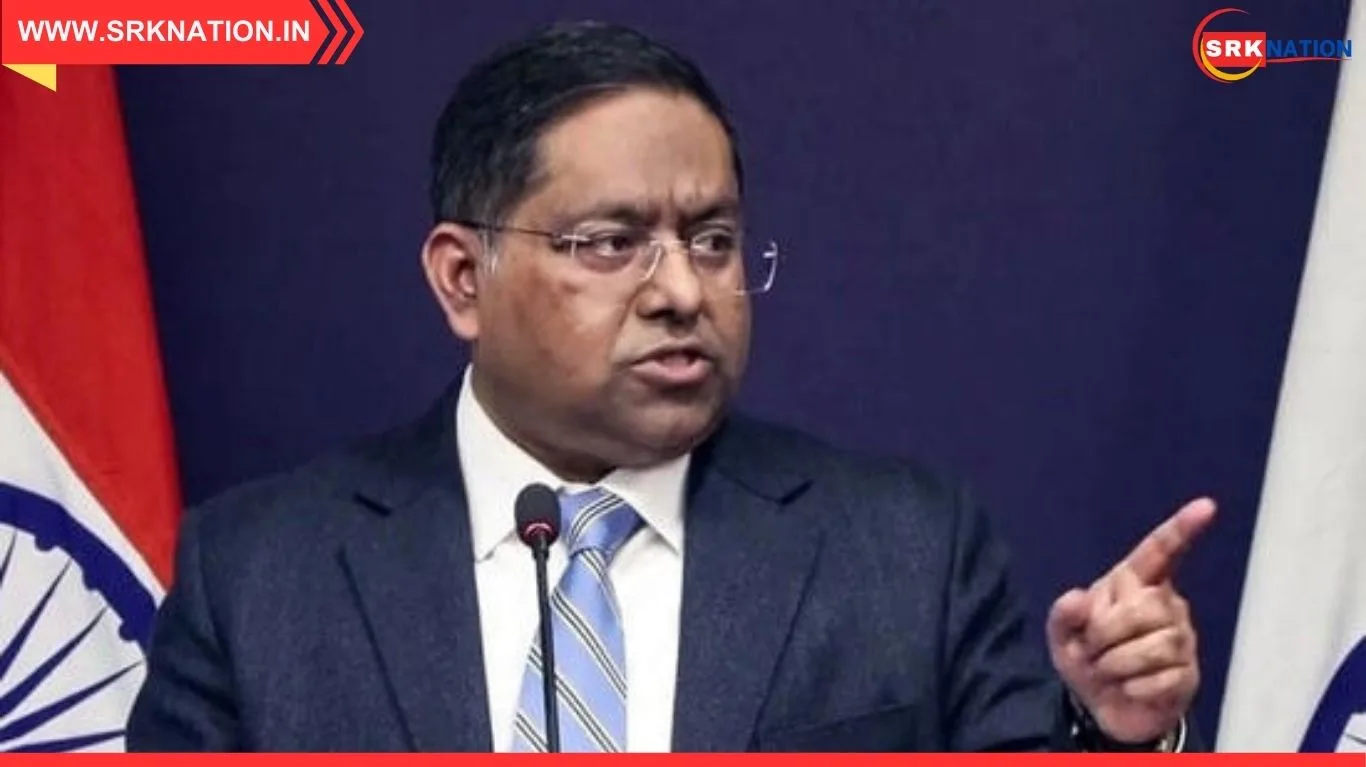
India has firmly rejected recent claims made by Dhaka, reiterating that it has never permitted any activities against Bangladesh’s interests. The statement underscores New Delhi’s commitment to maintaining strong bilateral ties with its eastern neighbor, while also addressing concerns that have surfaced in the political and diplomatic discourse. The development comes at a sensitive time, with both countries navigating regional challenges, economic cooperation, and evolving geopolitical dynamics.
Background of the Diplomatic Exchange
- Bangladesh had raised concerns about alleged activities along the border and within certain political contexts.
- India responded by emphasizing its policy of respecting Bangladesh’s sovereignty and ensuring that no actions detrimental to Dhaka’s interests are tolerated.
- The clarification highlights India’s broader strategy of fostering regional stability and cooperation in South Asia.
- Both nations share deep historical, cultural, and economic ties, making the relationship crucial for regional peace and prosperity.
India’s Official Position
| Statement Element | Details | Implication |
|---|---|---|
| Respect for Sovereignty | India reiterated commitment to Bangladesh’s independence and territorial integrity | Reinforces trust in bilateral relations |
| No Anti-Bangladesh Activity | India denied allegations of supporting or permitting hostile actions | Counters political narratives |
| Focus on Cooperation | Emphasis on trade, connectivity, and security collaboration | Strengthens long-term partnership |
| Regional Stability | India highlighted importance of peace in South Asia | Positions itself as a responsible regional power |
Bangladesh’s Concerns
- Dhaka expressed unease over alleged cross-border activities and political influences.
- Concerns were raised about security and sovereignty, particularly in sensitive border regions.
- Bangladesh’s leadership sought assurances from India to prevent any actions that could undermine bilateral trust.
- The claims reflect domestic political pressures within Bangladesh, as elections and regional issues dominate the agenda.
Bilateral Relations: A Snapshot
| Area of Cooperation | India’s Role | Bangladesh’s Role | Current Status |
|---|---|---|---|
| Trade & Economy | Major export partner | Growing import demand | Expanding bilateral trade |
| Connectivity | Infrastructure projects, transit routes | Regional hub for logistics | Improving steadily |
| Security & Border | Joint patrols, intelligence sharing | Cooperation in counter-terrorism | Ongoing collaboration |
| Energy | Power exports, renewable projects | Import of electricity | Strengthening ties |
| Culture & People-to-People | Shared heritage, educational exchanges | Strong diaspora links | Deep cultural bonds |
Regional and Global Context
- India and Bangladesh are key players in South Asia, with their cooperation influencing regional stability.
- Global powers closely monitor the relationship, given its impact on trade routes, security, and geopolitics.
- The clarification by India aims to reassure not only Bangladesh but also international observers of its commitment to peaceful relations.
Expert Reactions
- Diplomatic analysts: Stress that India’s rejection of Dhaka’s claims is aimed at preventing misunderstandings from escalating.
- Political commentators: Note that domestic politics in Bangladesh may have influenced the claims.
- Regional experts: Highlight the importance of India-Bangladesh cooperation in countering external pressures from other regional actors.
- Economic observers: Emphasize that trade and connectivity projects should remain the focus of bilateral ties.
Impact on Bilateral Ties
| Factor | Short-Term Impact | Long-Term Outlook |
|---|---|---|
| Diplomatic Relations | Minor strain due to claims | Likely to stabilize with dialogue |
| Economic Cooperation | Limited impact | Continued growth expected |
| Security Collaboration | Reinforced through joint efforts | Stronger coordination in future |
| Public Perception | Mixed reactions in Bangladesh | Improved with sustained engagement |
India’s Strategic Approach
- India has consistently emphasized “Neighborhood First” policy, prioritizing ties with Bangladesh.
- The rejection of claims is part of a broader effort to maintain transparency and trust.
- India continues to invest in connectivity projects, energy cooperation, and cultural exchanges.
- By addressing concerns directly, India aims to prevent misinformation from affecting bilateral relations.
Lessons for Regional Diplomacy
- Clear communication: Prevents misunderstandings between neighboring nations.
- Respect for sovereignty: Essential for maintaining trust in bilateral ties.
- Focus on cooperation: Economic and cultural projects strengthen long-term relations.
- Managing domestic pressures: Diplomatic clarity helps counter narratives influenced by internal politics.
Broader Implications
- The episode highlights the challenges of managing complex bilateral relationships in South Asia.
- India’s rejection of Dhaka’s claims reinforces its image as a responsible regional power.
- Bangladesh’s concerns reflect the delicate balance between domestic politics and foreign policy.
- The future of India-Bangladesh ties will depend on sustained dialogue, cooperation, and mutual respect.
Conclusion
India’s firm rejection of Dhaka’s claims, with the assertion that it has “never allowed activities against Bangladesh’s interests,” reflects its commitment to maintaining strong bilateral relations. While concerns raised by Bangladesh highlight the complexities of regional diplomacy, India’s response underscores its focus on cooperation, stability, and mutual respect. As both nations continue to collaborate on trade, connectivity, and security, the emphasis will remain on building trust and ensuring that political narratives do not overshadow shared goals.
Disclaimer
This article is intended for informational purposes only and does not constitute diplomatic or political advice. Bilateral relations between India and Bangladesh are subject to evolving circumstances, domestic politics, and regional dynamics. Readers are encouraged to follow official updates for accurate information. The author and publisher are not responsible for any decisions made based on this article.