

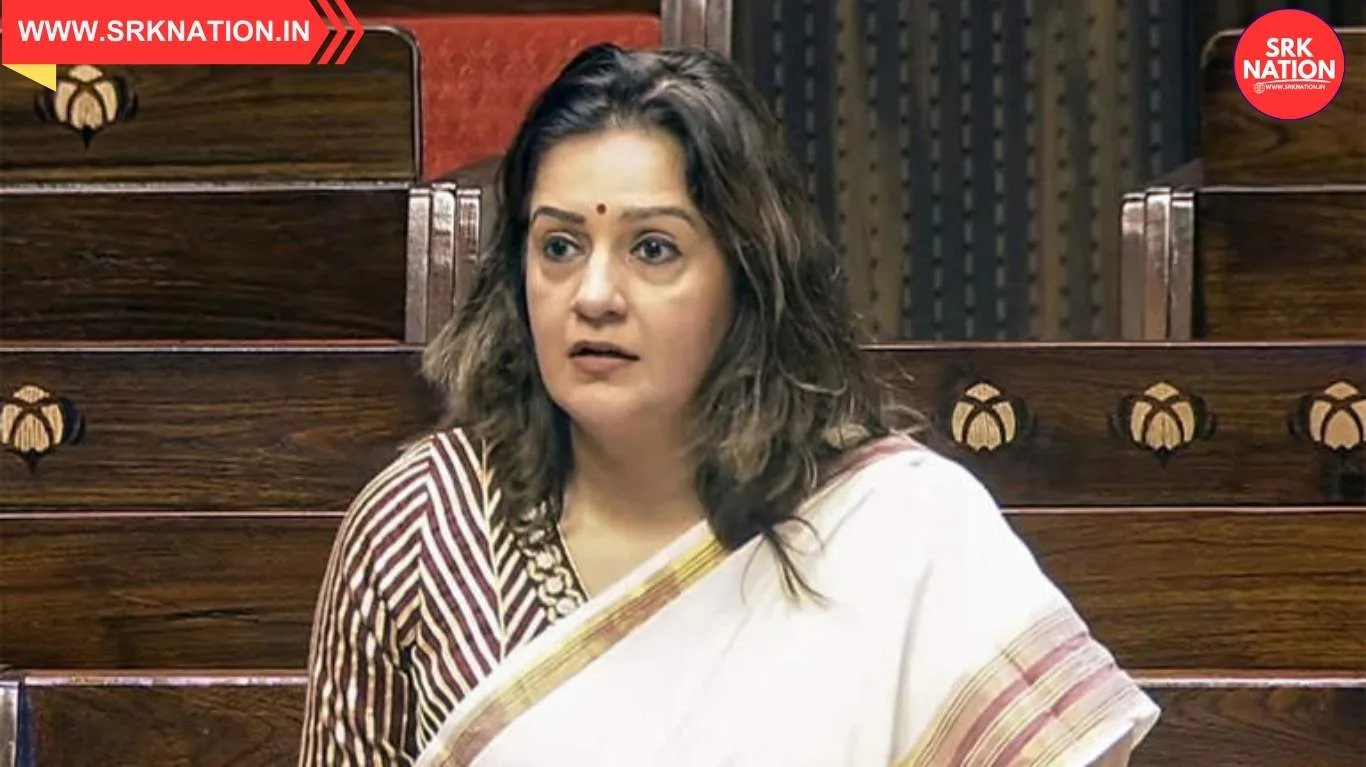
The recently announced India-US interim trade deal, which reduces tariffs to 18% and resets economic relations between the two nations, has sparked political debate in India. Shiv Sena (UBT) leader Priyanka Chaturvedi has sharply criticized the agreement, calling it an “order from Washington” rather than a mutually negotiated deal. Her remarks highlight concerns about sovereignty, economic independence, and the balance of power in India’s foreign policy.
Background of the Trade Deal
The interim trade agreement between India and the United States was finalized after months of negotiations. It includes tariff reductions, expanded market access, and cooperation in technology and energy sectors. While the deal has been welcomed by industry leaders, opposition voices argue that India may be conceding too much under pressure from Washington.
Priyanka Chaturvedi’s Statement
Chaturvedi’s criticism centers on the perception that India is following directives from Washington rather than negotiating from a position of strength. She argued that:
- The deal reflects external pressure rather than domestic priorities.
- India’s sovereignty in trade policy is being compromised.
- The government is prioritizing geopolitical alignment over economic independence.
- Farmers, small businesses, and local industries may face challenges due to increased competition.
Analysis of the Debate
| Factor | Traditional Expectation | Current Scenario (2026) | Outcome Observed |
|---|---|---|---|
| Trade Negotiations | Balanced, mutual agreements | Seen as US-driven directive | Sovereignty concerns |
| Economic Impact | Tariff cuts benefit industry | Fear of harm to local producers | Mixed reactions |
| Political Narrative | Government claims success | Opposition calls it submission | Polarized debate |
| Strategic Relations | Strengthened with US | Criticized as dependency | Controversy |
| Public Sentiment | Optimism for growth | Concerns about foreign influence | Divided opinion |
Comparative Analysis of Trade Deals
| Country Pair | Nature of Deal | Perception | Impact |
|---|---|---|---|
| India-US (2026) | Interim trade deal | Criticized as US-driven | Tariff cuts, strategic reset |
| India-EU (2024) | Negotiated FTA | Seen as balanced | Boost to exports |
| US-China (Phase 1) | Trade truce | Viewed as tactical | Temporary relief |
| India-ASEAN | Regional trade | Cooperative | Strengthened regional ties |
Political Dimensions
Chaturvedi’s remarks reflect broader opposition concerns about India’s foreign policy direction. Critics argue that the government is aligning too closely with Washington, potentially undermining India’s independent stance in global trade. Supporters of the deal, however, emphasize its economic benefits and strategic importance in countering China’s influence.
Impact on Industries
The tariff cuts are expected to benefit several sectors, but opposition leaders warn of challenges:
- Agriculture: Increased competition from US imports may affect Indian farmers.
- Pharmaceuticals: Indian drug manufacturers gain relief but face stricter compliance.
- Technology: Lower tariffs benefit consumers but raise dependency concerns.
- Energy: Strengthened cooperation in LNG and renewables seen as positive.
Public and Market Reaction
Markets responded positively to the announcement, with stocks in agriculture, pharmaceuticals, and technology sectors showing gains. However, political criticism has created uncertainty about long-term implications.
Future Outlook
The interim deal is expected to pave the way for deeper cooperation, but political debates will continue:
- Negotiations for a full free trade agreement.
- Balancing economic benefits with sovereignty concerns.
- Managing domestic industry challenges.
- Addressing opposition criticism in Parliament and public discourse.
Conclusion
The India-US interim trade deal, hailed by the government as a milestone in bilateral relations, has been criticized by Priyanka Chaturvedi, who described it as an “order from Washington.” Her remarks underscore the tension between economic pragmatism and political sovereignty. As India navigates its global trade strategy, the debate reflects the broader challenge of balancing external partnerships with domestic priorities.
Disclaimer
This article is intended for informational and analytical purposes only. It summarizes political statements and economic developments related to the India-US trade deal. It does not constitute endorsement, political opinion, or financial advice. Readers are encouraged to verify facts independently and follow official updates for accurate information.