




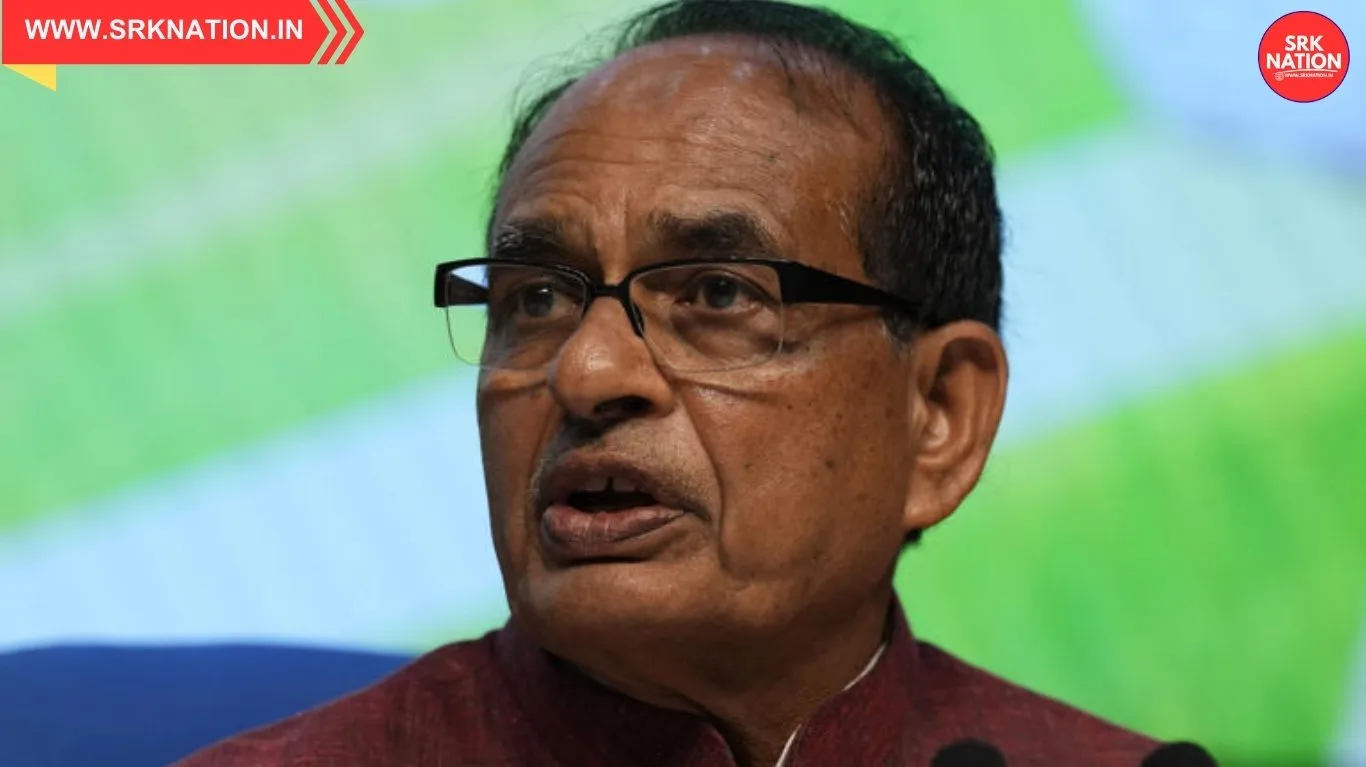
Union Minister for Rural Development, Agriculture and Farmers’ Welfare Shivraj Singh Chouhan has announced that India will cease importing fruits, vegetables, and flowers, marking a decisive step toward self-reliance in horticulture. Speaking at a review meeting with officials at the ICAR-Indian Institute of Horticultural Research (IIHR), Chouhan emphasized that India’s production levels have reached “historic” highs, making imports unnecessary. The government’s focus now is on boosting domestic cultivation of high-demand crops and ensuring profitability for farmers.
Key Highlights
- Self-Reliance Goal: India will no longer import fruits, vegetables, and flowers.
- Historic Production: Current horticulture output is at record levels.
- Focus Areas: Avocados, dragon fruit, and other high-demand crops to be grown domestically.
- Farmer Profitability: Policies will ensure cultivation remains financially viable.
- Global Trade Context: India’s new trade deals safeguard farmers while opening export opportunities for basmati rice and spices.
Analysis of Policy Shift
| Factor | Traditional Challenge | Current Scenario (2026) | Outcome Observed |
|---|---|---|---|
| Imports | Reliance on foreign produce | Imports to be stopped | Self-reliance |
| Production Levels | Seasonal fluctuations | Historic highs | Surplus capacity |
| Farmer Profitability | Often unstable | Policy support for high-demand crops | Sustainable income |
| Global Trade | Competition from imports | Trade deals protect farmers | Export opportunities |
| Consumer Access | Imported exotic produce | Domestic cultivation of exotics | Wider availability |
Comparative Analysis of Horticulture Policies
| Country | Policy Approach | Impact |
|---|---|---|
| India | Stop imports, boost domestic cultivation | Self-reliance, farmer profitability |
| China | Heavy subsidies for horticulture | Export-driven growth |
| US | Balanced imports and domestic production | Consumer choice, stable prices |
| EU | Focus on sustainability | Green farming, reduced carbon footprint |
Drivers of the Decision
- Record Production: India’s horticulture sector has achieved historic output levels.
- Farmer Welfare: Ensuring profitability and reducing dependency on imports.
- Global Trade Deals: Safeguards against foreign competition while boosting exports.
- Exotic Crop Cultivation: Focus on avocados, dragon fruit, and other high-demand crops.
- National Self-Reliance: Aligns with India’s broader Atmanirbhar Bharat vision.
Impact on Key Stakeholders
- Farmers: Greater opportunities to grow high-demand crops profitably.
- Consumers: Access to fresh, locally grown exotic produce.
- Government: Strengthened credibility in agricultural reforms.
- Exporters: Expanded opportunities in global markets for rice, spices, and horticulture products.
Market and Industry Reaction
- Agriculture Experts: Welcomed the move as a step toward sustainable farming.
- Farmers’ Associations: Expressed optimism about profitability and reduced competition.
- Consumers: Anticipate wider availability of exotic fruits at competitive prices.
- Global Observers: Noted India’s rising role in horticulture and agricultural exports.
Future Outlook
India’s decision to stop importing fruits, vegetables, and flowers is expected to:
- Strengthen domestic horticulture production.
- Provide stability and profitability for farmers.
- Expand India’s footprint in global agricultural exports.
- Encourage innovation in crop cultivation and sustainable farming practices.
Challenges ahead:
- Ensuring consistent quality of exotic produce.
- Managing supply chains to meet rising demand.
- Balancing farmer profitability with consumer affordability.
Conclusion
The announcement by Union Minister Shivraj Singh Chouhan that India will stop importing fruits, vegetables, and flowers marks a transformative step in the country’s agricultural journey. With record production levels, policy support, and a focus on high-demand crops, India is poised to achieve true self-reliance in horticulture. This move not only strengthens farmer welfare but also positions India as a global leader in sustainable agricultural practices.
Disclaimer
This article is intended for informational and analytical purposes only. It summarizes publicly available policy updates and agricultural developments. It does not constitute investment advice, professional consultation, or insider information. Readers are encouraged to verify facts independently and consult experts before making economic or farming-related decisions.