


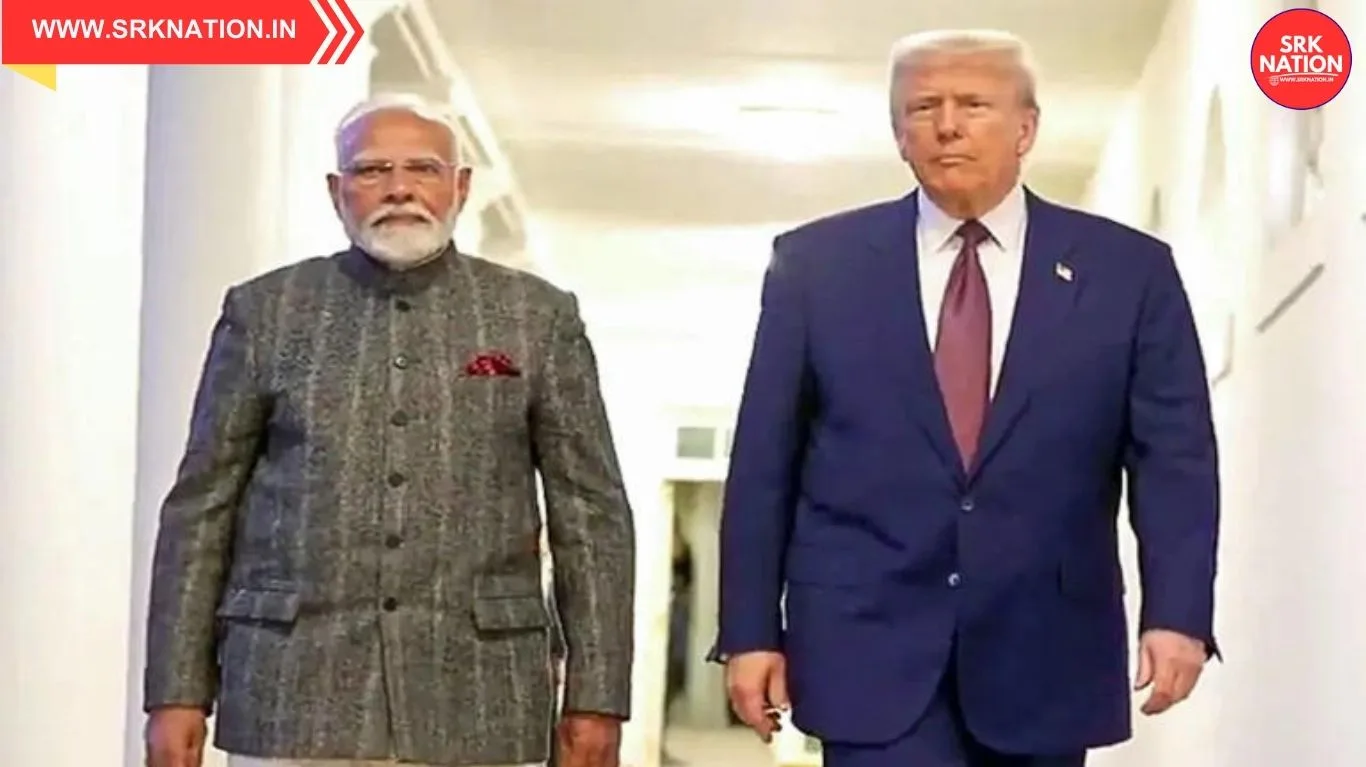
India’s recent trade agreement with the United States has been hailed as a landmark development that strengthens both economic and geopolitical ties between the two nations. The deal is expected to accelerate India’s growth trajectory, enhance its global standing, and reinforce its role as a key player in the Indo-Pacific region.
Context of the Agreement
The trade agreement comes at a time when global supply chains are being reshaped and nations are seeking reliable partners for economic collaboration. For India, the deal represents:
- Expanded Market Access: Greater opportunities for Indian goods and services in the US market.
- Investment Boost: Increased foreign direct investment in critical sectors.
- Strategic Alignment: Reinforcement of India’s position as a trusted partner in the Indo-Pacific.
- Technology Transfer: Collaboration in digital infrastructure, AI, and clean energy.
Economic Impact
India’s economy is set to benefit significantly from the agreement:
- Export Growth: Indian industries such as textiles, pharmaceuticals, and IT services gain wider access to US markets.
- Job Creation: Expansion of industries will generate employment opportunities.
- Infrastructure Development: Investments in logistics and transport to support trade flows.
- Innovation Ecosystem: Collaboration in technology and research enhances India’s competitiveness.
Geopolitical Significance
The agreement is not just about trade; it carries major geopolitical implications:
- Indo-Pacific Strategy: Strengthens India’s role in balancing power in the region.
- US-India Partnership: Reinforces strategic cooperation in defense, energy, and technology.
- Global Positioning: Enhances India’s credibility as a rising power.
- Counterbalance to China: Provides India with leverage in regional geopolitics.
Comparative Analysis of Trade Agreements
| Country | Partner | Focus Area | Impact |
|---|---|---|---|
| India | United States | Technology, energy, defense | Strengthened global role |
| Japan | EU | Automotive, electronics | Boosted exports |
| Brazil | China | Agriculture, mining | Expanded commodity trade |
| South Korea | US | Semiconductors, defense | Enhanced strategic ties |
Sectoral Benefits for India
- Pharmaceuticals: Expanded access to US healthcare markets.
- IT Services: Strengthened outsourcing and digital collaboration.
- Renewable Energy: Joint projects in solar and wind energy.
- Defense Manufacturing: Co-production of advanced equipment.
- Agriculture: Opportunities for exports of processed food and organic products.
Challenges Ahead
While the agreement offers immense opportunities, challenges remain:
- Implementation: Ensuring smooth execution of trade provisions.
- Regulatory Barriers: Addressing differences in standards and compliance.
- Domestic Concerns: Balancing global trade with local industry protection.
- Geopolitical Risks: Navigating tensions in the Indo-Pacific region.
Public and Political Reactions
- Business Leaders: Welcomed the deal as a boost for India’s global competitiveness.
- Political Analysts: Viewed it as a strategic move to strengthen ties with the US.
- Opposition Parties: Called for transparency in implementation and protection of local industries.
- Civil Society Groups: Emphasized the need for inclusive growth and environmental safeguards.
Broader Implications for India’s Rise
- Economic Growth Engine: Positions India as a hub for global trade and investment.
- Strategic Partner: Reinforces India’s role in shaping global policies.
- Innovation Leader: Enhances India’s reputation in technology and research.
- Cultural Exchange: Strengthens people-to-people ties between India and the US.
Conclusion
The headline “India’s Economic and Geopolitical Rise with the US Trade Agreement” reflects a transformative moment in India’s journey toward global leadership. The agreement not only boosts India’s economy but also enhances its geopolitical standing, making it a pivotal player in the Indo-Pacific and beyond.
This development underscores the importance of strategic partnerships in shaping the future of global trade and politics, positioning India as a rising power with both economic strength and diplomatic influence.
Disclaimer
This article is intended for informational and analytical purposes only. It reflects current economic and geopolitical discussions between India and the United States. The content does not represent official statements from the Government of India, the US administration, or any trade authority. Readers should verify facts through authoritative sources before drawing conclusions.