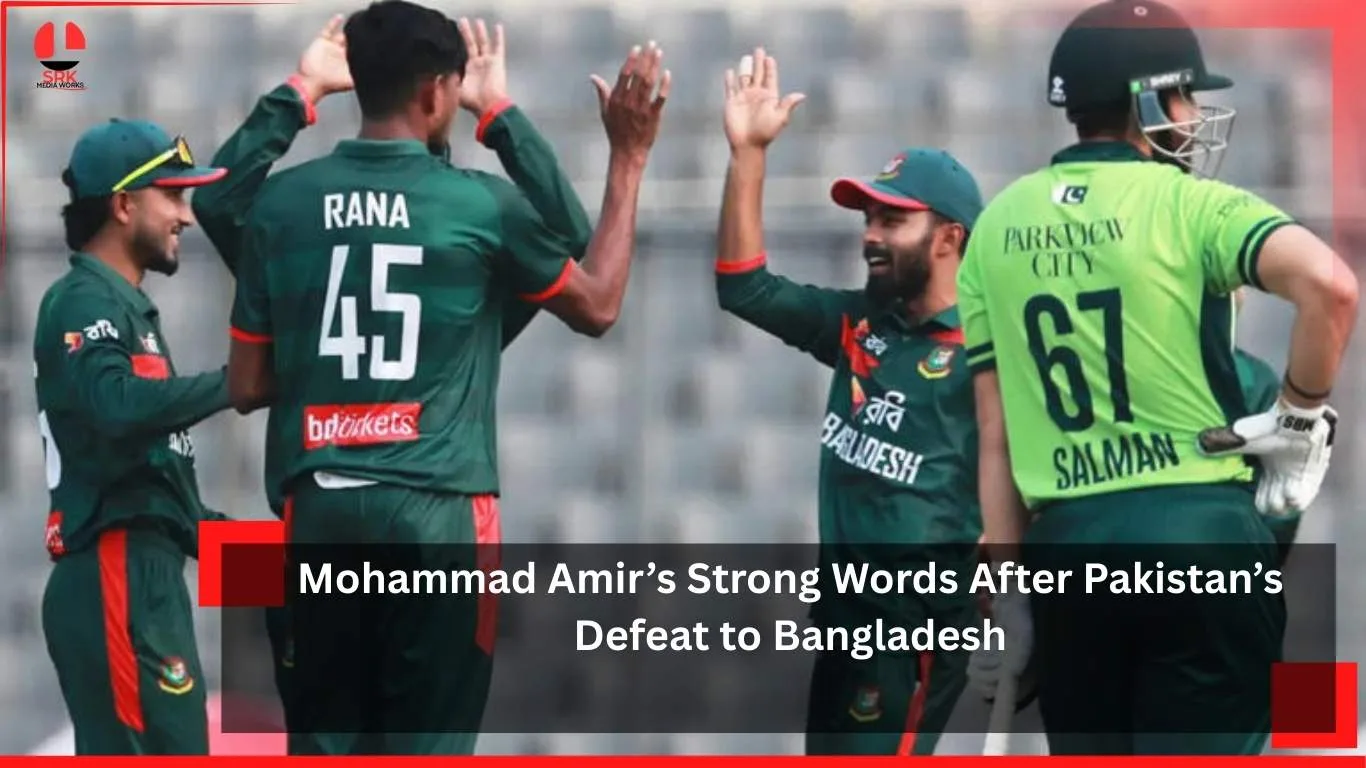

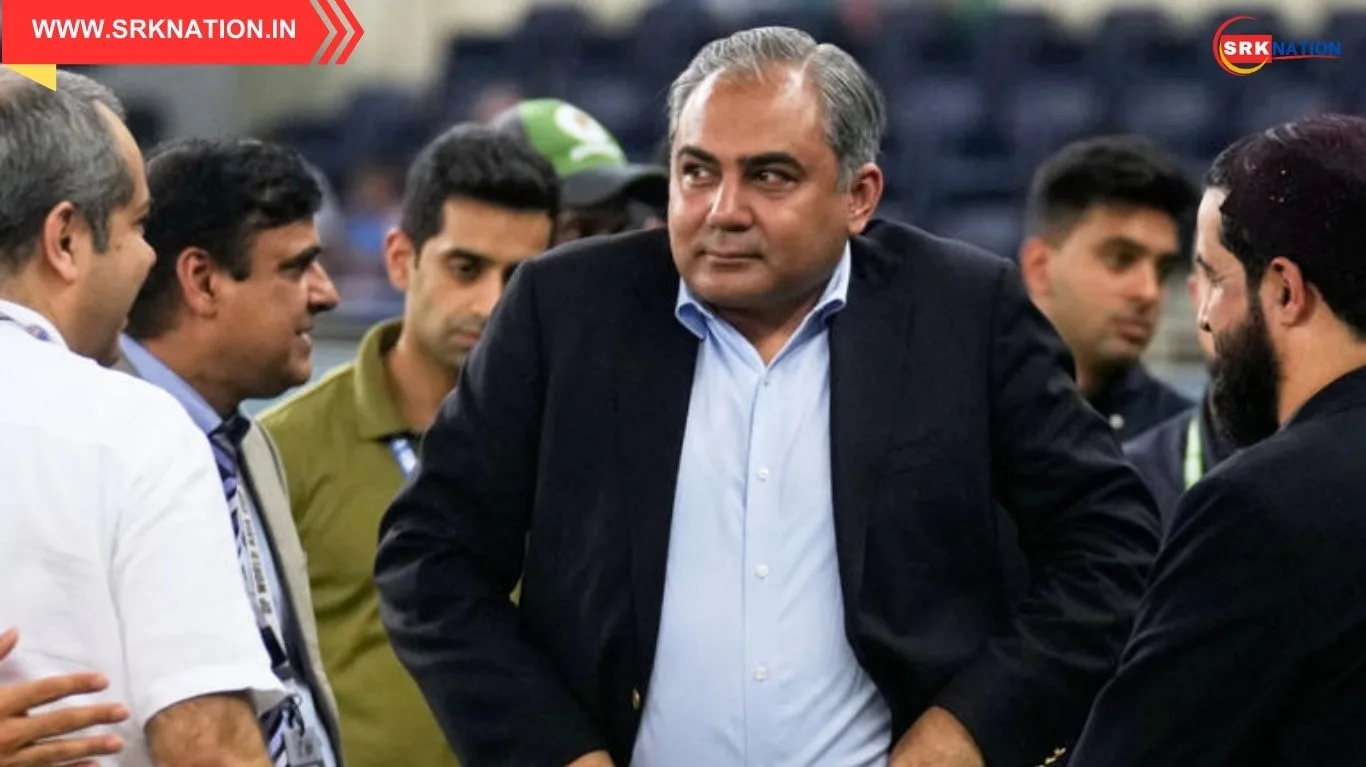
The ongoing Bangladesh T20 World Cup controversy has taken a new turn with Pakistan Cricket Board (PCB) Chairman Mohsin Naqvi using the row to highlight what he calls “injustice” in international cricket governance. His remarks have sparked debate across South Asia, with implications not only for Bangladesh but also for Pakistan’s positioning in global cricket politics.
Background of the Controversy
- Bangladesh raised concerns over umpiring decisions and scheduling during the T20 World Cup.
- PCB Chairman Mohsin Naqvi seized the opportunity to frame the issue as part of a larger narrative of injustice faced by Asian cricketing nations.
- His comments are being interpreted as an attempt to rally support from other boards while strengthening Pakistan’s voice in ICC deliberations.
- The controversy has reignited discussions about fairness, representation, and power dynamics in world cricket.
Key Highlights
| Indicator | Details |
|---|---|
| Issue in Focus | Bangladesh T20 World Cup row |
| PCB Chairman | Mohsin Naqvi |
| Narrative | “Injustice” in cricket governance |
| Impact | Regional cricket politics |
| Broader Context | ICC power balance |
Bangladesh’s Concerns vs PCB’s Strategy
| Factor | Bangladesh’s Concerns | PCB’s Strategy | Implication |
|---|---|---|---|
| Umpiring Decisions | Questioned fairness | Highlighted as systemic bias | ICC scrutiny |
| Scheduling | Claimed disadvantage | Framed as injustice | Regional solidarity |
| Public Perception | Sympathy for Bangladesh | Rallying support | Polarized narratives |
| Media Coverage | Focus on Bangladesh’s grievances | Focus on PCB’s leadership | Dual narratives |
| Long-Term Outlook | Possible reforms | Strengthened PCB influence | Shifting power dynamics |
Why This Story Matters
- Regional Solidarity: Highlights how cricket boards leverage controversies to build alliances.
- Governance Debate: Raises questions about fairness in ICC decision-making.
- Public Sentiment: Fans across South Asia express frustration over perceived bias.
- Strategic Positioning: PCB seeks to strengthen its influence in global cricket.
- Future Outlook: Could reshape how Asian boards negotiate within ICC structures.
Mohsin Naqvi’s Perspective
- Naqvi emphasized that Bangladesh’s grievances reflect broader injustices faced by Asian teams.
- He positioned PCB as a defender of fairness and equity in cricket governance.
- His remarks are seen as part of a calculated strategy to increase PCB’s leverage in ICC politics.
Bangladesh’s Position
- Bangladesh Cricket Board (BCB) has consistently raised concerns about scheduling and umpiring.
- The controversy has galvanized public opinion in Bangladesh, with fans demanding accountability.
- BCB’s stance has provided PCB with an opportunity to amplify its own narrative.
Expert Opinions
- Cricket Analysts: Suggest Naqvi is using Bangladesh’s row to strengthen PCB’s bargaining power.
- Political Commentators: Note that cricket controversies often mirror geopolitical tensions.
- Fans: Express frustration over perceived bias against Asian teams.
- Critics: Warn that politicizing cricket governance could deepen divisions.
Challenges Ahead
- ICC Response: Addressing grievances without undermining credibility.
- Regional Unity: Balancing diverse interests among Asian boards.
- Public Pressure: Managing fan expectations across nations.
- Media Scrutiny: Navigating polarized coverage.
- Long-Term Reform: Ensuring fairness in scheduling and umpiring.
Opportunities
- Regional Cooperation: Asian boards can unite to demand reforms.
- Public Engagement: Leveraging fan sentiment to push for accountability.
- Strategic Influence: PCB can strengthen its role in ICC politics.
- Governance Reform: Controversy could spark changes in cricket administration.
- Global Dialogue: Encourages broader debate on fairness in sports governance.
Broader Context of Cricket Politics
- Cricket governance has long been dominated by a few powerful boards.
- Asian teams often raise concerns about bias in scheduling and decision-making.
- PCB’s strategy reflects broader efforts to challenge existing power structures.
- The controversy underscores the intersection of sports, politics, and regional identity.
Sectoral Breakdown of Impact
| Sector | Impact | Strategic Importance |
|---|---|---|
| Cricket Governance | ICC scrutiny | Ensures fairness |
| Regional Politics | Strengthened alliances | Shapes power balance |
| Media | Amplified coverage | Drives narratives |
| Fans | Heightened frustration | Influences public discourse |
| Global Sports | Governance debate | Sets precedent |
Media Coverage
- Headlines emphasize Mohsin Naqvi’s framing of Bangladesh’s row as “injustice.”
- Analysts debate whether PCB’s strategy is opportunistic or principled.
- Coverage highlights regional solidarity and ICC’s challenges.
- The story continues to dominate discussions in South Asian cricket circles.
Conclusion
The Bangladesh T20 World Cup row, weaponized by PCB Chairman Mohsin Naqvi, reflects the complex interplay of sports and politics. By framing the controversy as part of a broader “injustice” narrative, Naqvi seeks to strengthen PCB’s influence in global cricket governance. For Bangladesh, the row underscores long-standing grievances; for Pakistan, it is an opportunity to rally support and challenge existing power structures. The outcome could reshape cricket politics in Asia and beyond.
Disclaimer
This article is intended for informational purposes only and does not constitute sports or professional advice. Statements, controversies, and outcomes are subject to change based on evolving circumstances. Readers are encouraged to follow official updates for accurate information. The author and publisher are not responsible for any decisions made based on this article.