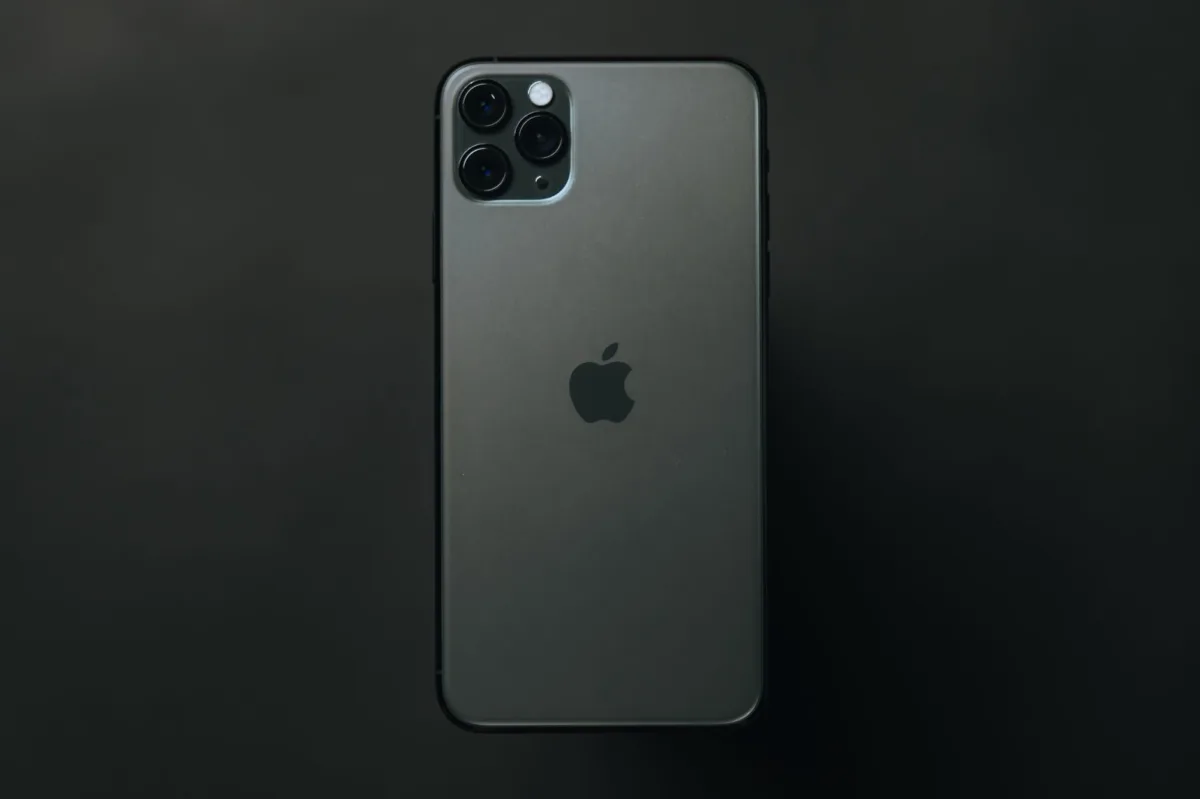










Anticipating the Next Generation
Leaked reports from major technology outlets suggest that Apple is preparing a significant overhaul for the iPhone 18 Pro, slated for release in 2026. Industry analysts indicate that the Cupertino-based tech giant plans to introduce substantial upgrades to the device’s camera array, display technology, and overall chassis design to maintain its competitive edge in the premium smartphone market.
The Evolution of the iPhone Pro Lineup
For years, Apple has followed a predictable iterative cycle, often focusing on incremental processor speed bumps and minor camera refinements. However, the move toward the iPhone 18 series represents a potential pivot toward more aggressive hardware differentiation. Following the expected rollout of the iPhone 17, market watchers believe Apple is positioning the 18 Pro as a high-performance flagship designed to justify premium pricing.
Anticipated Hardware and Design Upgrades
Technical leaks point toward a refined design language, potentially moving away from the aesthetic established by the iPhone 12. Reports from Moneycontrol and India Today suggest that the display technology will see a significant advancement, possibly integrating more efficient LTPO panels with improved brightness and energy consumption metrics.
The camera system remains a focal point of the speculation. Industry insiders expect Apple to implement larger sensor sizes and improved optical zoom capabilities to challenge current market leaders. These hardware shifts are likely designed to enhance computational photography, allowing the device to process images with greater fidelity in low-light environments.
Economic Strategies and Market Positioning
Forbes has highlighted that Apple is exploring new pricing strategies to bolster the Pro model’s appeal. By bundling exclusive features with the 18 Pro that are unavailable on standard models, Apple aims to increase the average selling price (ASP) of its hardware portfolio. This strategy reflects a broader industry trend where manufacturers prioritize high-margin ‘Pro’ devices over base-tier handsets to offset rising component costs.
Industry Implications and Future Outlook
The shift toward more frequent, substantial hardware updates carries significant implications for the global mobile ecosystem. Competitors will likely be forced to accelerate their own research and development cycles to keep pace with Apple’s anticipated feature set. Furthermore, the reliance on high-end hardware suggests that the secondary market for older iPhones may see increased volatility as consumers weigh the value of upgrading to the latest, more expensive technology.
Looking ahead, stakeholders should watch for supply chain disclosures in late 2025, which often serve as the most reliable indicators of Apple’s manufacturing direction. The success of the iPhone 18 Pro will ultimately depend on whether these hardware enhancements translate into tangible, daily utility for the average user, or if the market is reaching a point of diminishing returns for premium smartphone innovation.