




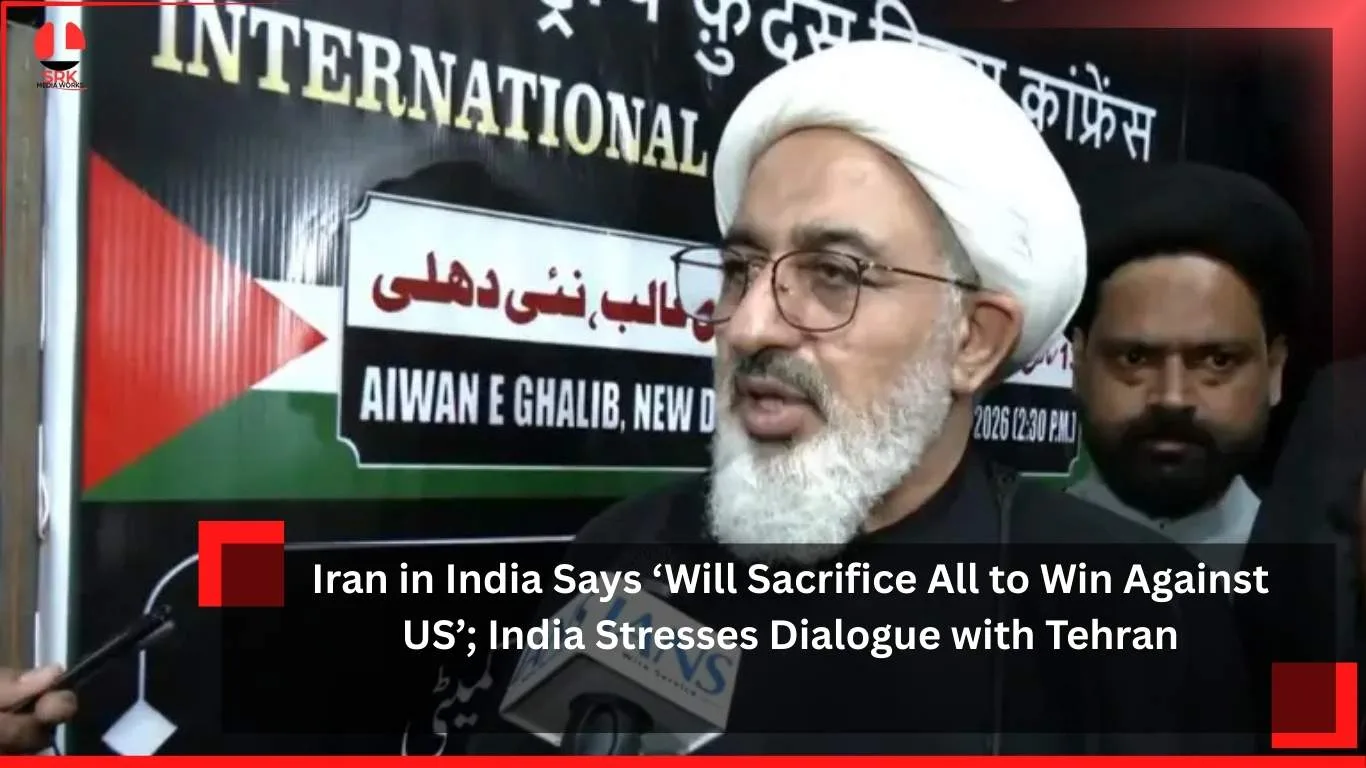
A sharp diplomatic moment unfolded as Iran’s representatives in India declared that the country “will sacrifice all to win against the US.” The statement, delivered during a press interaction, underscored Tehran’s defiance amid escalating tensions with Washington. India, however, responded with a measured tone, emphasizing dialogue and peaceful engagement with Tehran. This development highlights the delicate balance New Delhi must maintain between its strategic ties with the United States and its longstanding relationship with Iran.
Context of the Statement
Iran’s remarks came against the backdrop of rising geopolitical friction in the Middle East. The declaration of “sacrifice” reflects Tehran’s positioning as a nation unwilling to bow to external pressure, particularly from Washington. For India, which has deep historical, cultural, and economic ties with Iran, the statement presents both challenges and opportunities.
India’s Response
India’s Ministry of External Affairs reiterated its commitment to dialogue, stressing that engagement with Tehran remains vital. Officials highlighted:
- Strategic Importance: Iran’s role in regional connectivity projects, including the Chabahar Port.
- Energy Security: India’s reliance on Iranian oil imports in the past.
- Diplomatic Balance: Maintaining ties with both the US and Iran without compromising national interests.
Comparative Analysis of Positions
| Aspect | Iran’s Position | India’s Position |
|---|---|---|
| US Relations | Confrontational, defiant | Strategic partnership, cautious balance |
| Dialogue | Limited, conditional | Emphasized as primary tool |
| Regional Role | Resistance against US influence | Connectivity and stability focus |
| Economic Interests | Sanctions-hit economy, seeking allies | Trade, energy, and infrastructure |
Public and Media Reaction
The statement triggered widespread debate in India’s media and diplomatic circles. Analysts noted that while Iran’s rhetoric was strong, India’s response was pragmatic, reflecting its need to balance multiple global partnerships. Social media discussions ranged from support for Iran’s defiance to concerns about India’s diplomatic tightrope.
Pivot Analysis of Themes
| Theme | Frequency in Coverage | Impact on Public Discourse |
|---|---|---|
| Iran’s Defiance | High | Sparks debate on sovereignty |
| India’s Diplomacy | Medium | Seen as cautious and balanced |
| US-Iran Tensions | High | Raises concerns about global stability |
| Energy Security | Medium | Highlights India’s economic stakes |
Strategic Implications for India
India’s emphasis on dialogue reflects its broader foreign policy strategy:
- Energy Diversification: Reducing dependence on any single source of oil.
- Regional Stability: Ensuring peace in the Middle East to safeguard trade routes.
- Global Partnerships: Balancing ties with the US, Iran, and other regional powers.
- Domestic Considerations: Addressing public concerns about energy prices and security.
Challenges Ahead
- Sanctions Pressure: US sanctions on Iran complicate India’s trade and energy imports.
- Geopolitical Risks: Rising tensions could disrupt regional connectivity projects.
- Diplomatic Balancing Act: Maintaining credibility with both Washington and Tehran.
- Public Perception: Managing narratives in domestic and international media.
Conclusion
Iran’s declaration that it “will sacrifice all to win against the US” underscores the intensity of global geopolitical tensions. India’s response, emphasizing dialogue, reflects its pragmatic approach to foreign policy. As New Delhi navigates this complex landscape, its ability to balance strategic interests with diplomatic sensitivity will be crucial. The episode highlights the importance of measured diplomacy in an era of heightened global uncertainty.
Disclaimer
This article is a journalistic analysis of recent diplomatic statements involving Iran and India. It is intended for informational purposes only and does not endorse or oppose any political stance. Readers are encouraged to consider multiple perspectives and verified sources before forming conclusions.