

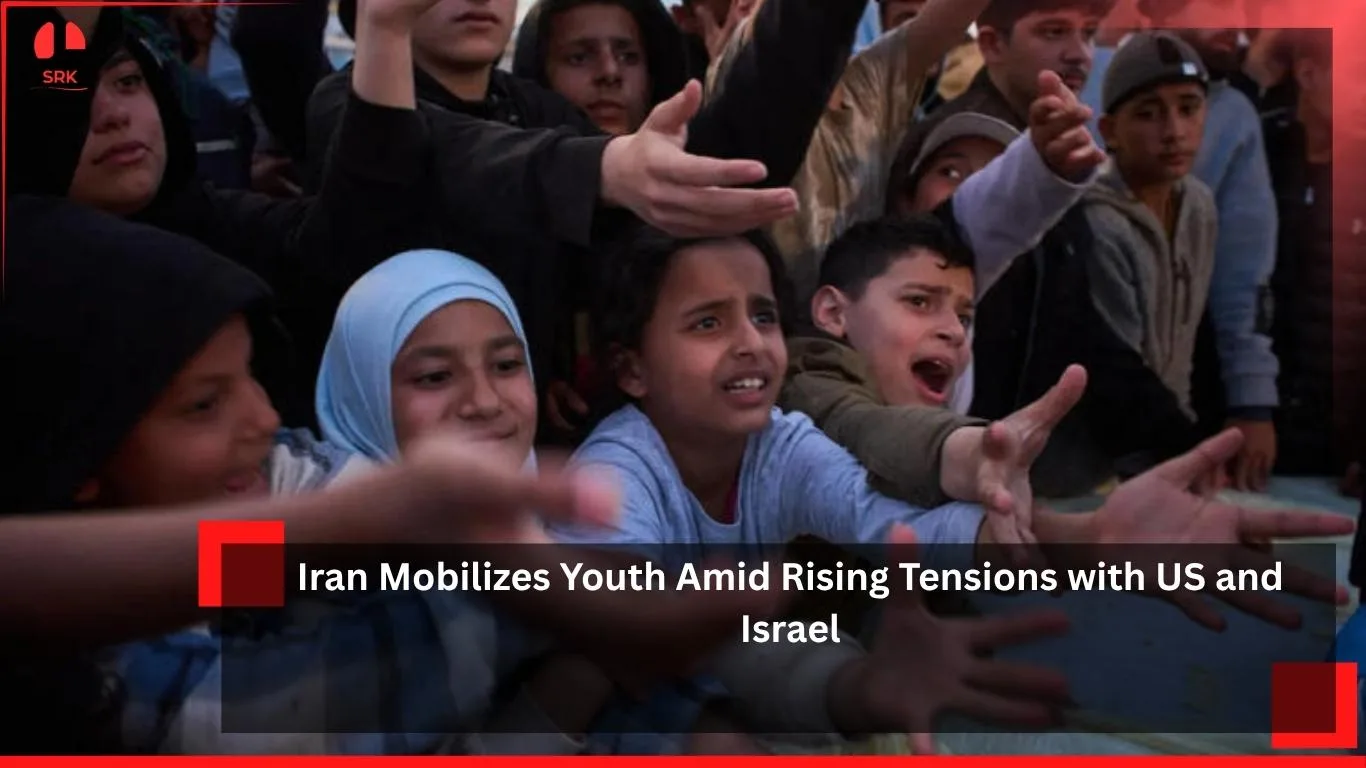
Iran has intensified efforts to mobilize its youth population amid escalating tensions with the United States and Israel. The move underscores Tehran’s strategy of leveraging its younger demographic to bolster national defense, strengthen ideological commitment, and prepare for potential confrontations in the region.
Background of Rising Tensions
The Middle East has witnessed heightened instability in recent months. Iran’s strained relations with the US and Israel have been fueled by:
- Nuclear Program Disputes: Ongoing disagreements over Iran’s nuclear ambitions.
- Regional Conflicts: Proxy wars in Syria, Lebanon, and Yemen.
- Sanctions: US-led sanctions impacting Iran’s economy.
- Military Posturing: Israel’s concerns over Iran’s influence in neighboring states.
Against this backdrop, Iran’s leadership has turned to its youth as a critical resource for national resilience.
Iran’s Youth Mobilization Strategy
Iran’s mobilization efforts involve multiple dimensions:
- Military Training: Expanding youth participation in paramilitary organizations like the Basij.
- Ideological Indoctrination: Promoting narratives of resistance against Western influence.
- Economic Engagement: Encouraging youth-led entrepreneurship to counter sanctions.
- Digital Campaigns: Using social media to spread nationalist messages.
- Community Programs: Involving youth in local governance and social welfare initiatives.
Comparative Analysis of Mobilization Approaches
| Attribute | Iran’s Youth Mobilization | US Youth Engagement | Israel’s Youth Strategy |
|---|---|---|---|
| Focus | Military & ideological | Civic & democratic | Military & national service |
| Participation | Mandatory in some areas | Voluntary | Compulsory conscription |
| Economic Role | Sanctions resilience | Innovation & startups | Defense technology |
| Ideological Narrative | Anti-Western resistance | Freedom & democracy | Security & survival |
| Global Perception | Controversial | Positive | Strategic necessity |
Pivot Analysis of Iran’s Youth Mobilization
| Factor | Before Mobilization | After Mobilization |
|---|---|---|
| National Unity | Fragmented | Strengthened |
| Military Readiness | Moderate | Enhanced |
| Ideological Influence | Declining | Reinforced |
| International Image | Neutral | More aggressive |
| Youth Participation | Limited | Expanded |
Reactions from Global Stakeholders
- United States: Expressed concern that Iran’s mobilization could destabilize the region further.
- Israel: Warned of increased threats from Iranian-backed groups.
- European Union: Called for restraint and renewed diplomatic dialogue.
- Regional Allies: Some Middle Eastern states view Iran’s mobilization as a show of strength, while others fear escalation.
Challenges Facing Iran
Despite mobilization efforts, Iran faces significant challenges:
- Economic Strain: Sanctions continue to limit opportunities for youth.
- Brain Drain: Many skilled young Iranians seek opportunities abroad.
- Social Discontent: Rising unemployment and inflation fuel frustration.
- Global Isolation: Mobilization may deepen Iran’s diplomatic isolation.
Broader Implications
Iran’s mobilization of youth highlights broader themes in geopolitics:
- Demographics as Power: Youth populations can be leveraged for national strength.
- Ideology vs. Pragmatism: Balancing nationalist narratives with economic realities.
- Regional Security: Mobilization increases risks of conflict escalation.
- Global Diplomacy: International actors must navigate complex dynamics.
Conclusion
Iran’s decision to mobilize its youth amid rising tensions with the US and Israel reflects a strategic attempt to reinforce national unity, military readiness, and ideological commitment. While the move may strengthen internal resilience, it also risks exacerbating regional instability and deepening global isolation.
The coming months will determine whether Iran’s youth mobilization translates into sustainable strength or further challenges in its already strained geopolitical landscape.
Disclaimer
This article is intended for informational purposes only. It is based on publicly available developments and does not represent official statements from the governments of Iran, the United States, or Israel. Readers should rely on official announcements for verified updates.