

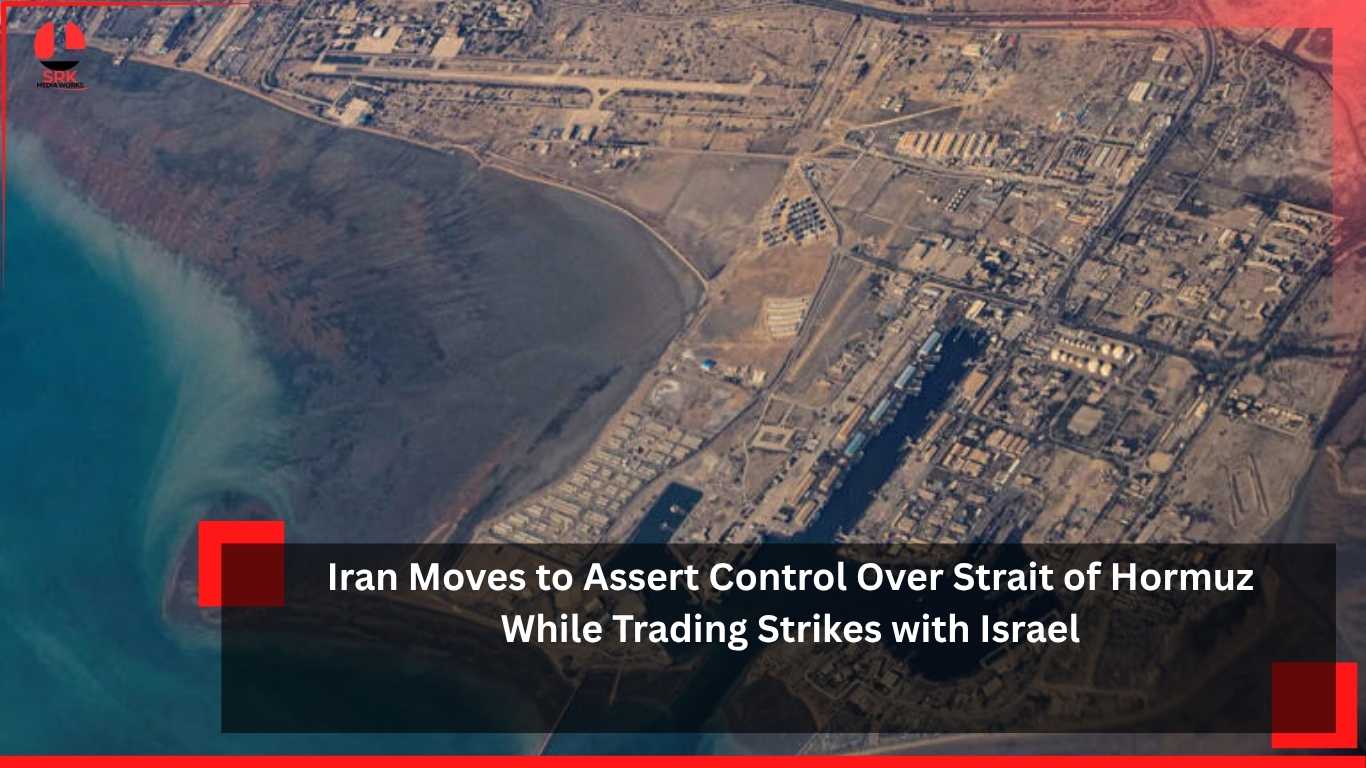
The Strait of Hormuz, one of the world’s most critical maritime chokepoints, has once again become the epicenter of escalating tensions in the Middle East. Iran has moved to assert greater control over the strait, a vital artery for global oil shipments, while simultaneously trading strikes with Israel in a dangerous escalation that threatens regional and global stability. This dual confrontation underscores the complexity of Middle Eastern geopolitics, where energy security, military strategy, and diplomatic maneuvering collide.
Strategic Importance of the Strait of Hormuz
The Strait of Hormuz is a narrow passage connecting the Persian Gulf with the Arabian Sea. Approximately 20% of the world’s oil passes through this strait, making it a critical lifeline for global energy markets. Iran’s attempt to assert control over the strait is seen as both a strategic move and a warning to adversaries.
- Geographic Significance: Only 21 miles wide at its narrowest point.
- Energy Flow: Nearly 17 million barrels of oil per day transit through the strait.
- Military Vulnerability: Easily disrupted by naval mines, missile strikes, or blockades.
Iran’s Strategy
Iran’s recent actions suggest a deliberate attempt to leverage its geographic advantage. By asserting control over the Strait of Hormuz, Tehran aims to pressure adversaries, counter sanctions, and demonstrate its ability to disrupt global markets.
Key Elements of Iran’s Strategy:
- Deployment of naval forces and missile batteries.
- Increased surveillance and patrols in the strait.
- Threats to block oil shipments if provoked.
- Use of proxy forces to expand regional influence.
Israel’s Response
Israel, already engaged in a shadow war with Iran across Syria and Lebanon, has responded with strikes targeting Iranian assets. The exchange of fire highlights the growing risk of direct confrontation between the two nations.
| Action | Iran | Israel |
|---|---|---|
| Military Strikes | Targeted Israeli-linked assets | Bombed Iranian positions |
| Proxy Engagement | Hezbollah, Houthis | Intelligence and air strikes |
| Diplomatic Messaging | Assert control over strait | Calls for global support |
Pivot Analysis: Stakeholder Narratives
| Stakeholder | Narrative | Implication |
|---|---|---|
| Iran | Control of Strait, resistance | Pressure on global oil markets |
| Israel | Security, deterrence | Risk of escalation |
| U.S. | Protect shipping lanes | Possible military involvement |
| Gulf States | Energy security | Vulnerability to disruption |
| Global Markets | Stability concerns | Oil price volatility |
Global Energy Market Impact
Iran’s move to assert control over the Strait of Hormuz has immediate implications for energy markets. Any disruption could send oil prices soaring, affecting economies worldwide.
| Scenario | Oil Price Impact | Global Response |
|---|---|---|
| Limited skirmish | Moderate increase | Strategic reserves tapped |
| Major blockade | Sharp spike | Push for renewable adoption |
| Prolonged conflict | Severe disruption | Economic slowdown globally |
Historical Parallels
Iran’s strategy echoes past confrontations in the strait, including the “Tanker War” of the 1980s, when oil shipments were targeted during the Iran-Iraq conflict. The current escalation, however, is compounded by Israel’s involvement, making the situation more volatile.
Diplomatic Reactions
- United States: Warns Iran against disrupting shipping lanes.
- European Union: Calls for restraint and diplomatic resolution.
- China & India: Concerned about energy security, urging de-escalation.
- Gulf States: Heightened military readiness to protect oil infrastructure.
Military Risks
The risk of miscalculation is high. Iran’s asymmetric warfare capabilities, including drones, naval mines, and missile systems, could inflict significant damage on adversaries. Israel’s advanced air defense and intelligence networks make it a formidable opponent, but escalation could draw in the U.S. and Gulf allies.
Conclusion
Iran’s attempt to assert control over the Strait of Hormuz while trading strikes with Israel represents a dangerous escalation with global consequences. The strait’s strategic importance makes it a flashpoint for energy security, while the Israel-Iran confrontation risks spiraling into a wider regional conflict. The world watches anxiously, aware that any misstep could trigger a crisis with far-reaching implications for global stability.
Disclaimer
This article is intended for informational and analytical purposes only. It does not represent the official stance of any government, institution, or individual mentioned. The content is based on geopolitical analysis, historical context, and public reports. Readers are encouraged to explore multiple perspectives for a comprehensive understanding of the issue.