






Expanding Maritime Claims
The Iranian government has officially announced a broad expansion of its definition regarding the Strait of Hormuz, effectively claiming jurisdiction over a significantly larger expanse of the waterway than previously recognized under international norms. This shift, communicated by Tehran’s maritime authorities this week, signals a major escalation in regional tensions as Iran asserts greater control over the world’s most critical oil chokepoint.
Contextualizing the Shift
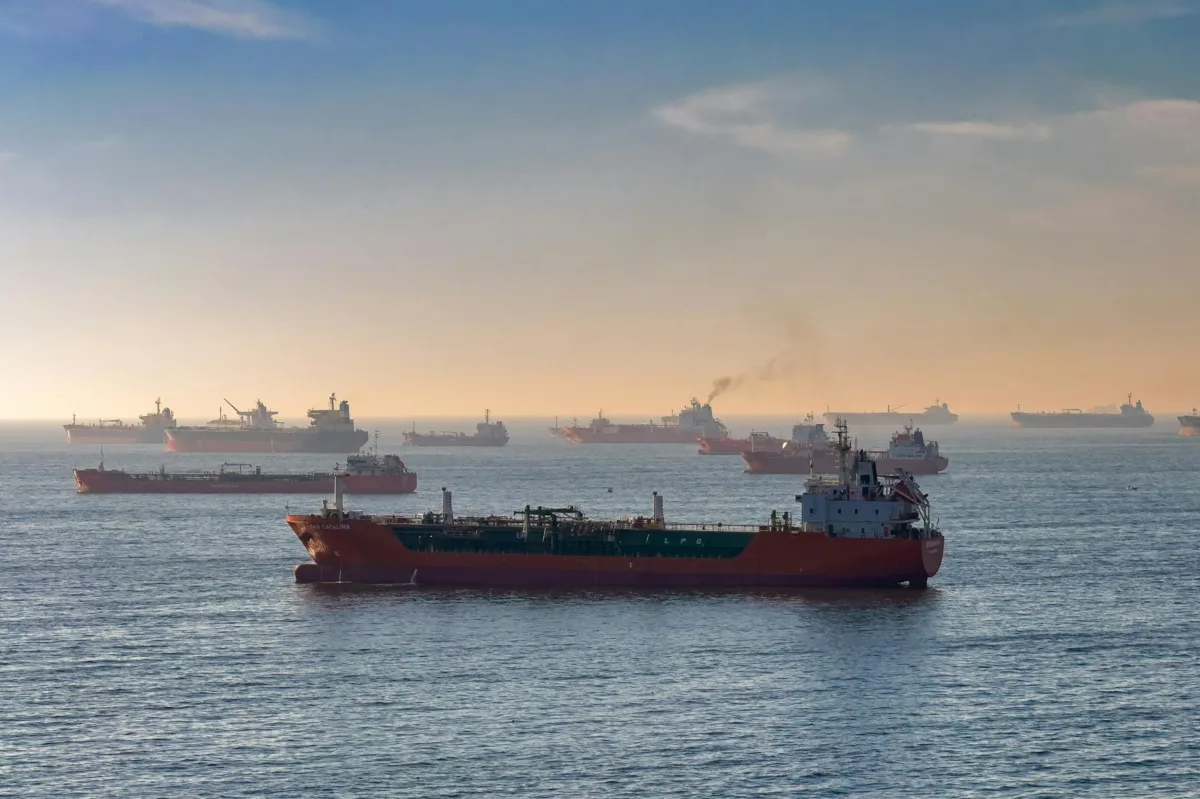
The Strait of Hormuz serves as the primary maritime artery for global energy markets, with approximately 20 to 30 percent of the world’s total oil consumption passing through its narrow passage daily. Historically, the legal status of these waters has been governed by the United Nations Convention on the Law of the Sea (UNCLOS), which defines territorial waters and international shipping lanes. Iran’s latest move challenges the established interpretation of these transit corridors, citing national security concerns linked to the ongoing conflict in the Middle East.
Strategic Implications and Military Posture
By extending its definition of the Strait, Tehran is signaling an intent to increase its regulatory and military oversight of vessels traversing the area. Analysts suggest this is a strategic maneuver designed to project power and deter adversarial naval presence in the Gulf. The move complicates operations for international shipping companies, which must now navigate heightened uncertainty regarding transit requirements and potential maritime interdiction.
Expert Perspectives
Maritime security experts note that the redefinition lacks recognition from the international community, including major powers like the United States and the European Union. According to recent data from the International Maritime Organization (IMO), any unilateral change to established shipping corridors creates significant legal friction for global commerce. “This is not merely a geographic adjustment; it is a assertion of sovereignty that challenges the freedom of navigation doctrine,” stated a senior analyst at a leading global security think tank.
Industry Impact
The shipping and insurance industries are already bracing for the implications of this policy shift. Insurance premiums for tankers and cargo vessels passing through the region have begun to climb as underwriters factor in the increased risk of detention or localized conflict. If Iran begins to enforce these new boundaries through physical patrols, the resulting disruption could trigger a spike in global energy prices and force shipping lines to reconsider their transit routes.
Looking Ahead
The coming months will be critical as the international community assesses how Tehran intends to enforce these new territorial claims. Observers are closely monitoring whether the Iranian Revolutionary Guard Corps (IRGC) will increase its presence in the expanded zones or if this remains primarily a diplomatic posturing exercise. Future developments to watch include potential challenges brought to the International Tribunal for the Law of the Sea and any subsequent naval maneuvers by international coalitions tasked with maintaining open transit routes in the Gulf.