

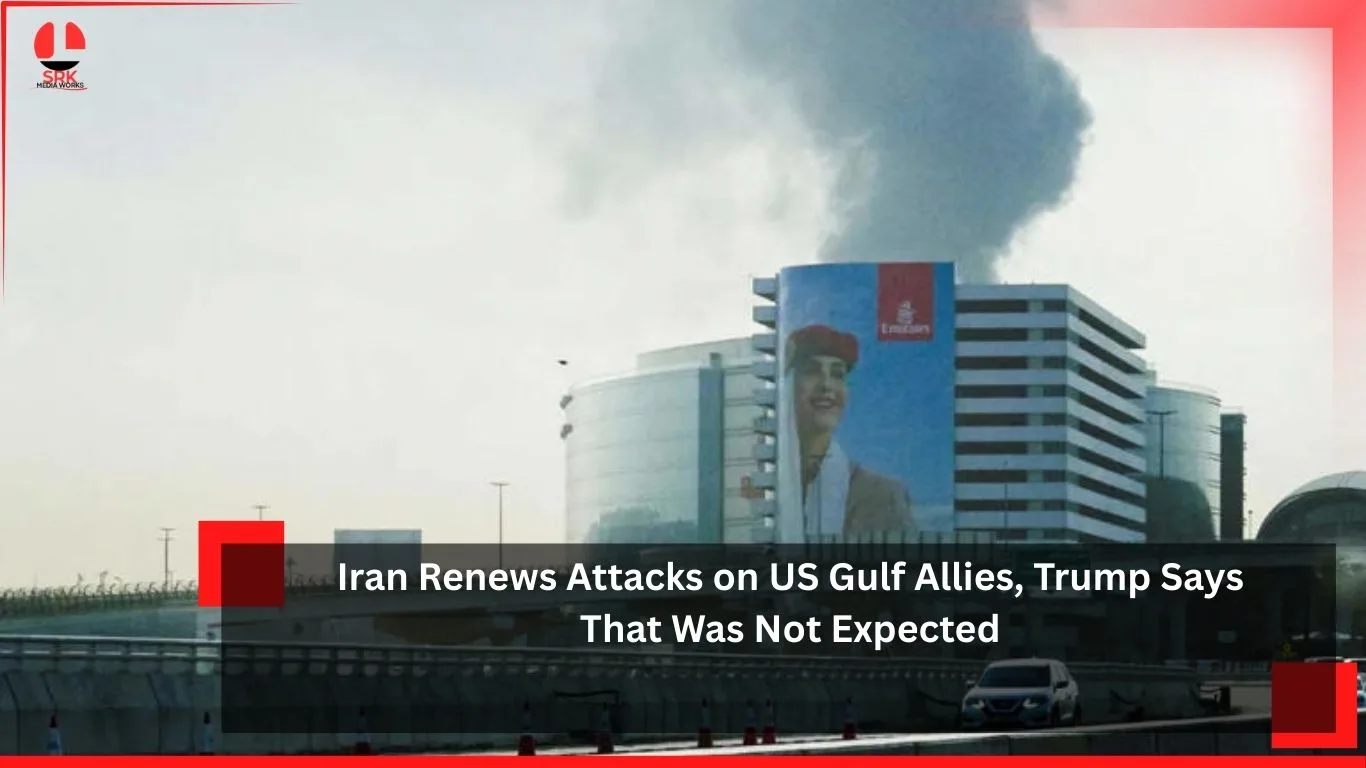
Iran’s renewed attacks on US Gulf allies have reignited tensions in the Middle East, drawing sharp reactions from global leaders. Former US President Donald Trump commented that such aggressive actions were “not expected,” underscoring the unpredictability of Iran’s military maneuvers and the potential consequences for regional stability.
Background of the Escalation
Iran has long been at odds with US-backed Gulf states, including Saudi Arabia, the United Arab Emirates, and Bahrain. These nations, aligned with Washington, have often found themselves targeted by Tehran’s military and proxy forces. The latest wave of attacks highlights Iran’s determination to challenge US influence in the region and assert its dominance in Gulf affairs.
Nature of the Attacks
Reports suggest that Iran’s renewed strikes involved:
- Drone Operations: Precision drone attacks targeting oil facilities and military bases.
- Missile Launches: Short-range ballistic missiles aimed at strategic Gulf installations.
- Naval Confrontations: Skirmishes in the Strait of Hormuz, disrupting shipping routes.
- Cyber Operations: Alleged cyber intrusions into Gulf state infrastructure.
These actions have raised alarms about the vulnerability of Gulf allies and the potential for escalation into a broader conflict.
Trump’s Reaction
Donald Trump’s statement that the attacks were “not expected” reflects both surprise and concern. During his presidency, Trump pursued a maximum pressure campaign against Iran, including sanctions and military deterrence. His reaction suggests that Iran’s renewed aggression may represent a departure from anticipated patterns of behavior, complicating US strategic calculations.
Strategic Implications
For Iran
- Demonstrates military capability and resilience despite sanctions.
- Sends a message of defiance to Washington and its allies.
- Strengthens domestic support by projecting power abroad.
For US Gulf Allies
- Exposes vulnerabilities in defense systems.
- Increases reliance on US military protection.
- Raises concerns about economic stability, particularly in oil markets.
For Global Powers
- Russia and China may view Iran’s actions as opportunities to expand influence.
- Western nations face pressure to respond, risking escalation.
- Neutral states worry about disruptions to global energy supplies.
Comparative Analysis of Iran-Gulf Conflict
| Dimension | Iran’s Strategy | Gulf Allies’ Response | Global Impact |
|---|---|---|---|
| Military | Drone and missile strikes | Strengthening air defense | Rising regional tensions |
| Economic | Targeting oil facilities | Diversifying trade routes | Volatile energy markets |
| Diplomatic | Defiance against US | Appeals to Western allies | Polarization of global blocs |
| Cybersecurity | Infrastructure attacks | Increased cyber defense | Heightened digital warfare |
Pivot Analysis of Global Reactions
| Stakeholder | Reaction | Consequence |
|---|---|---|
| United States | Condemnation, calls for restraint | Possible military reinforcement in Gulf |
| Gulf Allies | Heightened security measures | Increased dependency on US defense |
| Russia & China | Strategic silence or subtle support | Expanded influence in Middle East |
| European Union | Diplomatic appeals for de-escalation | Limited impact without military involvement |
Historical Context
Iran’s confrontations with US Gulf allies are not new. From the Iran-Iraq War to the more recent proxy conflicts in Yemen and Syria, Tehran has consistently sought to undermine US-backed coalitions. The latest attacks fit into a broader historical pattern of resistance against Western influence, but their intensity suggests a renewed determination to reshape regional dynamics.
Possible Scenarios
- Escalation into Wider Conflict: Continued attacks could trigger direct US military intervention.
- Diplomatic Mediation: International actors may push for negotiations to prevent further escalation.
- Proxy Expansion: Iran may intensify support for allied militias in Yemen, Iraq, and Lebanon.
- Economic Fallout: Oil markets could face severe disruptions, impacting global economies.
Global Consequences
- Energy Security: Disruptions in Gulf oil exports could destabilize global markets.
- Military Alliances: US may strengthen defense pacts with Gulf allies.
- Diplomatic Polarization: Nations may be forced to choose sides in the conflict.
- Cybersecurity Risks: Increased likelihood of cyber warfare targeting critical infrastructure worldwide.
Conclusion
Iran’s renewed attacks on US Gulf allies, coupled with Trump’s remark that such aggression was “not expected,” highlight the volatility of Middle Eastern geopolitics. The situation underscores the fragility of regional security, the vulnerability of global energy markets, and the potential for escalation into a broader conflict. As the world watches, the balance of power in the Gulf remains precarious, with every move carrying profound consequences.
Disclaimer
This article is based on speculative reports and political statements regarding Iran’s renewed attacks on US Gulf allies. The details of the military operations remain unverified, and interpretations are subject to change as new information emerges. The content is intended for informational and analytical purposes only.