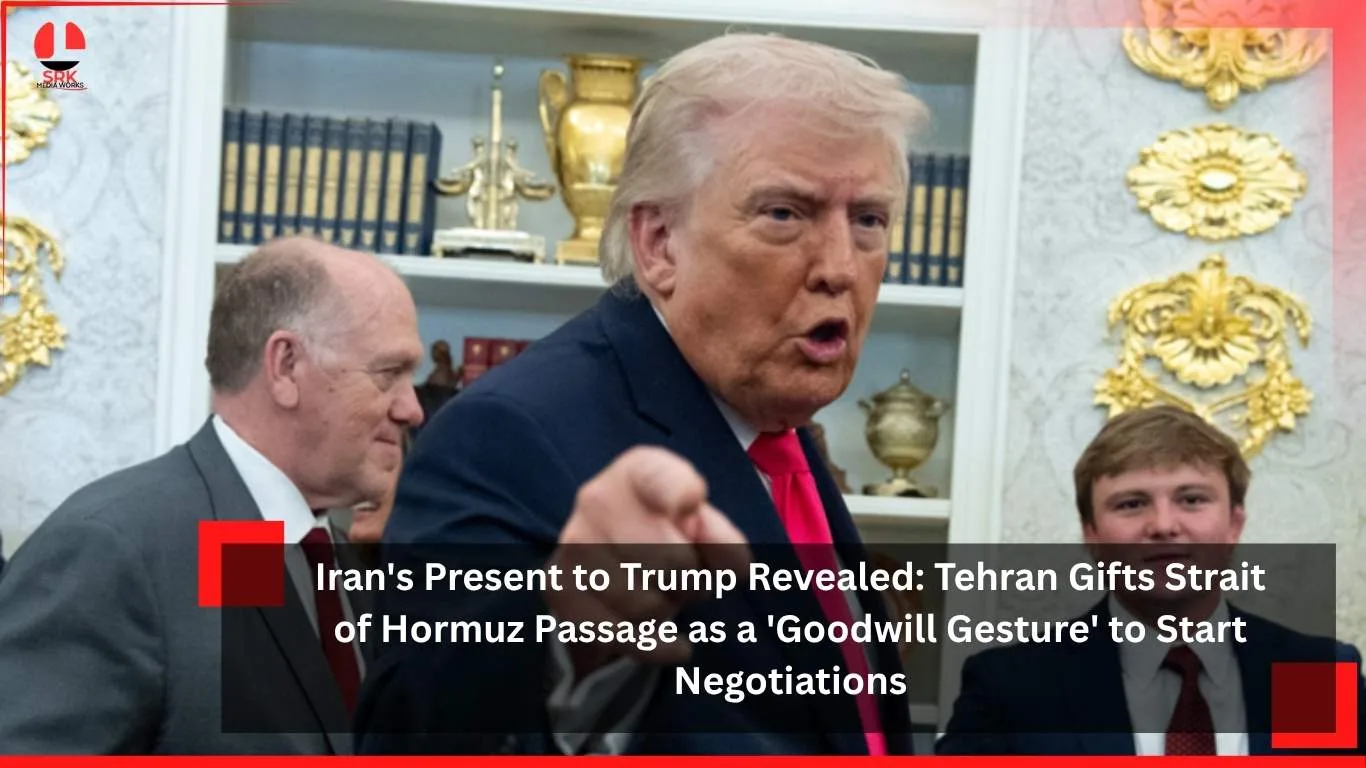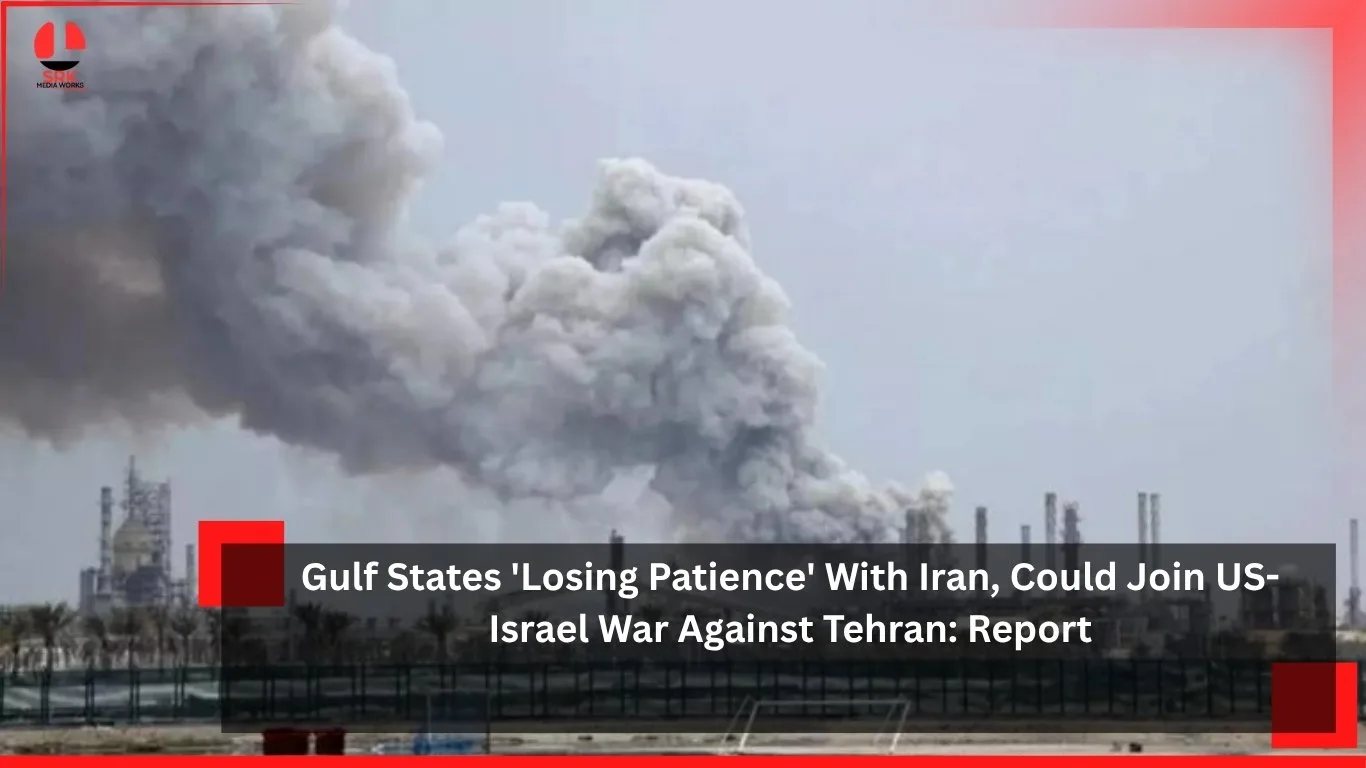



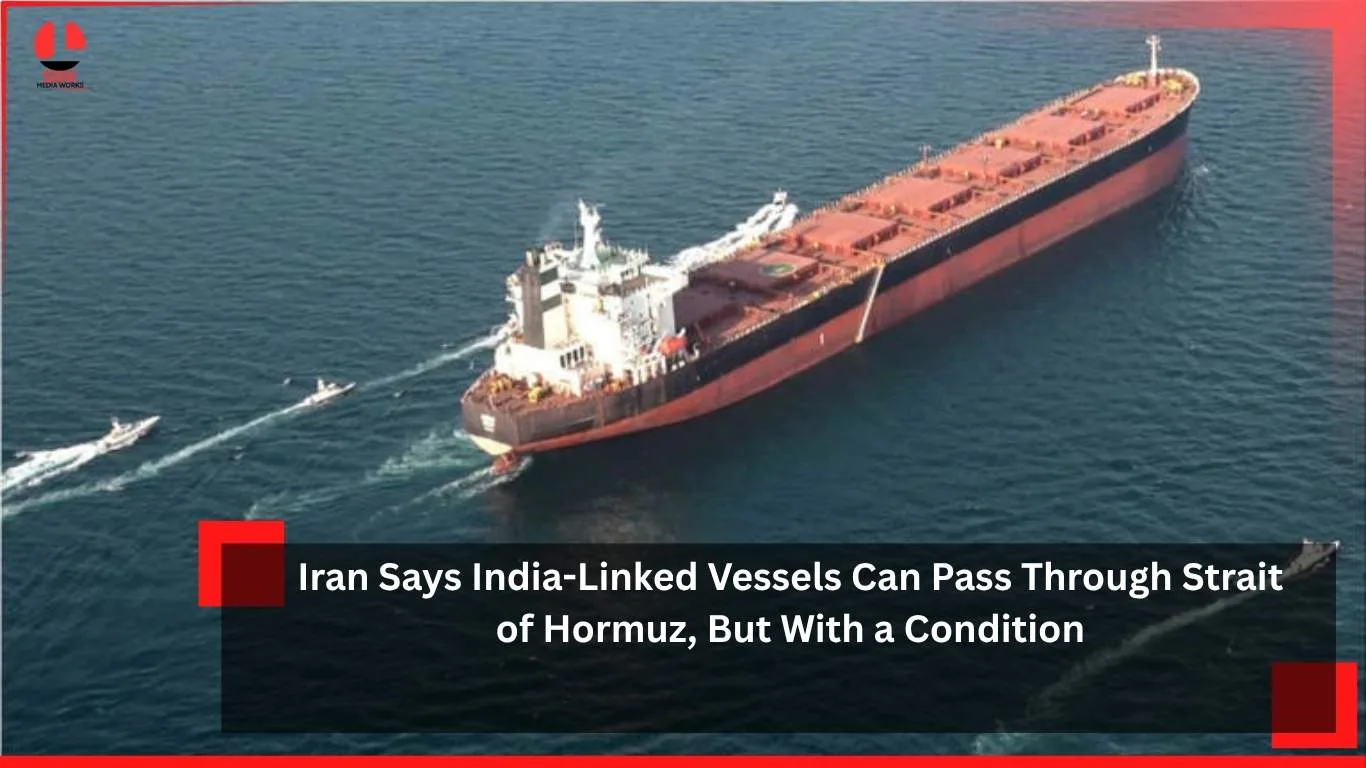
Iran has announced that India-linked vessels will be allowed safe passage through the Strait of Hormuz, one of the world’s most critical maritime chokepoints, but only under specific conditions. This development comes amid heightened tensions in West Asia, where Tehran has been accused of targeting commercial shipping in response to US and allied military actions.
The Condition Set by Iran
According to reports, Iran has clarified that India-linked vessels can pass through the Strait of Hormuz only if they are not carrying military supplies or supporting US-Israel operations.
- Civilian Cargo Permitted: Oil, gas, and commercial goods will be allowed safe passage.
- Military Restrictions: Any vessel suspected of transporting arms or intelligence equipment may be intercepted.
- Neutrality Clause: Iran expects India to maintain neutrality in the ongoing conflict.
Why the Strait of Hormuz Matters
The Strait of Hormuz is one of the most strategically important waterways in the world.
- Global Oil Supply: Nearly 20% of the world’s oil passes through this strait.
- Energy Security: India, heavily dependent on Gulf energy imports, relies on safe passage.
- Geopolitical Hotspot: The strait has been at the center of US-Iran tensions for decades.
India’s Position
India has historically maintained a balanced approach in West Asia.
- Energy Dependence: India imports a significant portion of crude oil from Gulf nations.
- Strategic Neutrality: New Delhi avoids direct involvement in US-Iran conflicts.
- Diplomatic Engagement: India continues to engage both Tehran and Washington to safeguard its interests.
Comparative Analysis of Shipping Risks
| Vessel Type | Risk Level | Iran’s Stance | Outlook |
|---|---|---|---|
| Civilian Oil Tankers | Low | Allowed passage | Stable |
| Commercial Cargo | Low | Permitted if neutral | Stable |
| Military Supply Ships | High | Restricted, possible interception | Risky |
| Intelligence-linked vessels | Very High | Not permitted | Severe risk |
Sector-Wise Impact of Iran’s Condition
| Sector | Impact | Outlook |
|---|---|---|
| Energy Imports | Oil shipments remain safe | Stable supply |
| Trade & Shipping | Neutral cargo allowed | Continued operations |
| Defense Logistics | Restricted movement | Strategic challenges |
| Diplomacy | India must balance ties | Careful engagement |
| Global Markets | Reduced risk of oil shock | Moderate stability |
Risks and Challenges
- Escalation of Conflict: Any misinterpretation of cargo could lead to vessel seizures.
- Economic Fallout: Disruption in oil supply would impact India’s inflation and growth.
- Diplomatic Pressure: India faces pressure from both US and Iran to take sides.
- Security Concerns: Indian shipping companies must ensure compliance with neutrality clauses.
Long-Term Implications
- Energy Security: India may diversify energy imports to reduce dependence on the Strait of Hormuz.
- Strategic Autonomy: Maintaining neutrality will be crucial for India’s foreign policy.
- Global Trade Routes: Alternative shipping routes may gain importance.
- Regional Diplomacy: India’s role as a neutral player could strengthen its global credibility.
Conclusion
Iran’s announcement that India-linked vessels can pass through the Strait of Hormuz, but only under specific conditions, highlights the fragile balance of power in West Asia. For India, the condition underscores the importance of neutrality and careful diplomacy. While civilian cargo remains safe, any involvement in military logistics could jeopardize India’s shipping interests and energy security.
Disclaimer
This article is intended for informational purposes only and does not constitute diplomatic or strategic advice. The views expressed are based on reported developments as of March 2026. Readers should consider multiple perspectives before forming conclusions about international conflicts and maritime security.