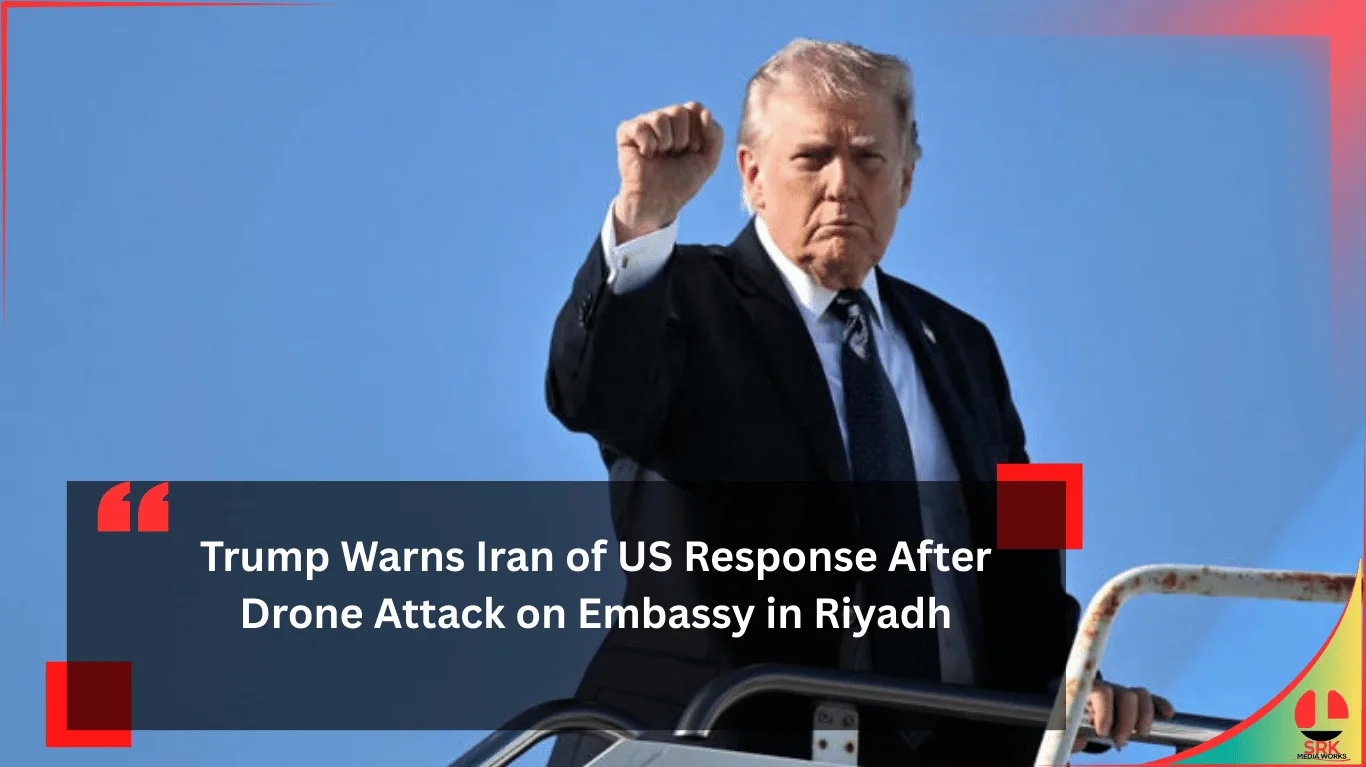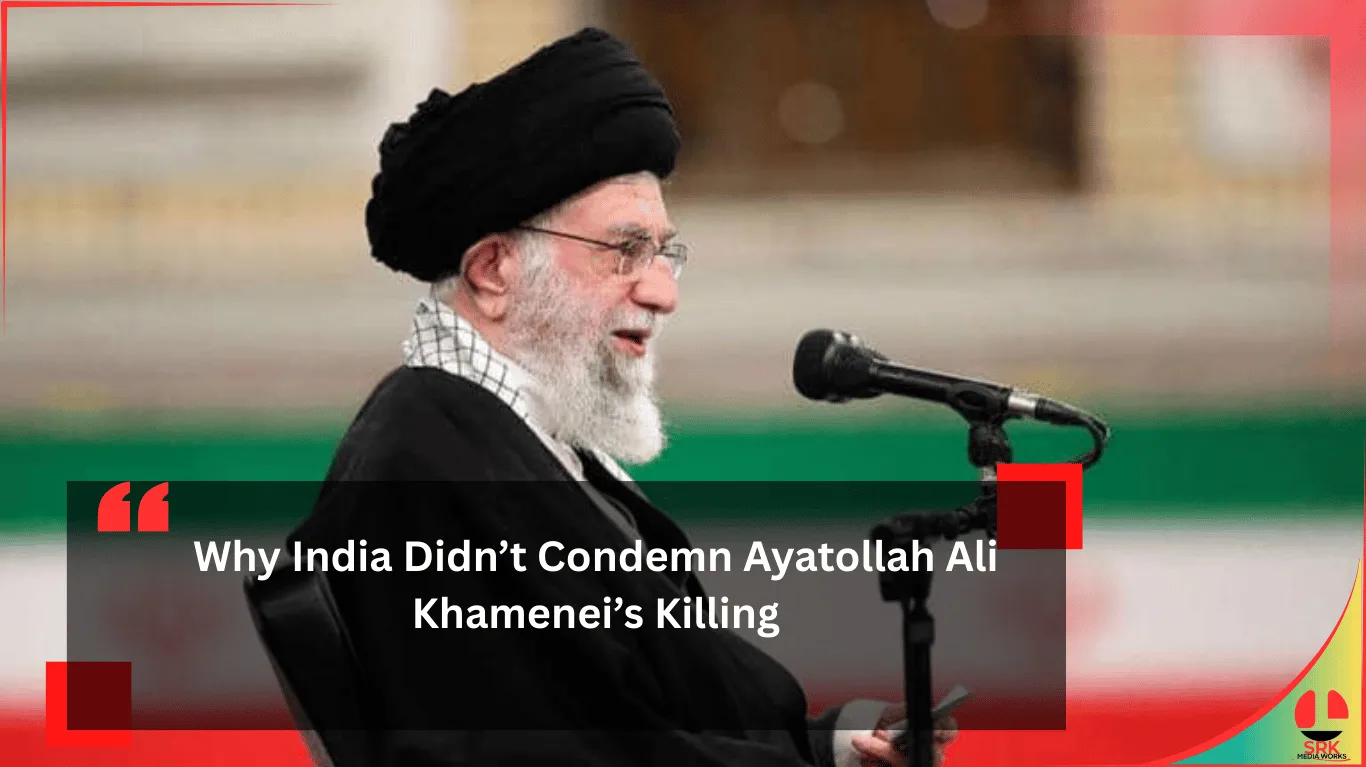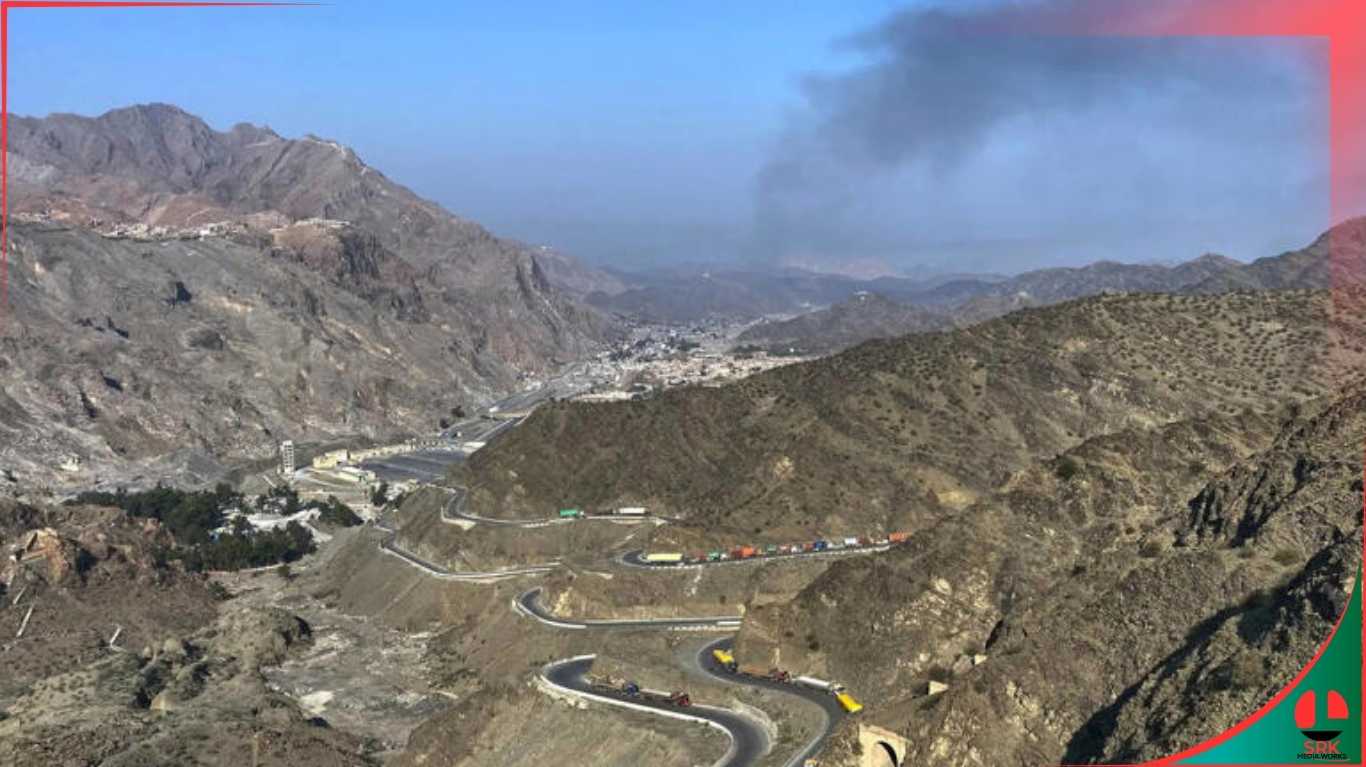




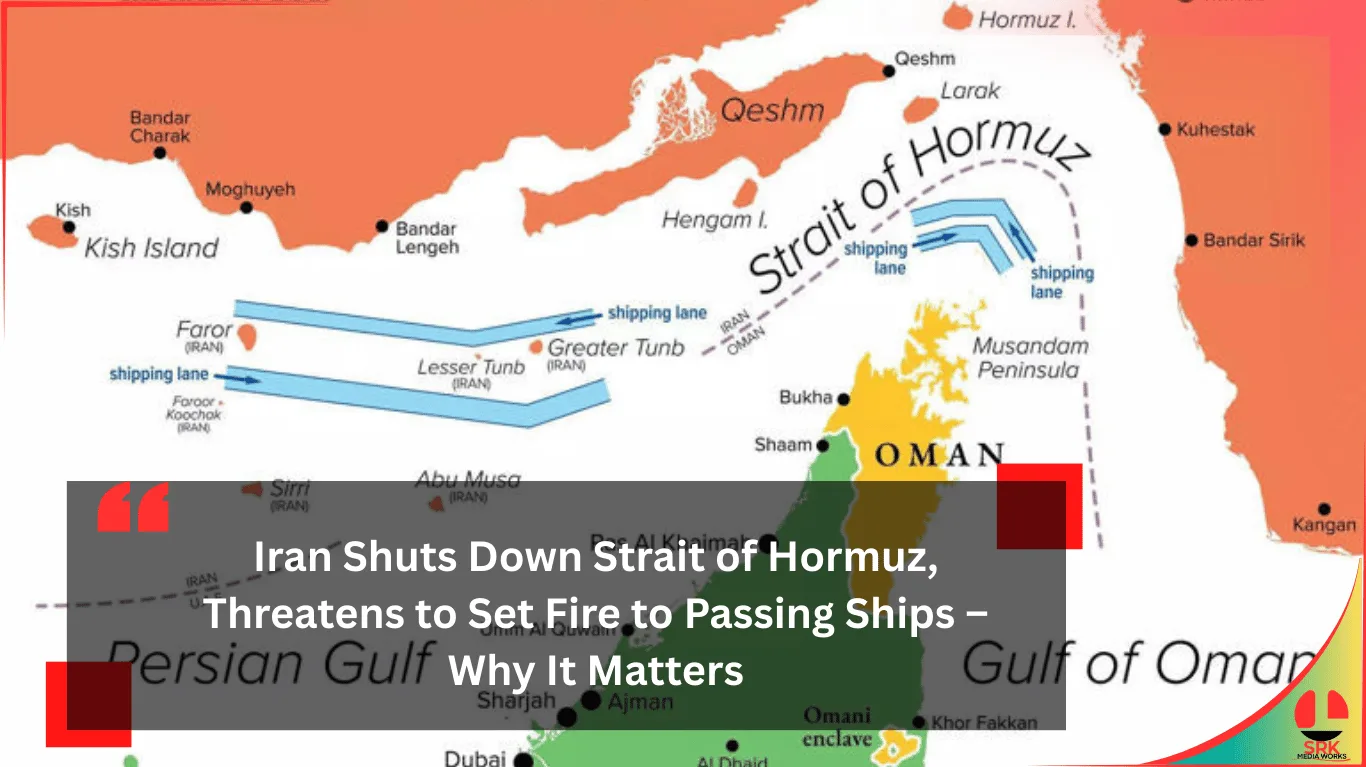
In a dramatic escalation of tensions in West Asia, Iran has announced the closure of the Strait of Hormuz, one of the world’s most critical maritime chokepoints. Iranian officials declared that they would “set on fire any ship that passes through,” signaling a direct threat to global energy supplies and international trade. This move has sent shockwaves across global markets, raising fears of supply disruptions, military confrontations, and economic instability.
Why the Strait of Hormuz Matters
The Strait of Hormuz is a narrow waterway connecting the Persian Gulf with the Arabian Sea and the wider Indian Ocean. It is considered the most important oil transit chokepoint in the world.
Key Facts:
- Global Oil Transit: Roughly 20% of the world’s petroleum passes through the Strait.
- Daily Volume: Around 18–20 million barrels of oil are shipped daily.
- Strategic Location: It lies between Iran and Oman, making it geopolitically sensitive.
- Global Dependence: Major economies including India, China, Japan, and European nations rely heavily on oil shipments through this route.
Comparative Analysis of Global Chokepoints
| Chokepoint | Location | Daily Oil Transit | Strategic Importance |
|---|---|---|---|
| Strait of Hormuz | Iran-Oman | 18–20 million barrels | Most critical globally |
| Strait of Malacca | Malaysia-Indonesia | 16 million barrels | Key for Asian economies |
| Suez Canal | Egypt | 5 million barrels | Vital for Europe |
| Bab el-Mandeb | Yemen-Djibouti | 4.8 million barrels | Important for Red Sea trade |
Pivot Analysis of Global Sentiment
| Sentiment Category | Impact on Global Economy | Impact on Regional Politics | Impact on Security |
|---|---|---|---|
| Investor Confidence | Sharp decline – oil prices surge | Regional instability worsens | Heightened military presence |
| Diplomatic Response | Calls for restraint | Gulf nations alarmed | US and allies consider intervention |
| Public Perception | Rising anxiety over fuel costs | Citizens demand stability | Fear of escalation |
| Media Coverage | Extensive – global headlines | Focus on Iran’s defiance | Highlights vulnerability of trade routes |
Iran’s Strategy Behind the Move
Iran’s decision to shut down the Strait of Hormuz is seen as a response to mounting international pressure, sanctions, and regional conflicts. By threatening global oil supplies, Iran aims to:
- Exert Leverage: Use energy dependence as a bargaining tool.
- Challenge Rivals: Send a message to the US, Israel, and Gulf nations.
- Domestic Politics: Rally nationalist sentiment within Iran.
- Global Disruption: Force major powers to reconsider sanctions and policies.
Global Reactions
- United States: Condemned Iran’s move, warning of consequences and deploying naval assets to the region.
- European Union: Called for restraint and emphasized the need for diplomatic solutions.
- Gulf Nations: Expressed alarm, with Saudi Arabia and UAE seeking alternative routes.
- Asian Economies: India, China, and Japan voiced concern over energy security.
Challenges Ahead
The closure of the Strait of Hormuz presents multiple challenges:
- Energy Security: Nations dependent on Gulf oil face immediate risks.
- Military Escalation: Increased naval deployments raise the risk of conflict.
- Economic Impact: Rising oil prices could trigger inflation globally.
- Diplomatic Deadlock: Finding a peaceful resolution will be difficult amid entrenched positions.
Opportunities Amid Crisis
Despite the risks, the crisis also presents opportunities:
- Diversification: Countries may accelerate investment in renewable energy.
- Strategic Alliances: Nations could strengthen partnerships to secure energy supplies.
- Innovation: Push for alternative shipping routes and technologies.
- Global Dialogue: Renewed focus on diplomacy and conflict resolution.
Broader Implications
The Strait of Hormuz crisis underscores the fragility of global trade routes and the interconnectedness of economies. It highlights:
- Energy Dependence: The world’s reliance on a few chokepoints for oil transit.
- Geopolitical Risks: How regional conflicts can disrupt global stability.
- Need for Alternatives: Importance of diversifying energy sources and routes.
Conclusion
Iran’s decision to shut down the Strait of Hormuz and threaten passing ships marks a dangerous escalation with global consequences. As one of the world’s most vital energy corridors, its closure impacts not just regional politics but the entire global economy. The crisis highlights the urgent need for diplomatic engagement, energy diversification, and collective security measures to prevent further instability.
Disclaimer
This article is a journalistic analysis based on publicly available information and geopolitical trends. It does not endorse or oppose any government, leader, or institution. Readers are encouraged to interpret the content as informative coverage and verify facts independently before forming opinions.