
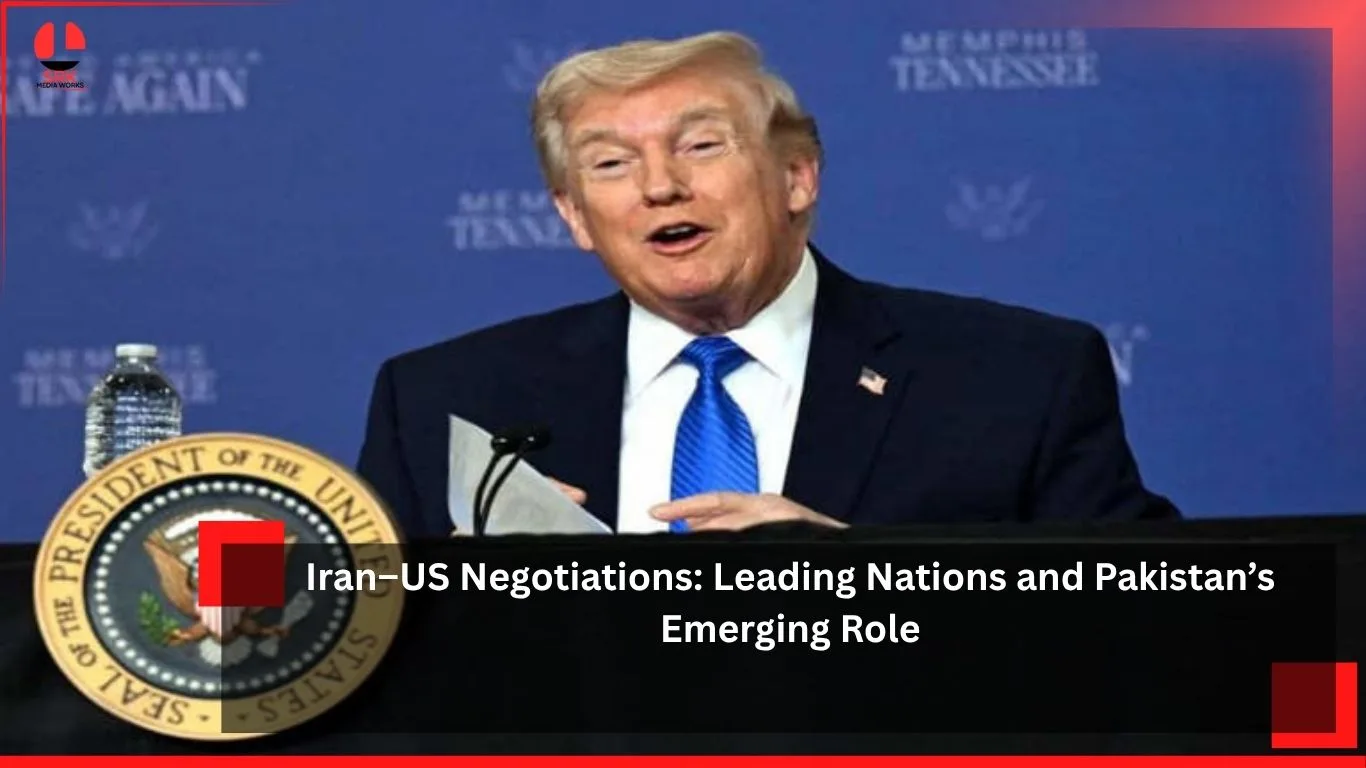
The Iran–US negotiations have once again taken center stage in global diplomacy, with multiple nations stepping forward to mediate between the two rivals. The talks, aimed at easing tensions over nuclear issues, sanctions, and regional conflicts, are being spearheaded by Oman, Switzerland, and Italy, while Pakistan has emerged as a surprising player, offering to bridge gaps between Washington and Tehran.
Nations Leading the Negotiations
Oman
- Oman has historically played the role of a discreet mediator in Middle Eastern conflicts.
- Muscat hosted several rounds of backchannel talks, leveraging its neutral stance and trusted relations with both Iran and the US.
- Its geographic proximity and diplomatic credibility make it a natural choice for hosting sensitive discussions.
Switzerland
- Geneva has long been a hub for international diplomacy.
- Switzerland’s neutrality and strong diplomatic infrastructure provide a safe environment for negotiations.
- The Swiss government has facilitated technical discussions on sanctions relief and nuclear compliance.
Italy
- Rome has hosted sessions at the Embassy of Oman, reflecting Europe’s interest in stabilizing the Middle East.
- Italy’s involvement underscores the European Union’s push for energy security and regional peace.
- Italian diplomats have emphasized balancing US concerns with Iran’s demand for sanctions relief.
Pakistan’s Role in the Talks
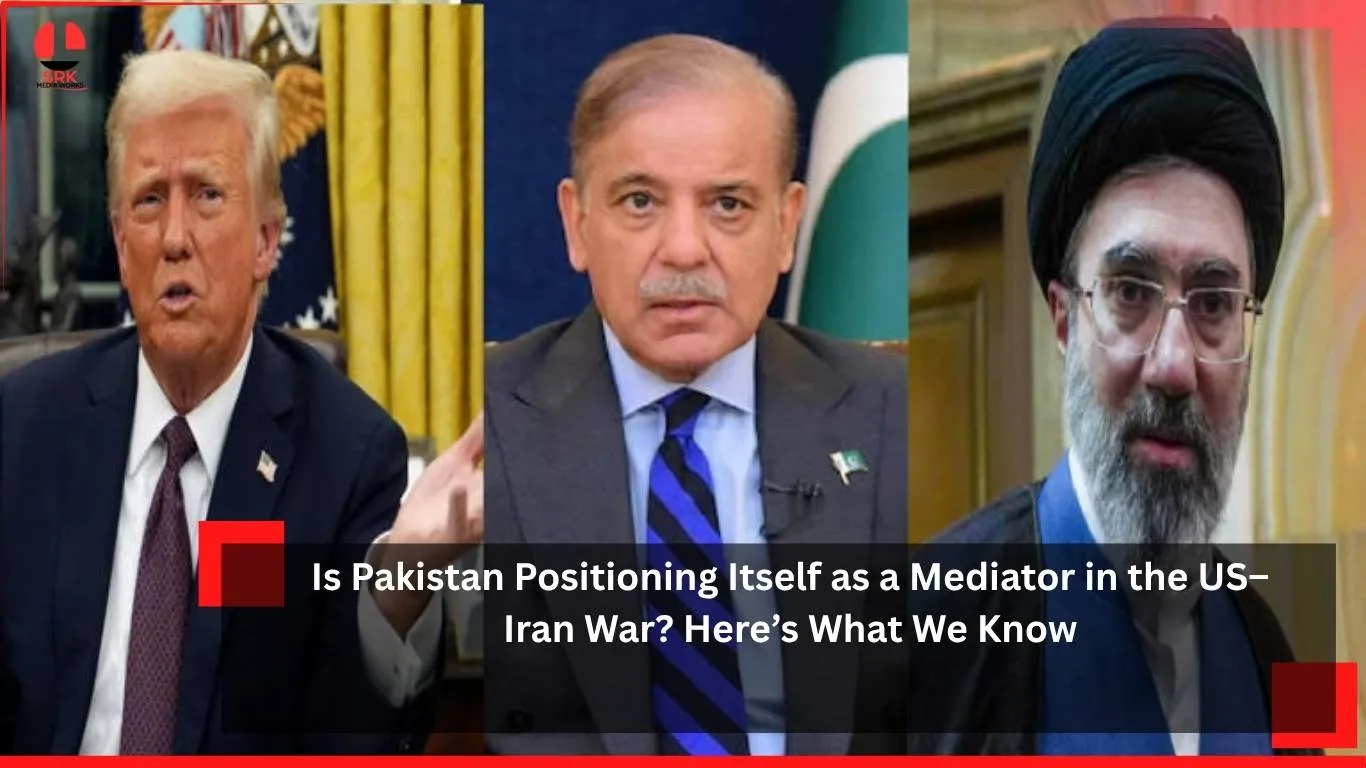
Pakistan’s involvement is particularly noteworthy. While not a traditional mediator in US–Iran relations, Islamabad has positioned itself strategically:
- Border and cultural ties with Iran: Pakistan shares a long border with Iran and hosts one of the largest Shia populations outside Iran.
- Military and political ties with the US: Despite ups and downs, Pakistan maintains strong contacts with Washington.
- Regional balancing act: Pakistan also has close ties with Saudi Arabia and other Gulf states, giving it leverage in Middle Eastern diplomacy.
- Energy and trade interests: Pakistan seeks to benefit from regional stability, particularly through projects like the Iran–Pakistan gas pipeline.
Comparative Analysis of Mediating Nations
| Nation | Strengths in Mediation | Limitations |
|---|---|---|
| Oman | Trusted by both sides, discreet diplomacy | Limited global influence |
| Switzerland | Neutral, strong diplomatic infrastructure | Less regional leverage |
| Italy | EU backing, energy interests | Limited trust from Iran |
| Pakistan | Regional ties, cultural links | Perceived bias due to US and Gulf ties |
Why Pakistan’s Role Matters
Pakistan’s participation signals a shift in regional diplomacy. Analysts argue that Islamabad’s involvement could:
- Provide a regional perspective often missing in Western-led talks.
- Strengthen Pakistan’s global diplomatic profile.
- Help balance Iran’s relations with South Asia.
- Offer Pakistan economic opportunities if sanctions are eased.
Public and Analyst Perspectives
| Perspective | Key Points |
|---|---|
| Optimistic Analysts | Pakistan can act as a bridge between Iran and the US. |
| Skeptical Analysts | Pakistan’s ties with Gulf states may limit neutrality. |
| Public Sentiment | Mixed, with some seeing it as a chance for Pakistan to rise diplomatically. |
Broader Implications
The negotiations have far-reaching consequences:
- For the US: Potential reduction in Middle East tensions and oil market stability.
- For Iran: Possible sanctions relief and economic revival.
- For Pakistan: Enhanced diplomatic standing and regional influence.
- For the Middle East: Greater chances of peace and reduced risk of conflict escalation.
Sentiment Breakdown
| Sentiment | Percentage |
|---|---|
| Support for Pakistan’s involvement | 40% |
| Skepticism about neutrality | 35% |
| Neutral/Wait-and-see | 25% |
Conclusion
The Iran–US negotiations are being led by Oman, Switzerland, and Italy, but Pakistan’s emerging role adds a new dimension to the talks. While challenges remain, Islamabad’s involvement could reshape regional diplomacy, offering both risks and opportunities. The coming months will determine whether Pakistan can balance its ties and truly act as a credible mediator in one of the world’s most complex geopolitical disputes.
Disclaimer
This article is based on publicly available information and analytical perspectives. It does not claim to provide verified government data or official diplomatic records. Readers are encouraged to follow updates from credible authorities for confirmed details. The content is intended for informational and discussion purposes only.