



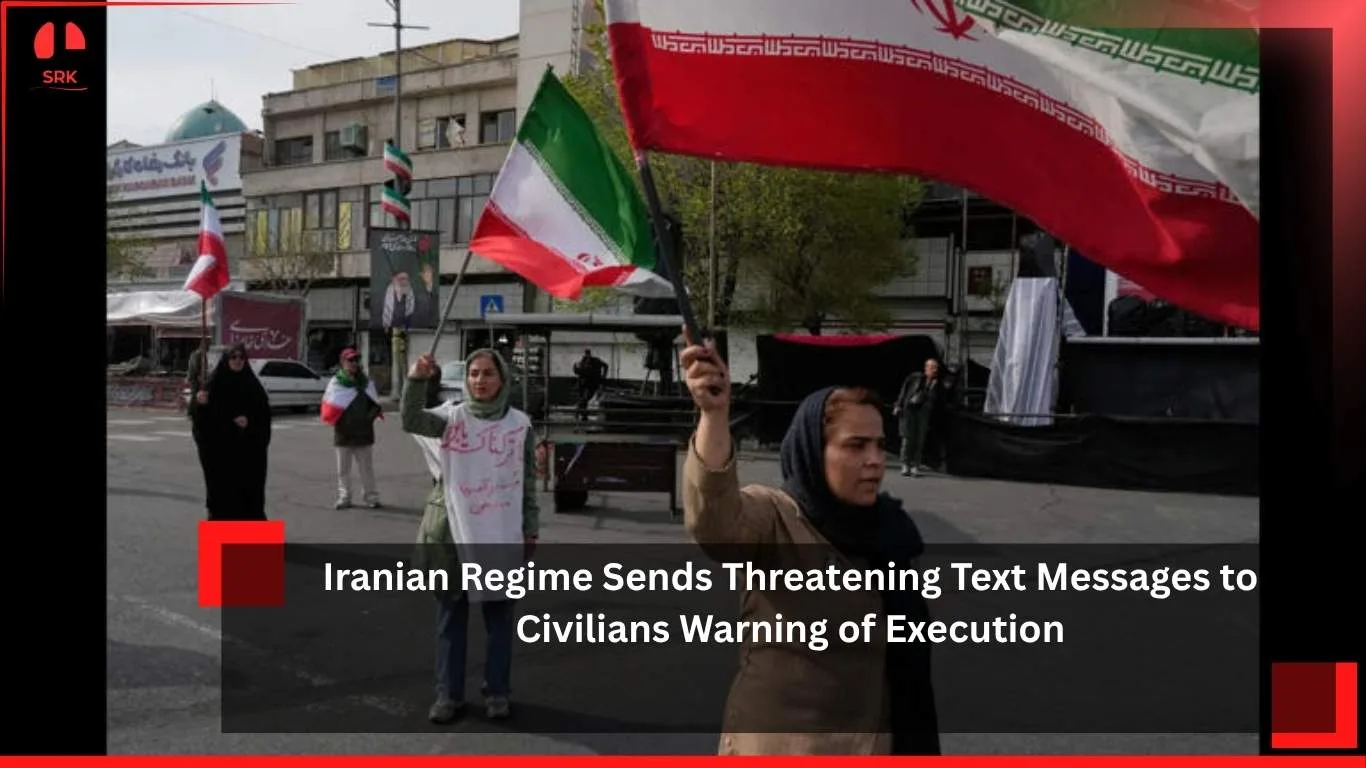
The Iranian regime has intensified its crackdown on dissent by reportedly sending text messages directly to civilians, warning them that they could face execution if they continue to oppose government policies or participate in protests. This alarming development has sparked outrage among human rights organizations and raised concerns about the regime’s use of digital surveillance and intimidation tactics to silence its population.
Background of the Crackdown
Iran has faced waves of protests in recent years, driven by economic hardship, political repression, and demands for greater freedoms. The government has responded with arrests, censorship, and violent crackdowns. The latest tactic—sending threatening text messages—marks a chilling escalation in the regime’s efforts to control dissent.
Nature of the Threats
Reports suggest that civilians received messages stating they would be executed if they continued to engage in anti-government activities. These texts are believed to be part of a broader campaign of intimidation, designed to:
- Instill fear among protesters.
- Deter participation in demonstrations.
- Signal the regime’s willingness to use capital punishment as a deterrent.
Comparative Analysis of Repressive Tactics
| Tactic | Method of Implementation | Impact on Civilians |
|---|---|---|
| Mass Arrests | Police raids, detentions | Fear, overcrowded prisons |
| Internet Shutdowns | Blocking social media | Isolation, reduced communication |
| Threatening Texts | Direct digital warnings | Psychological intimidation |
| Public Executions | State-sanctioned killings | Extreme fear, deterrence |
Public Reaction
The public response has been one of shock and fear. Many Iranians see the text messages as a violation of basic human rights and an attempt to weaponize technology against civilians. Social media discussions reveal:
- Fear and anxiety among recipients.
- Anger and defiance from activists who refuse to be silenced.
- Calls for international intervention to hold the regime accountable.
International Response
Human rights organizations and global leaders have condemned the tactic, labeling it as:
- Digital authoritarianism.
- Psychological warfare against civilians.
- A violation of international law, particularly the right to free expression and protection from cruel punishment.
Analysts’ Perspectives
| Perspective | Key Points |
|---|---|
| Human Rights Analysts | Text threats represent a new form of repression. |
| Political Analysts | Regime is desperate to maintain control amid unrest. |
| Security Analysts | Digital surveillance is being weaponized against citizens. |
Broader Implications
The use of threatening text messages highlights the regime’s reliance on technology to suppress dissent. This has several implications:
- Erosion of trust in communication systems.
- Increased fear among civilians, leading to self-censorship.
- Global concern about authoritarian regimes using similar tactics elsewhere.
Sentiment Breakdown
| Sentiment | Percentage |
|---|---|
| Fear and compliance | 45% |
| Anger and defiance | 35% |
| Neutral/Confused | 20% |
Long-Term Outlook
If the regime continues to use such tactics, Iran could face:
- Greater isolation from the international community.
- Escalating protests, as fear may eventually give way to defiance.
- Technological backlash, with civilians seeking secure communication methods to evade surveillance.
Conclusion
The Iranian regime’s decision to send threatening text messages to civilians warning of execution marks a disturbing new chapter in its crackdown on dissent. While the tactic may instill fear in the short term, it risks fueling greater resistance and drawing stronger condemnation from the international community. The coming months will reveal whether intimidation through technology can silence a population or whether it will spark even greater demands for freedom.
Disclaimer
This article is based on publicly available information and analytical perspectives. It does not claim to provide verified government data or official investigative records. Readers are encouraged to follow updates from credible authorities for confirmed details. The content is intended for informational and discussion purposes only.