


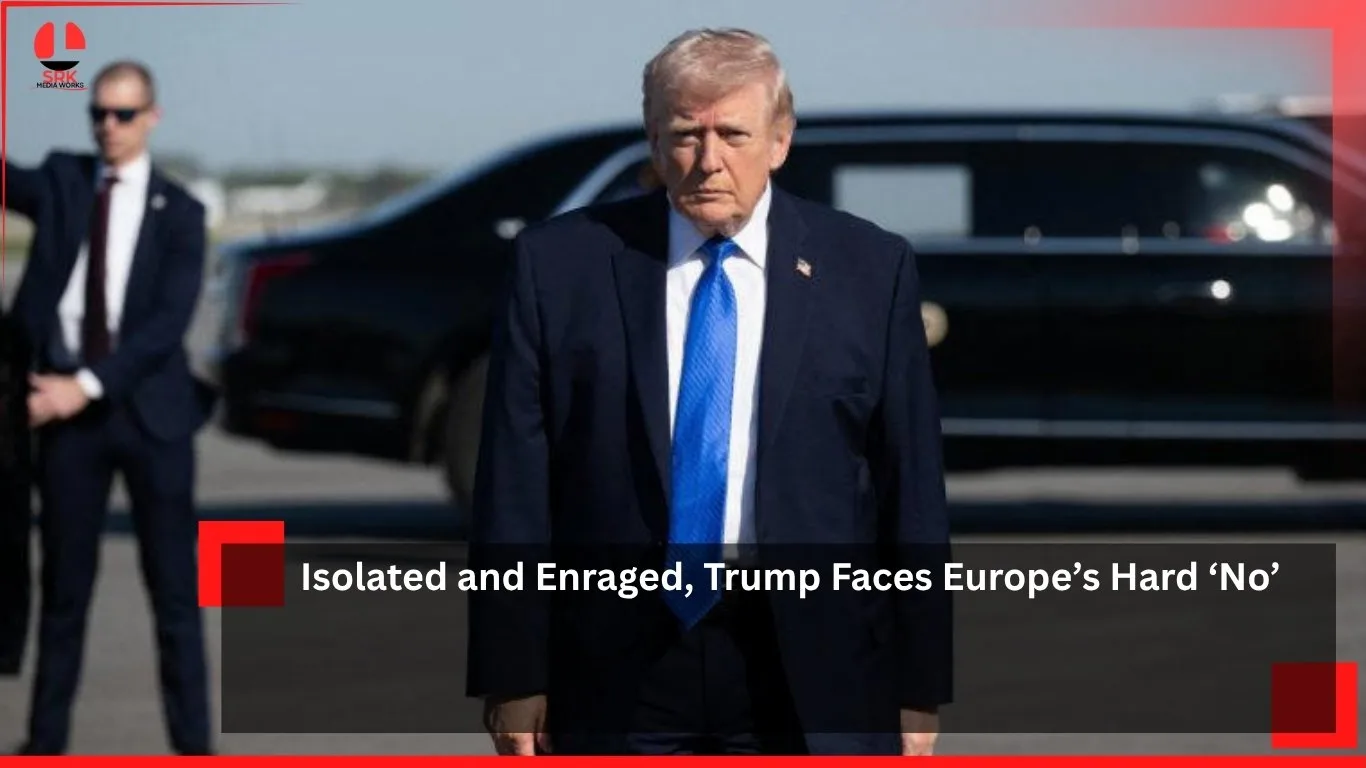
In the unfolding drama of transatlantic relations, former U.S. President Donald Trump finds himself increasingly isolated as European leaders prepare to deliver a firm rejection of his demands and rhetoric. The situation underscores a widening gap between Washington’s aggressive posture and Europe’s cautious, consensus-driven approach to global challenges.
Context of the Rift
Trump’s confrontational style has long been a source of tension with European allies. His demands for greater defense spending, skepticism toward multilateral institutions, and unilateral policy decisions have often clashed with Europe’s preference for diplomacy and collective action. The latest developments suggest that Europe is ready to push back decisively, signaling a hard “no” to Trump’s attempts to dictate terms.
Key Issues Driving the Divide
- Defense Spending: Trump has repeatedly criticized NATO members for not meeting the 2% GDP defense spending target.
- Trade Disputes: Tariffs and trade restrictions have strained economic ties.
- Climate Policy: Europe’s commitment to climate action contrasts sharply with Trump’s skepticism.
- Iran War Fallout: European leaders remain wary of unilateral U.S. military interventions, citing the Iran war as a cautionary tale.
- Diplomatic Style: Europe favors negotiation and compromise, while Trump’s approach is often confrontational.
Comparative Analysis of U.S. vs. Europe Positions
| Issue | U.S. (Trump’s Stance) | Europe’s Position |
|---|---|---|
| NATO Spending | Immediate 2% compliance | Gradual increase, balanced priorities |
| Trade | Tariffs, protectionism | Free trade, multilateral agreements |
| Climate Change | Skepticism, withdrawal | Strong commitment, Paris Agreement |
| Iran War | Military intervention | Diplomacy, caution |
| Diplomacy Style | Confrontational | Consensus-driven |
This table highlights the stark differences in priorities and approaches, explaining why Europe is preparing to reject Trump’s demands.
Pivot in Transatlantic Relations
Europe’s hard “no” represents a pivot in its relationship with the U.S. Rather than accommodating Trump’s demands, European leaders are asserting independence, signaling that they will not compromise their values or policies under pressure.
Sentiment Among European Leaders
| Leader/Region | Sentiment Toward Trump | Likely Response |
|---|---|---|
| Germany | Critical | Firm rejection |
| France | Defensive | Push for autonomy |
| UK | Mixed | Balancing act |
| Eastern Europe | Cautious | Limited support |
| EU Institutions | Unified opposition | Collective “no” |
Broader Implications
- NATO Cohesion: Trump’s demands may weaken alliance unity.
- Trade Relations: Europe could seek stronger ties with Asia to offset U.S. tensions.
- Climate Leadership: Europe may position itself as the global leader on climate policy.
- Geopolitical Balance: A divided West could embolden rivals like Russia and China.
Lessons from the Iran War
European leaders often cite the Iran war as evidence of the dangers of unilateral U.S. action. The conflict highlighted:
- Limits of Military Superiority: Conventional power does not guarantee success.
- Importance of Diplomacy: Long-term stability requires negotiation.
- Global Consequences: Unilateral actions destabilize regions and strain alliances.
Conclusion
Trump’s isolation in Europe reflects a deeper shift in global politics. As European leaders prepare to deliver a hard “no,” the transatlantic alliance faces one of its most challenging moments. The clash underscores the importance of diplomacy, consensus, and shared values in navigating global crises. Europe’s rejection may mark the beginning of a new era in international relations, where U.S. dominance is no longer unquestioned.
Disclaimer
This article is intended for informational purposes only and does not represent official government policy or diplomatic positions. The content is based on general observations of international relations and public statements. Readers should note that political dynamics are subject to change and interpretation.