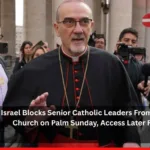



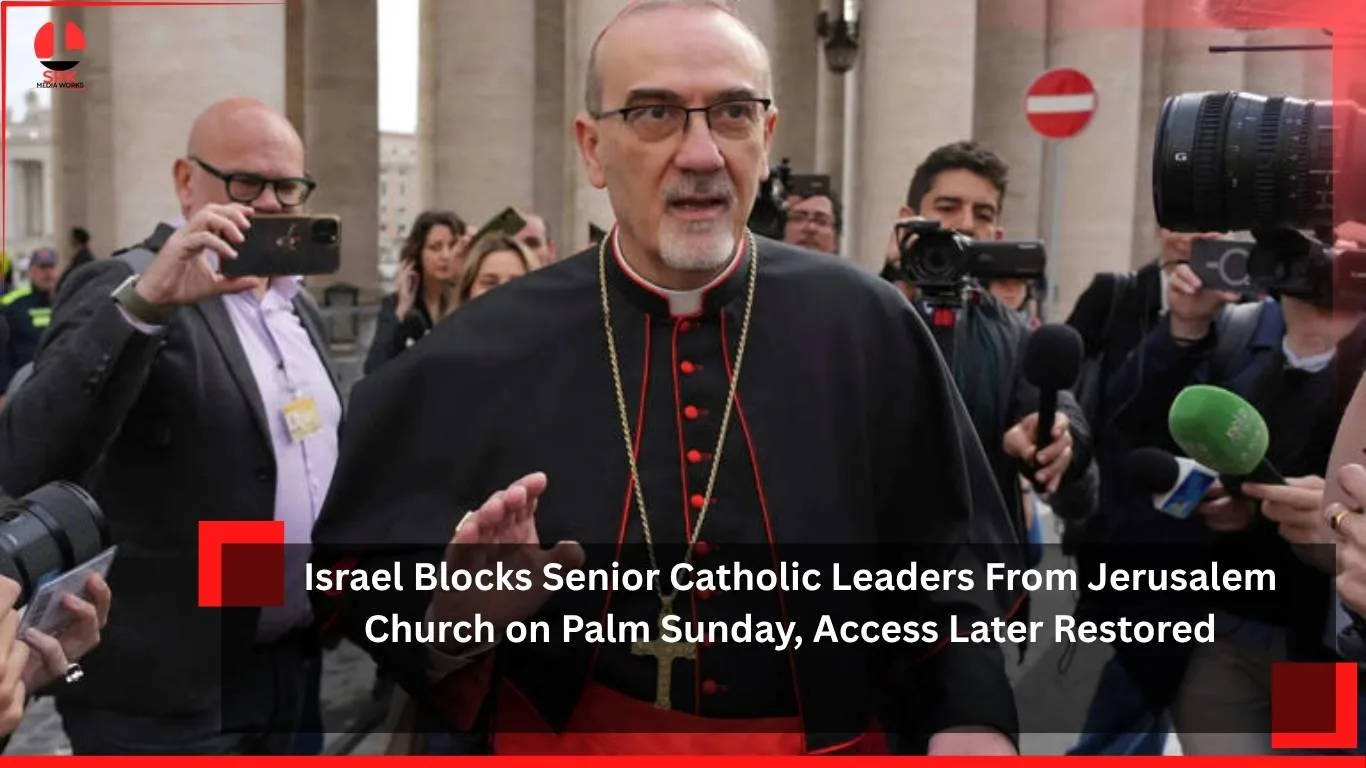
In a rare and controversial move, Israel temporarily blocked senior Catholic leaders from entering a historic church in Jerusalem during Palm Sunday celebrations, an incident described by religious authorities as the “first time in centuries.” The restriction sparked outrage among Christian communities worldwide, raising concerns about religious freedom in one of the most sacred cities. Access was later restored, but the episode has left lingering questions about governance, security, and interfaith relations in Jerusalem.
Background of the Incident
Palm Sunday marks the beginning of Holy Week for Christians, commemorating Jesus Christ’s entry into Jerusalem. Traditionally, senior Catholic leaders lead processions and prayers at key churches in the city. This year, however, reports emerged that clergy were denied entry into one of the central churches, disrupting centuries-old traditions.
Israeli authorities initially cited “security concerns” as the reason for the restriction. However, critics argue that the move undermined religious rights and set a troubling precedent.
Restoration of Access
Following widespread condemnation from church leaders, diplomats, and human rights organizations, access was restored later in the day. Senior Catholic clergy were eventually allowed to conduct Palm Sunday services, but the temporary blockade has already sparked debates about Israel’s handling of religious affairs in Jerusalem.
Political and Religious Reactions
Catholic Church
- Leaders condemned the restriction, calling it unprecedented and deeply disrespectful.
- Statements emphasized the importance of preserving religious traditions in Jerusalem.
Israeli Authorities
- Officials defended the move as a temporary measure for public safety.
- They stressed that access was restored promptly to avoid further escalation.
International Community
- Governments and religious organizations expressed concern over the incident.
- Calls were made for Israel to ensure freedom of worship for all faiths.
Comparative Analysis of Religious Access in Jerusalem
| Aspect | Normal Practice | Palm Sunday 2026 Incident | Impact |
|---|---|---|---|
| Access for Clergy | Guaranteed | Temporarily blocked | Outrage, disruption |
| Security Measures | Coordinated | Restrictive | Criticism of overreach |
| Religious Freedom | Respected | Questioned | Global concern |
| Diplomatic Response | Minimal | Strong international reaction | Pressure on Israel |
Stakeholder Perspectives
| Stakeholder Group | Reaction | Implications |
|---|---|---|
| Catholic Leaders | Condemnation | Demand for guarantees of access |
| Israeli Govt | Defense of security | Need to balance safety with rights |
| Citizens | Shock and anger | Heightened religious tensions |
| Analysts | Concern over precedent | Debate on governance in Jerusalem |
Pivot Analysis of Future Scenarios
| Scenario | Likelihood | Impact |
|---|---|---|
| Continued Restrictions | Moderate | Severe religious tensions |
| Policy Revisions | High | Stabilizing effect |
| Diplomatic Intervention | Moderate | Balanced resolution |
| Escalation of Protests | High | Regional instability |
Broader Implications
The incident underscores the delicate balance of religious coexistence in Jerusalem, a city sacred to Jews, Christians, and Muslims alike. Blocking access to Catholic leaders, even temporarily, risks undermining centuries of tradition and could strain Israel’s relations with global Christian communities.
It also raises questions about how security measures are implemented and whether they disproportionately affect certain groups. The restoration of access mitigated immediate tensions, but the episode may have lasting consequences for interfaith trust.
Challenges Ahead
- Maintaining Religious Freedom: Ensuring that worshippers of all faiths can access holy sites.
- Security Concerns: Balancing safety with respect for traditions.
- Diplomatic Sensitivity: Addressing international criticism without escalating tensions.
- Interfaith Relations: Preserving trust among diverse religious communities in Jerusalem.
Opportunities for Resolution
- Establishing clearer protocols for religious access during major events.
- Strengthening dialogue between religious leaders and Israeli authorities.
- Promoting international cooperation to safeguard holy sites.
- Enhancing transparency in security measures to build trust.
Conclusion
Israel’s temporary blockade of senior Catholic leaders from a Jerusalem church on Palm Sunday, described as the “first time in centuries,” has sparked global concern about religious freedom. Although access was later restored, the incident highlights the fragile balance of governance, security, and tradition in one of the world’s most sacred cities. Moving forward, ensuring respect for religious practices while maintaining public safety will be crucial to preserving Jerusalem’s role as a center of faith and coexistence.
Disclaimer
This article is based on public reports and statements regarding the Palm Sunday incident in Jerusalem. No independent verification of all claims has been provided at the time of writing. The content is intended for informational and analytical purposes only, not as verified fact. Readers are encouraged to follow official updates for accurate information.