







Public Health Officials Issue Urgent Alert
Public health authorities in Karnataka have issued an urgent alert following a significant spike in HIV/AIDS cases across the state, with recent data identifying male-to-male sexual contact as a primary driver of new infections. The surge, documented throughout the 2023-2024 reporting period, has prompted state health departments to recalibrate their prevention strategies and outreach programs to address shifting transmission dynamics among younger demographics.
Contextualizing the Shift in Transmission
For decades, HIV prevention efforts in India were largely centered on high-risk groups, including female sex workers and intravenous drug users. However, recent epidemiological data from the Karnataka State AIDS Prevention Society (KSAPS) indicates a departure from these traditional trends.
Health officials note that while traditional transmission routes remain a concern, there is a marked increase in infections among men who have sex with men (MSM). This shift suggests that current awareness campaigns may not be effectively reaching or influencing the behavior of younger, urban populations who operate outside traditional high-risk categories.
Analyzing the Epidemiological Data
The state has observed a rising trend in new HIV cases, particularly in urban hubs like Bengaluru, where lifestyle changes and increased social connectivity are intersecting with public health challenges. Experts point to a potential decline in the consistent use of barrier protection among younger adults as a contributing factor to the rapid spread.
According to epidemiological reports, the demographic profile of newly infected individuals is increasingly skewing younger. This trend suggests that a generation that grew up after the peak of global HIV awareness campaigns may be experiencing a ‘prevention fatigue’ or a lack of access to targeted sexual health education.
Expert Perspectives on Intervention
Public health experts emphasize that stigma remains the greatest barrier to curbing the spread. Dr. S. Ramesh, a consultant in infectious diseases, argues that medical interventions alone are insufficient without robust, non-judgmental counseling services.
‘We are seeing a communication gap,’ Dr. Ramesh stated. ‘When public health messaging fails to address the specific nuances of sexual health within the MSM community, we see these infection rates climb. We need to normalize testing and make PrEP (Pre-exposure prophylaxis) more accessible to those who are at the highest risk.’
Implications for Future Public Health Strategy
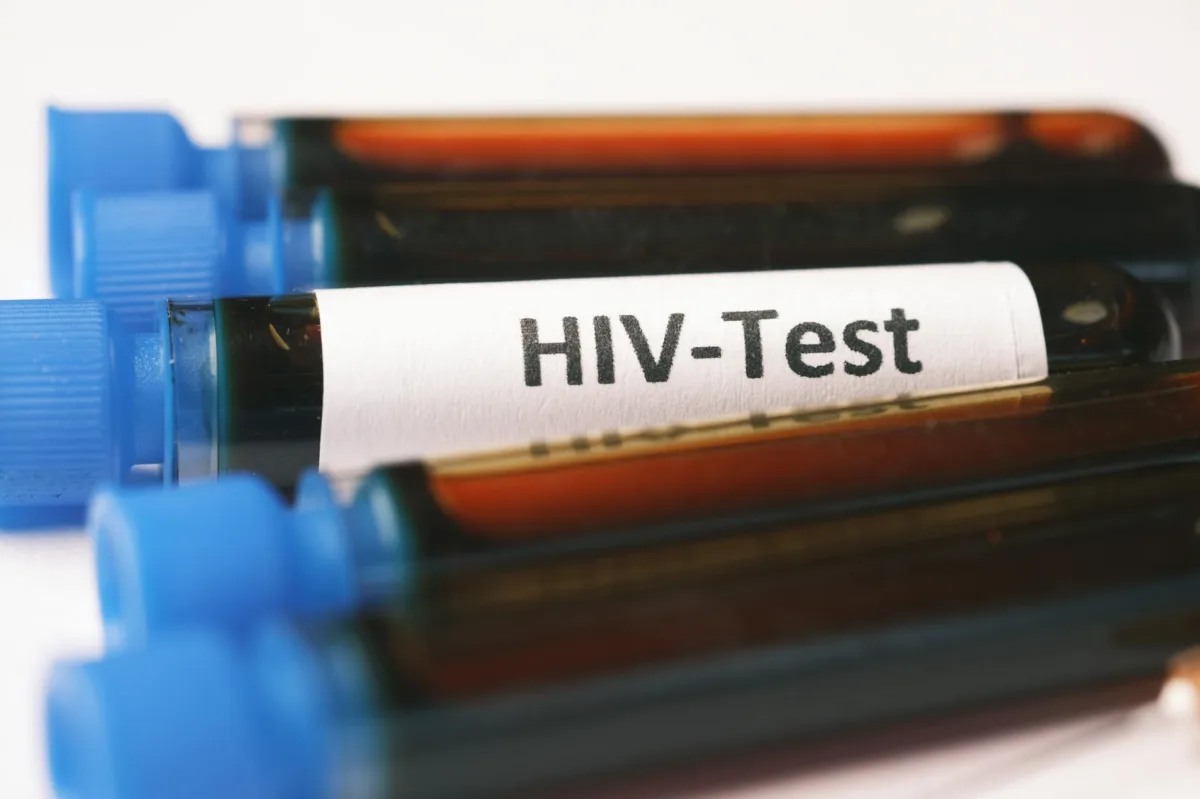
The rise in cases demands a shift toward more inclusive, digital-first health communication strategies that can bypass social stigmas. Health departments are now exploring partnerships with community-based organizations to provide discreet testing and counseling services.
As the situation develops, stakeholders will be monitoring whether the surge is a localized phenomenon or a broader indicator of shifting sexual health trends across Southern India. The effectiveness of upcoming awareness campaigns will be measured by the stabilization of infection rates in the next two fiscal quarters. Authorities are expected to increase funding for diagnostic testing centers and expand the availability of antiretroviral therapy (ART) to ensure that those who test positive can immediately begin life-saving treatment.