

The Persian Gulf has long been a theater of geopolitical tension, and recent developments around Kharg Island have reignited concerns about U.S. strategy in the region. Analysts warn that former President Donald Trump’s approach risks echoing the mistakes of Gallipoli—a historical military blunder that cost thousands of lives and reshaped global politics. The parallels between Kharg and Gallipoli highlight the dangers of miscalculation, overconfidence, and underestimating Iran’s strategic depth.
Kharg Island: Strategic Importance
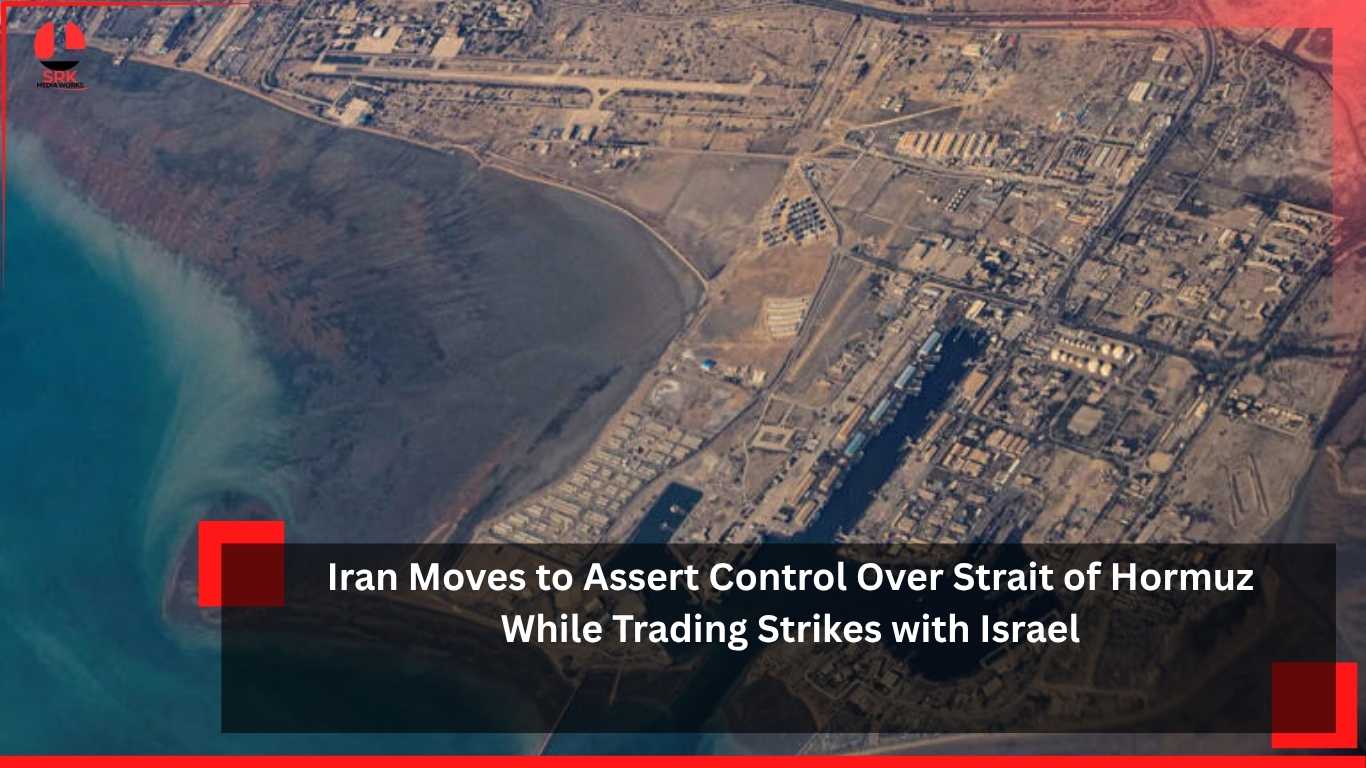
Kharg Island, located in the Persian Gulf, is Iran’s most important oil terminal. It handles the majority of the country’s crude exports and serves as a critical node in global energy supply chains. Any military confrontation involving Kharg would have immediate consequences for international oil markets and regional stability.
- Geographic Position: Close to shipping lanes in the Strait of Hormuz.
- Economic Role: Central hub for Iran’s oil exports.
- Military Vulnerability: Potential target in case of U.S. or allied strikes.
The Ghost of Gallipoli
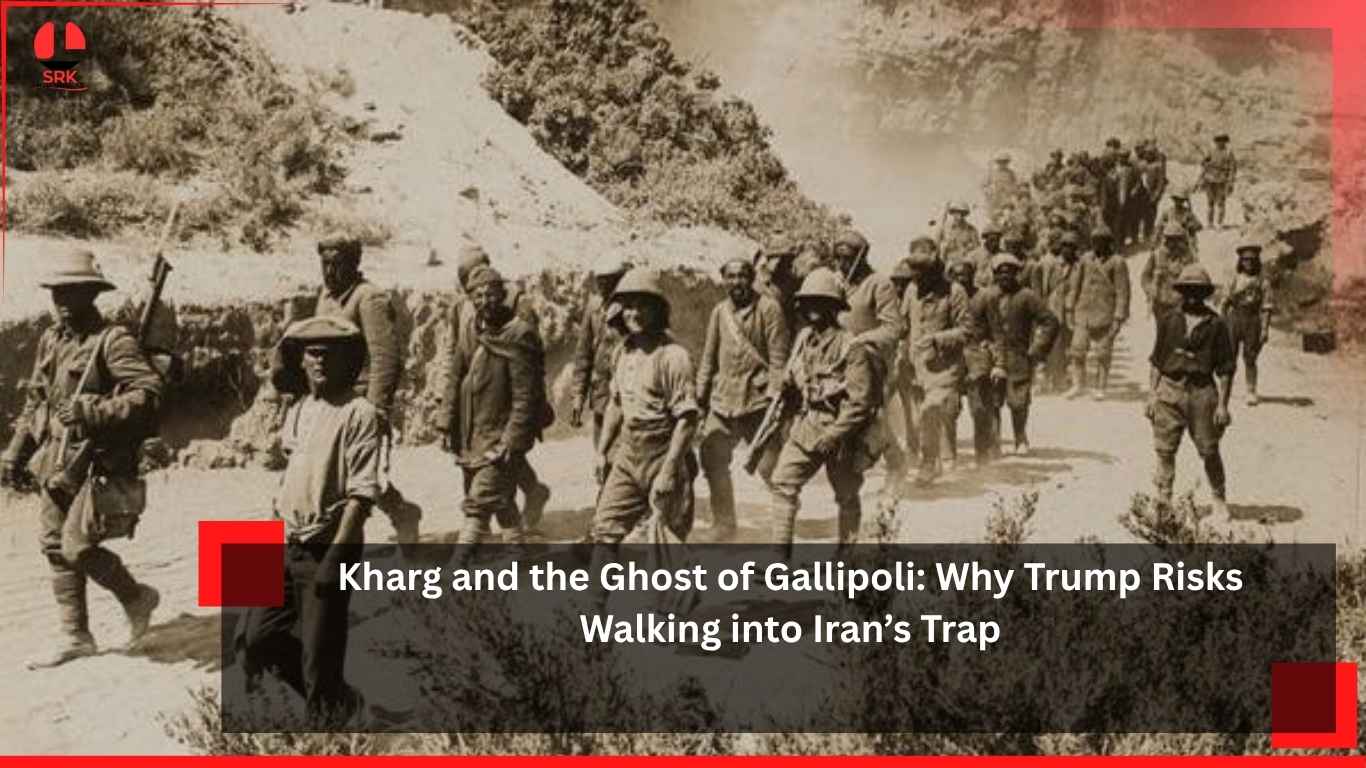
The Gallipoli campaign during World War I is remembered as a disastrous Allied attempt to secure the Dardanelles Strait. Poor planning, underestimation of the Ottoman defense, and logistical failures led to heavy casualties and strategic defeat. The campaign serves as a cautionary tale about the dangers of overextending military ambitions in hostile terrain.
Lessons from Gallipoli:
- Misjudging enemy resilience.
- Underestimating terrain and logistics.
- Political overconfidence leading to military disaster.
Why Analysts See Parallels
Trump’s rhetoric and potential military strategies toward Iran risk repeating Gallipoli-like mistakes. Iran’s asymmetric warfare capabilities, combined with its strategic geography, make direct confrontation perilous.
| Factor | Gallipoli (1915) | Kharg/Iran (Present) |
|---|---|---|
| Terrain | Narrow straits, fortified defenses | Strait of Hormuz, missile batteries |
| Enemy | Ottoman Empire | Iran’s Revolutionary Guard |
| Miscalculation | Underestimated resistance | Underestimating asymmetric tactics |
| Outcome | Heavy losses, failed campaign | Risk of escalation, global oil shock |
Iran’s Trap: Asymmetric Warfare
Iran has developed a sophisticated strategy to counter U.S. military superiority. This includes missile systems, naval mines, drones, and proxy forces across the Middle East. By drawing the U.S. into a confrontation near Kharg, Iran could exploit vulnerabilities and inflict disproportionate costs.
Iran’s Capabilities:
- Missiles: Precision strikes on oil infrastructure.
- Naval Mines: Threat to shipping lanes.
- Proxy Forces: Hezbollah, Houthis, and militias.
- Cyber Warfare: Disruption of energy and financial systems.
Trump’s Calculated Risks
Trump’s approach emphasizes maximum pressure on Iran, including sanctions and military posturing. However, analysts argue that escalation near Kharg could backfire, triggering a wider conflict and destabilizing global markets.
Potential Consequences:
- Oil prices skyrocketing.
- Regional allies caught in crossfire.
- Global economic slowdown.
- Diplomatic isolation for the U.S.
Pivot Analysis: Strategic Narratives
| Narrative | Focus | Implication |
|---|---|---|
| U.S. Strategy | Pressure, deterrence | Risk of escalation |
| Iran’s Strategy | Asymmetric defense | Trap for adversaries |
| Global Market | Oil stability | Vulnerable to disruption |
| Historical Parallel | Gallipoli lessons | Warning against miscalculation |
Regional Reactions
- Saudi Arabia & Gulf States: Concerned about oil infrastructure vulnerability.
- Israel: Supports U.S. pressure but wary of escalation.
- Europe: Calls for diplomacy to avoid energy crisis.
- China & Russia: Likely to exploit instability for strategic gain.
The Energy Dimension
Kharg’s importance lies not only in military terms but also in its role in global energy supply. Any disruption could send shockwaves through international markets.
| Scenario | Impact on Oil Prices |
|---|---|
| Limited skirmish | Moderate increase |
| Major strike on Kharg | Sharp spike, possible recession |
| Prolonged conflict | Severe global economic disruption |
Conclusion
The specter of Gallipoli looms large over U.S. strategy in the Persian Gulf. Trump’s potential confrontation with Iran near Kharg risks walking into a carefully laid trap. History warns that underestimating an adversary’s resilience and overconfidence in military superiority can lead to disaster. The stakes are not just regional but global, with energy markets, diplomacy, and security all hanging in the balance.
Disclaimer
This article is intended for informational and analytical purposes only. It does not represent the official stance of any government or institution. The content is based on historical parallels, geopolitical analysis, and public statements. Readers are encouraged to explore multiple perspectives for a comprehensive understanding of the issue.