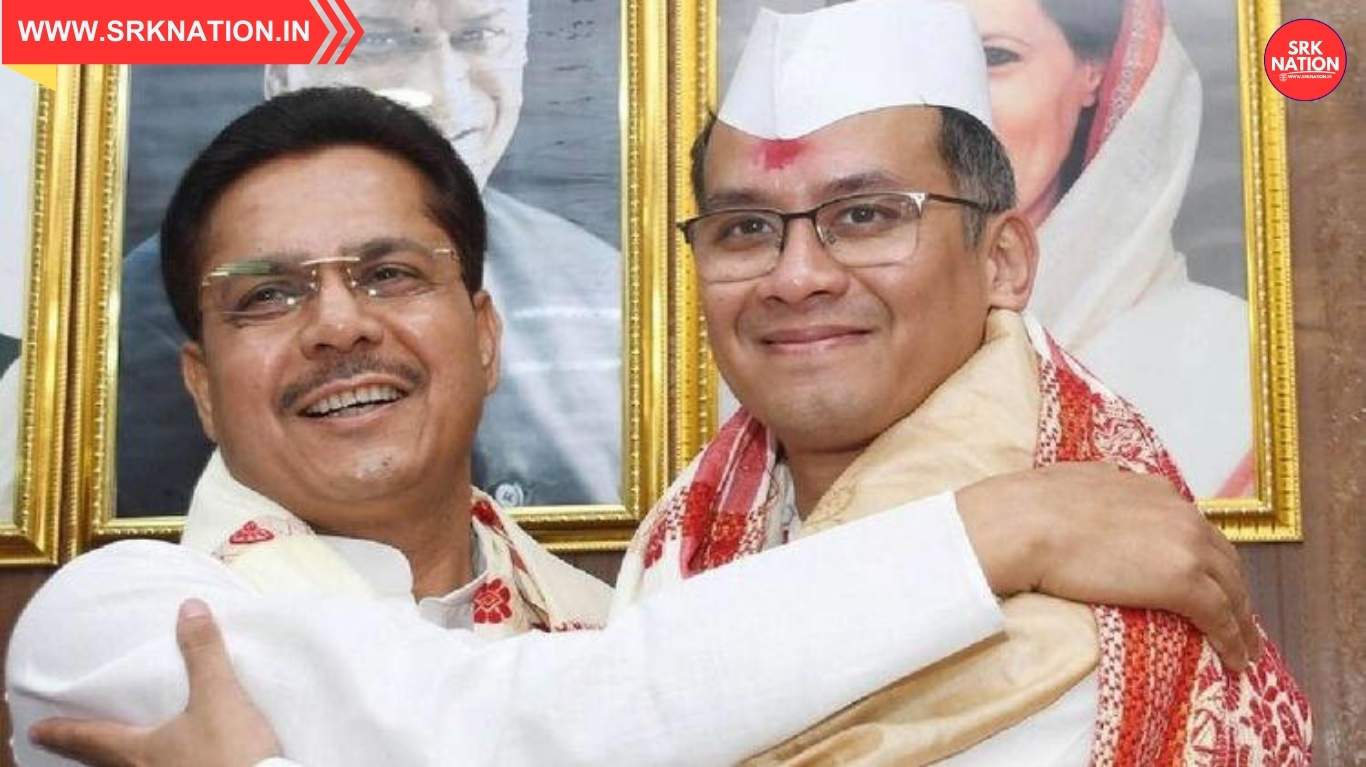



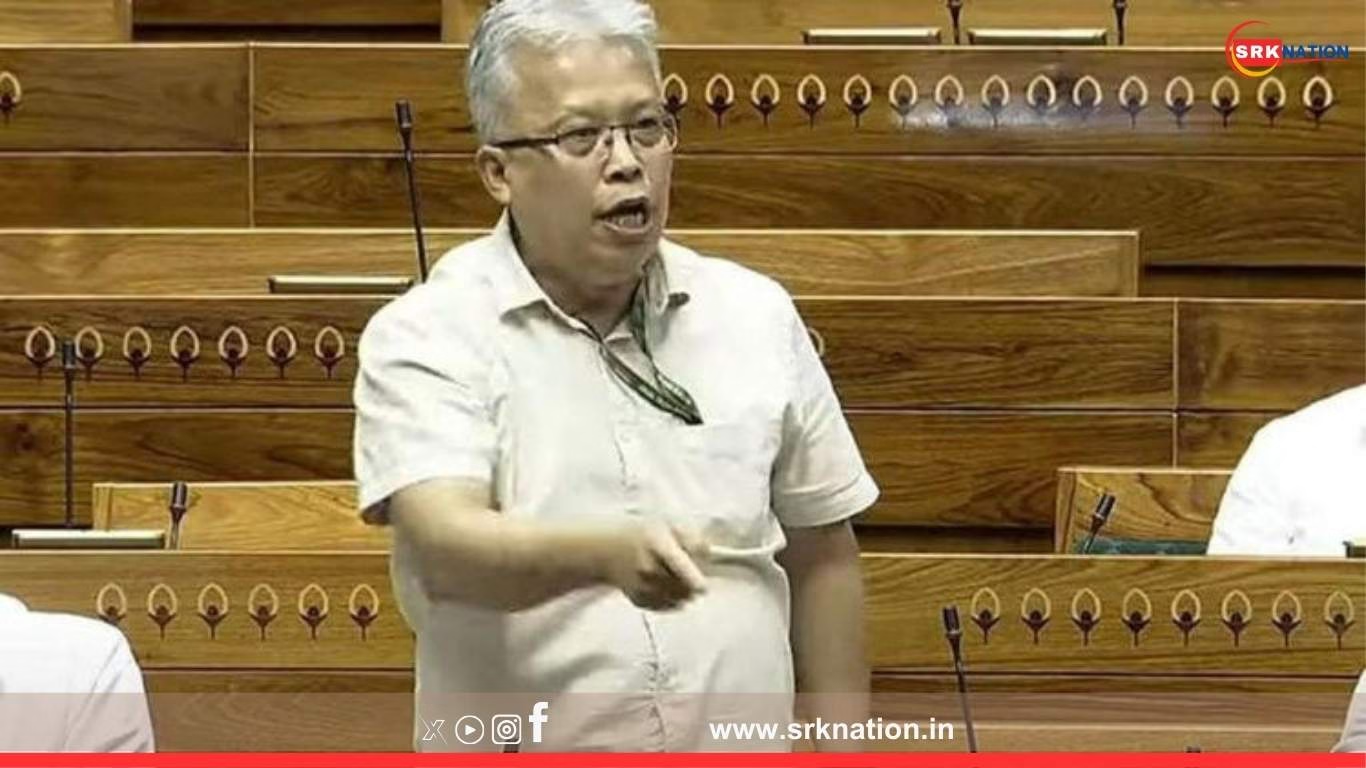
A political and cultural debate has erupted in the Northeast after Manipur Congress MP Bimol Akoijam publicly praised Prime Minister Narendra Modi for acknowledging the sudden demise of Assamese singer Zubeen Garg, while simultaneously questioning the Prime Minister’s silence on the passing of Manipuri theatre legend Oja Ratan Thiyam. The MP’s remarks, posted on social media platform X, have sparked widespread discussion on the recognition of cultural icons from India’s Northeast and the perceived imbalance in national tributes.
Akoijam’s post came shortly after PM Modi expressed condolences over Zubeen Garg’s death, calling him “an iconic voice from the Northeast” and lauding his contribution to Indian music. While the gesture was welcomed across Assam and beyond, Akoijam pointed out a glaring omission: the lack of any official statement or tribute from the Prime Minister following the death of Ratan Thiyam, one of India’s most celebrated playwrights and theatre directors.
“It’s good that the PM at least acknowledged one of our iconic singers from India’s Northeast. But remember, when one of the greatest playwrights and theatre directors Oja Ratan Thiyam passed away, what did you do then? A contemptuous silence!” Akoijam wrote, triggering a wave of reactions from artists, intellectuals, and political observers.
Thiyam, a Padma Shri awardee and Sangeet Natak Akademi fellow, was internationally recognized for revolutionizing Indian theatre. His work blended traditional Manipuri performing arts with modern dramaturgy, earning accolades such as France’s La Grande Medaille (1997) and the Fringe First Award at the Edinburgh International Festival (1987). He also served as Director and Chairman of the National School of Drama, shaping generations of Indian theatre practitioners.
Cultural Contributions of Ratan Thiyam vs Zubeen Garg
| Name | Field | Major Awards & Recognition | National Acknowledgement |
|---|---|---|---|
| Ratan Thiyam | Theatre & Drama | Padma Shri, Sangeet Natak Akademi, La Grande Medaille, Fringe First Award | No PM tribute |
| Zubeen Garg | Music | Multiple regional awards, popular playback singer | PM tribute acknowledged |
Akoijam’s critique extended beyond cultural recognition. He also questioned why PM Modi, during his recent visit to Kangla Fort in Manipur, did not acknowledge or meet key state dignitaries, including the Speaker of the State Assembly and former Chief Minister. “When such a cultural icon expired, you didn’t utter a word of condolences. Why? Because he’s a Manipuri, someone who belongs to the Meitei community?” Akoijam asked, suggesting a deeper issue of regional and ethnic bias in national politics.
The MP’s comments have ignited a broader conversation about equitable representation of Northeast India in national narratives. While Zubeen Garg’s tribute was seen as a welcome gesture, many believe that the contributions of other cultural stalwarts like Ratan Thiyam deserve equal, if not greater, recognition.
Artists and cultural activists from Manipur have echoed Akoijam’s sentiments. “Ratan Thiyam was not just a Manipuri icon—he was a national treasure. His silence from the highest office is disappointing,” said Leishangthem Priyobrata, a theatre director from Imphal. Others have called for institutional reforms to ensure that tributes and recognitions are not limited by geography or community.
Public Reaction to PM Modi’s Cultural Tributes
| Category | Reaction Summary |
|---|---|
| Assam (Zubeen Garg) | Welcomed PM’s tribute, praised national recognition |
| Manipur (Ratan Thiyam) | Disappointed by silence, called for equal treatment |
| Cultural Institutions | Mixed response, urged broader inclusion |
| Political Analysts | Viewed Akoijam’s remarks as strategic and timely |
The Prime Minister’s Office has not responded to Akoijam’s comments, but BJP leaders in the Northeast have defended the government’s record on cultural outreach. “PM Modi has consistently promoted Northeast culture through events, infrastructure, and tourism. One missed tribute does not negate years of effort,” said a BJP spokesperson from Guwahati.
However, critics argue that symbolic gestures matter, especially in regions that have historically felt marginalized. “Recognition is not just about policy—it’s about respect. When a cultural icon dies, silence speaks volumes,” said Dr. R.K. Singh, a sociologist specializing in Northeast studies.
The controversy also comes amid heightened political activity in Manipur, where ethnic tensions and governance challenges have dominated headlines. Akoijam’s remarks, while focused on cultural recognition, are seen by many as part of a larger narrative challenging the Centre’s engagement with the Northeast.
Recent Cultural Losses in Northeast India – National Response
| Personality | State | Field | Date of Passing | PM Tribute |
|---|---|---|---|---|
| Zubeen Garg | Assam | Music | Sep 2025 | Yes |
| Ratan Thiyam | Manipur | Theatre & Drama | Aug 2025 | No |
| Bhupen Hazarika | Assam | Music & Literature | Nov 2011 | Yes |
| Sanjoy Ghose | Assam | Social Activism | Jul 1997 | No |
As the debate continues, many are calling for a more structured approach to national tributes—one that includes inputs from cultural bodies, regional governments, and civil society. “We need a cultural protocol that ensures no icon is forgotten, regardless of where they come from,” suggested Dr. Anjali Devi, a policy researcher.
For now, Bimol Akoijam’s post has done more than question a missed tribute—it has reignited a conversation about visibility, respect, and the role of culture in national unity. Whether the Centre responds or not, the Northeast is watching.
Disclaimer: This article is based on publicly available statements, media reports, and cultural records. It does not reflect any political stance or endorsement. All quotes are attributed to public figures as per coverage. The content is intended for editorial and informational purposes only.