








Market Turbulence Grips Indian Equities
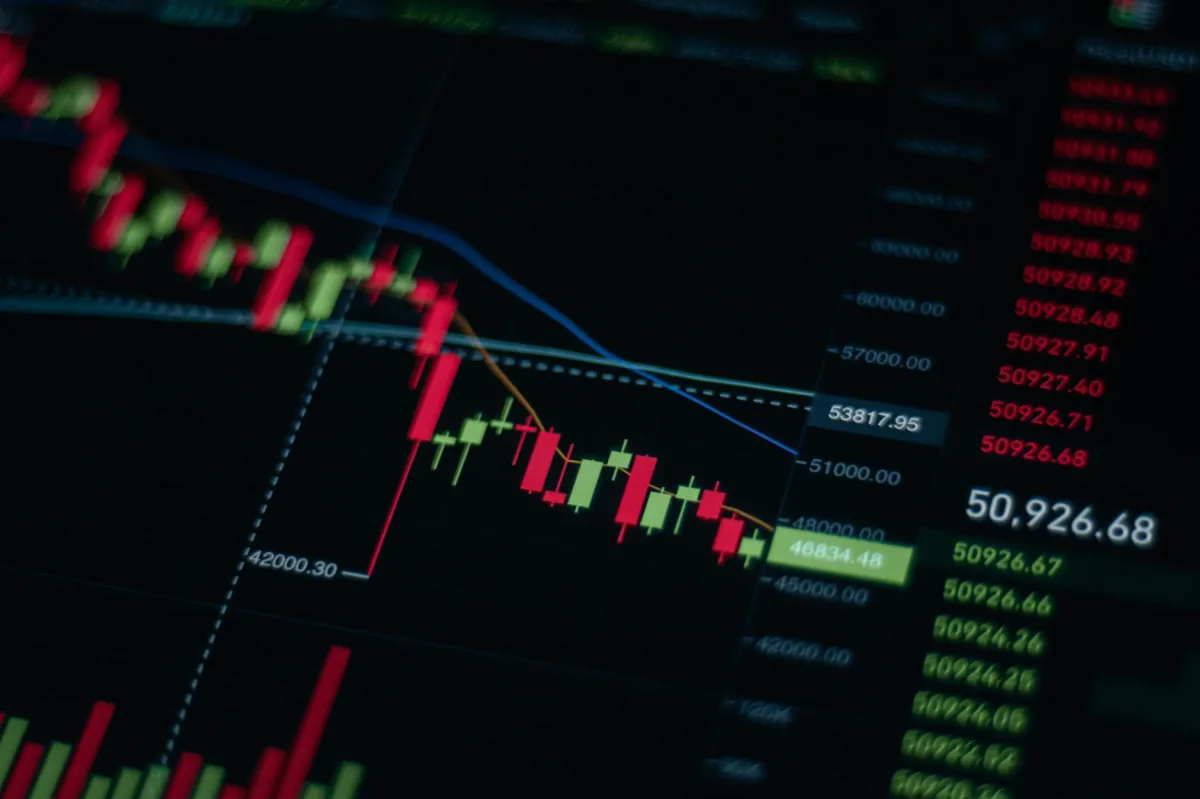
Indian stock markets faced a significant downturn on Tuesday, with the benchmark Nifty 50 and BSE Sensex indices shedding over 1% as geopolitical instability in West Asia and a global tech sell-off triggered widespread investor panic. The National Stock Exchange (NSE) reported that 82 prominent companies, including industry giants such as Reliance Industries, Tata Consultancy Services (TCS), Wipro, and Rail Vikas Nigam Ltd (RVNL), plummeted to their 52-week lows during the trading session. The collective market capitalization of BSE-listed firms evaporated by approximately Rs 5 lakh crore as selling pressure intensified across multiple sectors.
The Context of Global Market Correction
The sudden decline in Indian equities mirrors a broader global trend of risk aversion. Financial markets worldwide have reacted sharply to escalating tensions in the Middle East, particularly following reports that Iran launched missiles toward Israel. This geopolitical friction has combined with a technical correction in the Nasdaq, which has historically influenced investor sentiment toward global technology stocks. In India, foreign institutional investors (FIIs) have been recalibrating their portfolios, moving away from high-valuation assets toward safer havens, contributing to the sharp decline in large-cap stocks.
Analyzing the Sectoral Impact
The sell-off was broad-based, affecting both defensive and cyclical sectors. Reliance Industries, the nation’s largest company by market value, struggled alongside IT stalwarts like TCS and Wipro, which are already grappling with concerns over slowing demand in Western markets. The inclusion of RVNL in the list of 52-week lows highlights how even government-backed infrastructure plays—previously considered high-growth favorites—are not immune to the current market malaise. Analysts point out that the volume of stocks hitting yearly lows suggests that the decline is driven by structural liquidation rather than isolated profit-taking.
Expert Perspectives on Market Stability
Market analysts suggest that the current volatility is a direct response to the ‘fear gauge’ rising globally. According to data from major brokerage houses, the VIX (Volatility Index) has spiked, signaling that traders are bracing for further turbulence. While valuations in certain segments of the Indian market have been historically high, the current correction is viewed by some as a necessary cooling-off period. However, the sheer scale of wealth erosion indicates that institutional sentiment remains fragile in the face of unpredictable global events.
Implications for Investors and Future Trends
For retail investors, the current market environment underscores the importance of portfolio diversification and defensive positioning. The primary challenge remains the unpredictability of West Asian geopolitical developments, which could lead to further spikes in global oil prices and inflation. Looking ahead, market participants will be closely monitoring the upcoming quarterly earnings season, which will provide a clearer picture of corporate resilience against these macroeconomic headwinds. Investors should also watch for potential central bank interventions and shifts in foreign capital flows that could stabilize the indices in the coming weeks.