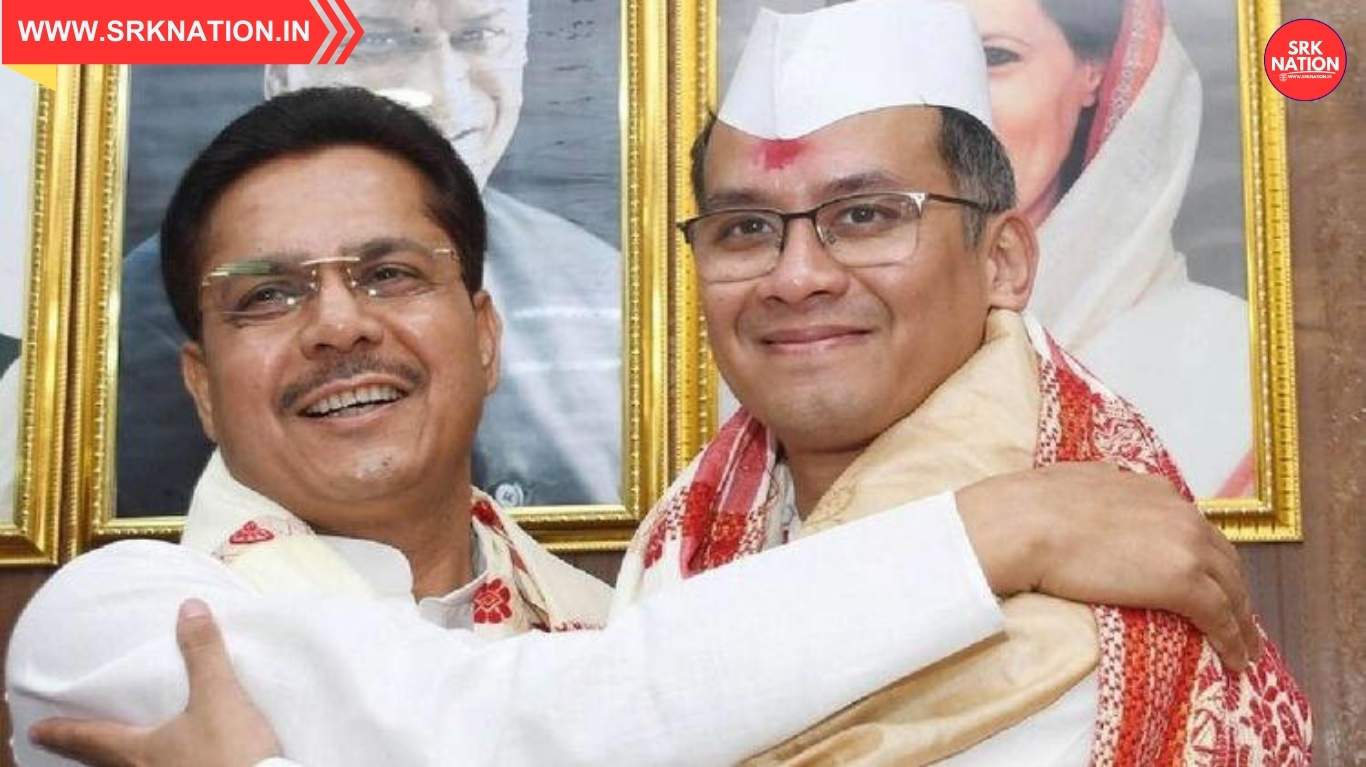




Meghalaya marked a historic milestone as the state’s first Eklavya Model Residential School (EMRS) officially opened its doors to students, ushering in a new era of educational empowerment for tribal communities. Chief Minister Conrad K. Sangma, who inaugurated the school, emphasized that the institution represents not just infrastructure development but a transformational opportunity for young learners across the state’s remote regions.
The launch of the EMRS is part of a broader national initiative to strengthen educational access for tribal children by providing high‑quality residential schooling, modern facilities, and holistic development opportunities. For Meghalaya—where many students still travel long distances for basic education—the school symbolizes hope, equity, and long‑term social upliftment.
During the inauguration, Sangma highlighted that the school is designed to nurture talent, bridge learning gaps, and create pathways for tribal youth to excel in academics, sports, and extracurricular fields. He reiterated that education remains the most powerful tool for empowerment, and the EMRS model is a crucial step toward ensuring that every child, regardless of geography, receives equal access to quality learning.
🌱 A New Chapter for Tribal Education in Meghalaya
The newly inaugurated EMRS is equipped with modern classrooms, digital learning tools, science laboratories, sports facilities, and residential hostels. It aims to provide a comprehensive learning environment for students from Class 6 to Class 12.
Key objectives of the school include:
- Enhancing access to quality education for tribal students
- Reducing dropout rates in remote and rural areas
- Providing free residential schooling with meals, uniforms, and study materials
- Encouraging academic excellence and competitive exam preparation
- Promoting sports, arts, and cultural development
The school will follow a CBSE‑aligned curriculum, ensuring that students receive nationally benchmarked education while staying connected to their cultural roots.
🏫 Why the EMRS Model Matters for Meghalaya
Meghalaya’s hilly terrain and scattered settlements often make schooling inaccessible for many children. The EMRS model addresses these challenges by offering fully residential, high‑quality education at no cost.
Benefits for the state:
- Reduces educational inequality
- Supports tribal communities with limited resources
- Encourages girls’ education through safe residential facilities
- Strengthens human capital development
- Enhances literacy and skill‑building outcomes
The school is expected to become a model institution for other districts, inspiring further investment in tribal education.
📊 Statistical Overview: Meghalaya’s First EMRS
| Category | Details |
|---|---|
| School Type | Eklavya Model Residential School |
| Target Group | Tribal students (Class 6–12) |
| Facilities | Hostels, labs, digital classrooms, sports complex |
| Curriculum | CBSE‑aligned |
| Objective | Quality education + holistic development |
| Location | Meghalaya (first EMRS in the state) |
🔍 Impact of the EMRS on Meghalaya’s Education Landscape
| Factor | Impact on Students | Impact on Communities | Impact on State Development |
|---|---|---|---|
| Access to Education | Removes geographical barriers | Encourages schooling culture | Higher literacy rates |
| Residential Facilities | Safe, structured environment | Reduces financial burden | Better learning outcomes |
| Modern Infrastructure | Enhances learning experience | Builds community pride | Attracts further investment |
| Holistic Development | Sports, arts, leadership skills | Youth empowerment | Stronger workforce |
| Long‑Term Opportunities | Competitive exam readiness | Social mobility | Inclusive growth |
🌄 Conrad Sangma’s Message: Opportunity as the Foundation of Growth
During the inauguration, Chief Minister Conrad Sangma emphasized that the EMRS is not just a school—it is a gateway to opportunity. He highlighted that many children in remote areas lack access to quality education due to geographical and economic constraints. The EMRS model, he said, ensures that no child is left behind.
Sangma also noted that the government is committed to expanding educational infrastructure across Meghalaya, with more EMRS institutions planned for other districts. He stressed that education is the cornerstone of development and that investing in children today will shape the state’s future.
🧒 How Students Will Benefit from the EMRS Experience
1. Free Residential Education
Students receive free lodging, meals, uniforms, and study materials—removing financial barriers.
2. Exposure to Modern Learning Tools
Smart classrooms, digital labs, and interactive teaching methods enhance learning outcomes.
3. Focus on Sports and Extracurriculars
The school includes facilities for athletics, football, basketball, and indigenous sports.
4. Cultural Preservation
Students learn about their tribal heritage through dedicated cultural programs.
5. Career Guidance and Skill Development
Workshops, mentorship programs, and competitive exam coaching prepare students for future opportunities.
🏞️ Why This School Is a Turning Point for Rural Meghalaya
Many villages in Meghalaya face challenges such as:
- Limited access to secondary schools
- Poor road connectivity
- High dropout rates
- Lack of trained teachers
The EMRS model directly addresses these issues by providing:
- A centralized residential campus
- Qualified teachers and staff
- Structured academic and extracurricular programs
- A safe environment for girls and boys
This school is expected to significantly reduce dropout rates and improve academic performance among tribal students.
🧭 Long‑Term Vision: More EMRS Schools Across Meghalaya
The state government has announced plans to establish additional EMRS institutions in other districts. These schools will collectively:
- Strengthen tribal education
- Improve literacy and skill levels
- Create a pipeline of educated youth ready for higher education and employment
- Support Meghalaya’s long‑term development goals
The EMRS initiative aligns with national efforts to uplift tribal communities through targeted educational interventions.
🧩 Challenges Ahead and the Road Forward
While the inauguration marks a major achievement, several challenges remain:
- Ensuring consistent teacher availability
- Maintaining high‑quality infrastructure
- Providing continuous training for staff
- Monitoring student progress
- Scaling the model across remote districts
The government’s commitment to addressing these challenges will determine the long‑term success of the EMRS program.
📝 Conclusion
The inauguration of Meghalaya’s first Eklavya Model Residential School marks a transformative moment for the state’s education sector. As students step into modern classrooms and residential facilities, they carry with them the promise of a brighter future—one built on opportunity, empowerment, and equal access to quality learning.
Chief Minister Conrad Sangma’s message underscores the importance of creating pathways for tribal youth to thrive. With the EMRS model now taking root in Meghalaya, the state is poised to make significant strides in educational equity, social development, and long‑term human capital growth.
🛡️ Disclaimer
This article is based on publicly available information, government statements, and verified reports. It is intended solely for informational and editorial purposes, offering insights into Meghalaya’s first Eklavya school inauguration and its impact on tribal education and state development.