




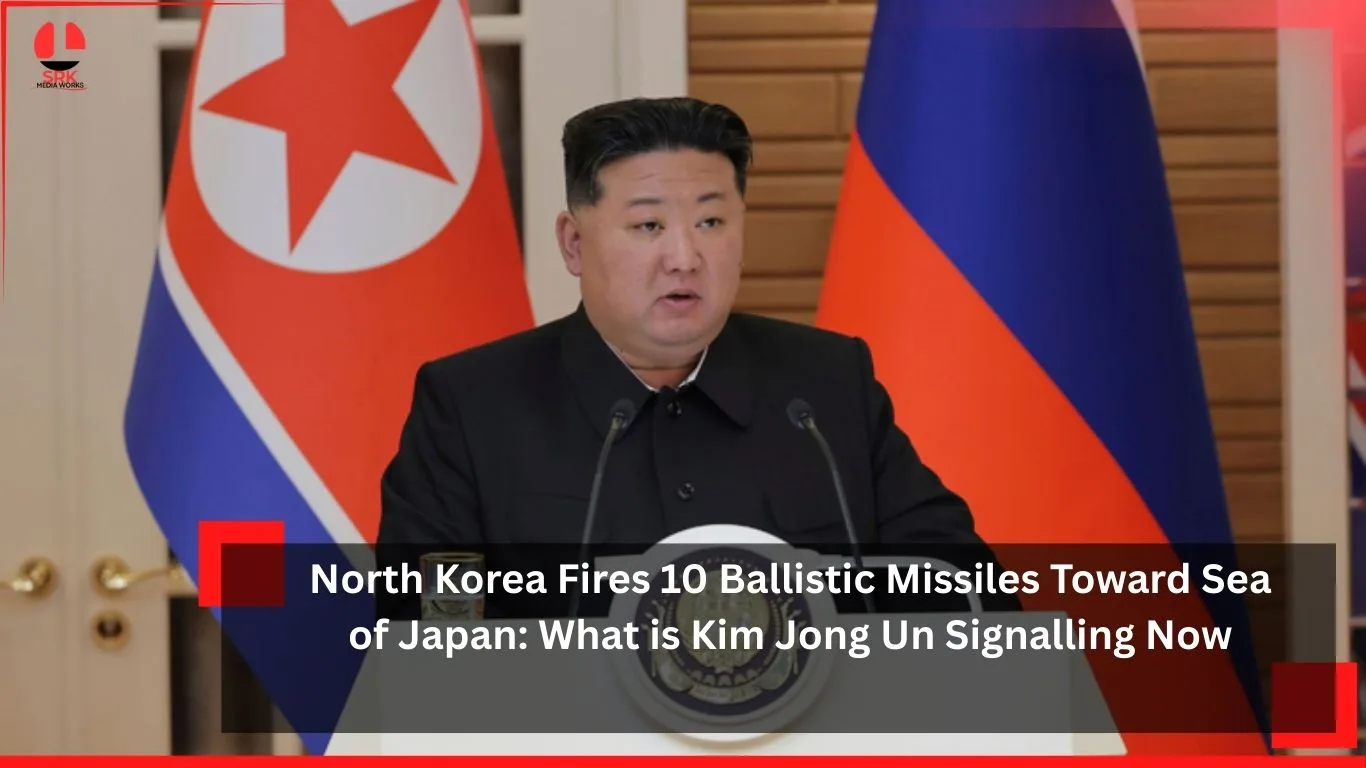
North Korea has once again escalated tensions in East Asia by firing 10 ballistic missiles toward the Sea of Japan. This latest show of military strength has raised alarm across the region and beyond, with analysts debating what message Kim Jong Un is attempting to send through such a dramatic display. The incident underscores the fragile security environment in Northeast Asia and the broader implications for global peace and stability.
Background of the Missile Launch
The launch of 10 ballistic missiles is one of the largest single-day tests conducted by North Korea in recent years.
- Scale of Launch: Ten missiles fired in succession demonstrate significant operational capability.
- Target Area: The Sea of Japan remains the primary zone for North Korean missile tests, symbolizing a direct challenge to Japan and South Korea.
- Timing: The launch coincides with heightened military exercises by the US and South Korea, suggesting a retaliatory motive.
What Kim Jong Un May Be Signalling
Analysts believe Kim Jong Un’s actions are not random but carefully calculated.
- Domestic Strength: Demonstrating military power to reinforce his leadership at home.
- International Defiance: Sending a message to the US and its allies that sanctions and pressure will not deter North Korea’s weapons program.
- Negotiation Leverage: Using missile tests as bargaining chips in future diplomatic talks.
- Regional Warning: Reminding Japan and South Korea of North Korea’s ability to strike quickly.
Comparative Analysis of Stakeholder Reactions
| Stakeholder | Reaction to Missile Launch | Key Concerns |
|---|---|---|
| United States | Condemnation, calls for restraint | Threat to allies, nuclear escalation |
| South Korea | Heightened military alert | National security, civilian safety |
| Japan | Strong protest, defense readiness | Risk to territory, missile defense |
| China | Calls for dialogue | Regional stability, avoiding escalation |
| North Korea | Justification as self-defense | Sovereignty, deterrence against US-South Korea drills |
Historical Context of North Korean Missile Tests
North Korea has a long history of missile launches, often timed to coincide with international events.
- 1990s: Initial missile tests shocked the world, revealing North Korea’s ambitions.
- 2006 Onwards: Nuclear tests combined with missile launches intensified global concern.
- Recent Years: Increased frequency of launches, showcasing advancements in missile technology.
Pivot Analysis of Strategic Approaches
| Strategy Focus | North Korea’s Approach | Global Community’s Approach |
|---|---|---|
| Military Power | Demonstrate capability through missile launches | Strengthen defense alliances and deterrence |
| Diplomacy | Use tests as leverage in negotiations | Push for sanctions and dialogue simultaneously |
| Security | Justify launches as self-defense | Maintain regional stability and prevent escalation |
| Economic Impact | Ignore sanctions, focus on military | Impose stricter sanctions to limit funding |
Regional Security Implications
The launch of 10 missiles is not just a symbolic act—it has real consequences for regional security.
- South Korea: Increased military readiness and joint drills with the US.
- Japan: Strengthening missile defense systems and considering constitutional changes for military expansion.
- China and Russia: Balancing support for North Korea with calls for restraint to avoid destabilization.
Global Economic Concerns
Missile launches in East Asia often ripple into global markets.
- Oil Prices: Rising tensions can lead to spikes in energy costs.
- Stock Markets: Investors react to geopolitical instability with caution.
- Defense Industry: Increased demand for missile defense systems boosts defense sector stocks.
Public Perception
Citizens in Japan and South Korea express growing anxiety over North Korea’s actions.
- Fear of Escalation: Concerns about potential conflict disrupting daily life.
- Calls for Stronger Defense: Public opinion increasingly supports enhanced military readiness.
- International Solidarity: Many citizens call for stronger alliances with the US and other partners.
Conclusion
North Korea’s firing of 10 ballistic missiles toward the Sea of Japan is a clear signal from Kim Jong Un that the regime will continue to assert its military power despite international pressure. The act serves multiple purposes: reinforcing domestic authority, challenging regional adversaries, and positioning North Korea strategically in future negotiations.
The incident highlights the delicate balance of power in East Asia, where every missile launch has the potential to reshape diplomatic and security dynamics. The global community now faces the challenge of responding firmly while avoiding escalation into open conflict.
Disclaimer
This article is based on publicly available information and expert analysis. It does not confirm the accuracy of military claims or endorse any political position. Readers are encouraged to follow official government statements and international reports for verified updates.